
A front door that sticks, a key that turns too easily, or a lock damaged during a break-in should not wait for a convenient time. Security locks give Twin Cities homeowners, renters, property managers, and business owners a practical way to regain control of who can enter a property. The right choice depends on the door, the location, the people who need access, and what happened before you called.
A locksmith can help when the problem is urgent, but planned upgrades matter too. Replacing weak or worn hardware before it fails can prevent a late-night lockout, reduce the risk of forced entry, and make everyday access easier for the people who belong there.
When Security Locks Need Immediate Attention
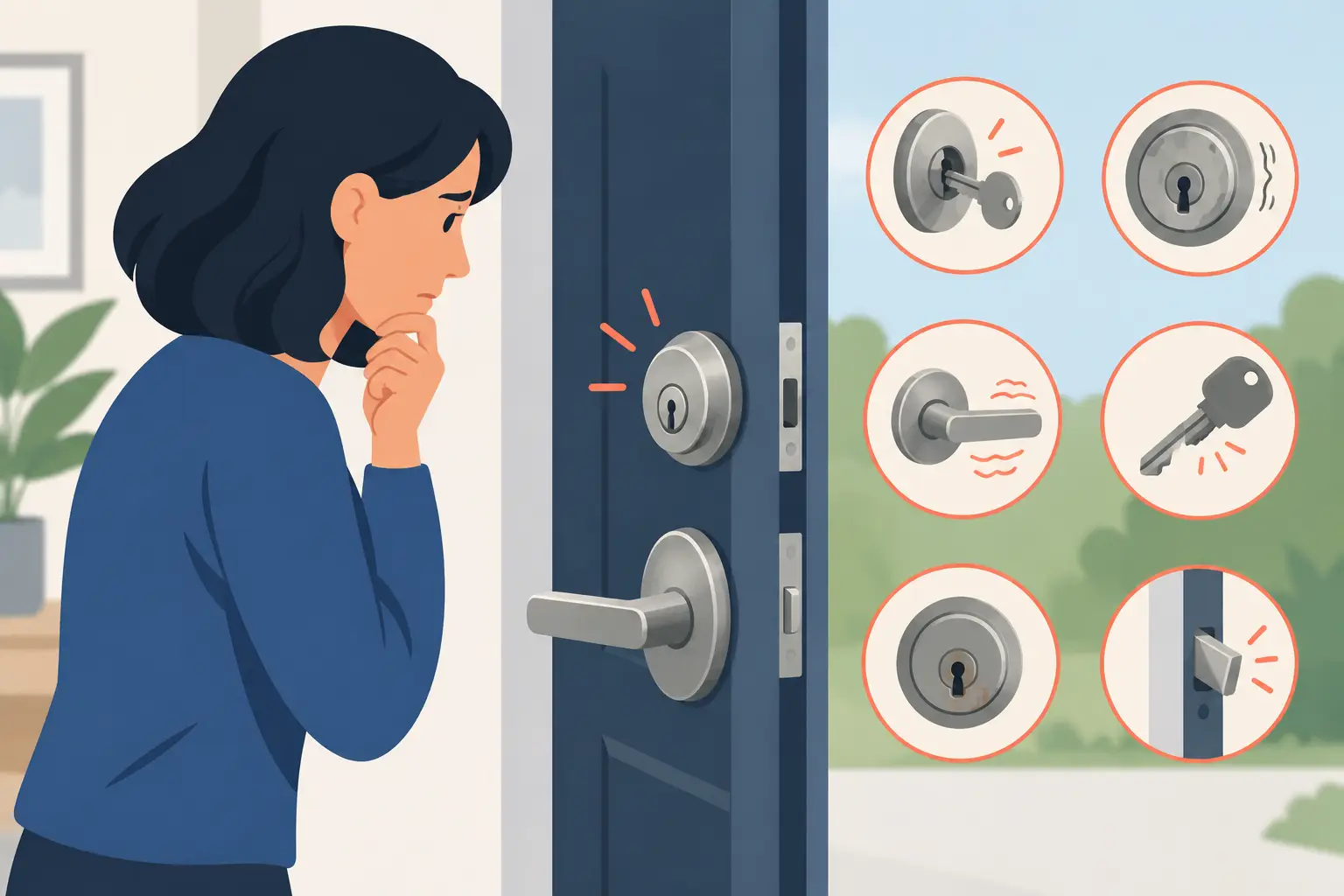
Some lock problems are clear emergencies. If a key was stolen, a former tenant still has a copy, or someone forced a door open, the lock may no longer provide the protection you expect. Rekeying or replacing the lock right away is often the fastest way to restore peace of mind.
Damage is another reason to act quickly. A deadbolt that will not latch, a loose strike plate, a cylinder that spins, or a door that no longer closes tightly can leave a home or business exposed. Trying to force a damaged lock can make the repair more expensive and may leave you locked out entirely.
For businesses, an employee departure, lost office key, or misplaced master key can create a bigger access problem than it first appears. The concern is not only one door. It is every space that key can reach, including offices, storage rooms, supply areas, and exterior entrances.
Choose Security Locks for the Door, Not the Display
A lock is only as useful as the door and frame supporting it. A high-quality deadbolt on a weak door frame may still be defeated if the strike plate is held by short screws or the surrounding wood is damaged. This is why a professional assessment looks beyond the lock itself.
For most exterior residential doors, a properly installed deadbolt remains one of the most practical upgrades. It adds a separate locking point beyond the knob or handle and gives the door more resistance against common forced-entry attempts. A reinforced strike plate and longer screws driven into the wall framing can improve the result without changing the appearance of the door.
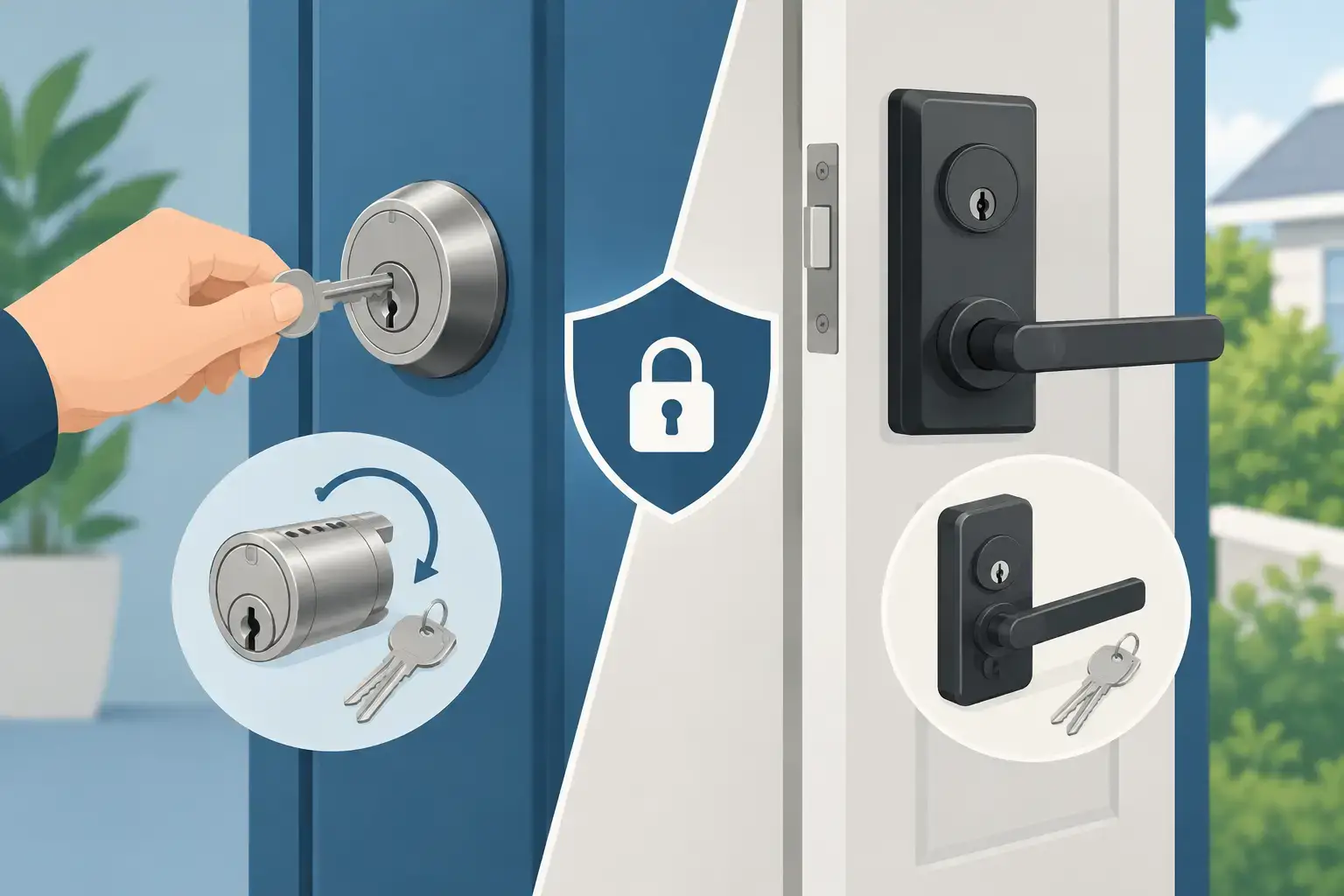
Single-cylinder deadbolts use a key on the outside and a thumb turn inside. They are common because residents can exit quickly without searching for a key. Double-cylinder deadbolts require a key from both sides. They may be appropriate in specific situations, but they can create a safety concern if a key is not immediately available during an emergency. Local code requirements and the door’s location should guide that decision.
For a commercial storefront, office, or multifamily property, the right answer may be a commercial-grade deadbolt, lever lock, mortise lock, or panic hardware. Commercial doors experience heavier use, and they often require hardware designed for frequent traffic, employee access, and code compliance. A residential lock is not always built for that workload.
Grade Ratings Matter, but Installation Matters Too
Many mechanical locks carry ANSI/BHMA grades that help indicate their expected strength and durability. Grade 1 hardware is generally intended for the most demanding use, while Grade 2 can be a strong choice for many homes and light commercial settings. Grade 3 locks are commonly found on basic residential doors and may be suitable for low-risk interior applications.
The grade is useful, but it is not the whole decision. The wrong backset, poorly aligned bolt, loose screws, or an improperly prepared door can weaken even a better lock. A technician should make sure the bolt extends fully into the strike and the door closes without forcing it.
Mechanical, Smart, and High-Security Lock Options
Traditional keyed locks remain a dependable choice for many properties. They do not depend on batteries, apps, Wi-Fi, or a phone signal. They are also straightforward to rekey after a move, staff change, or lost key. For homeowners who want a familiar solution with fewer electronics, a quality mechanical deadbolt is often the right fit.
Smart locks add convenience when managed carefully. Keypad entry can eliminate the need to hand out physical keys to family members, cleaners, contractors, or short-term guests. Some systems allow temporary codes, activity records, and remote control. That can be especially useful for rental owners and busy households.
The trade-off is maintenance. Batteries need replacement, codes need to be removed when access changes, and not every smart lock works equally well with every door. A smart lock should still allow reliable physical entry if its power fails or the electronics malfunction. It should also be installed with the same attention to door alignment as any mechanical lock.
High-security locks are built to provide added resistance to picking, drilling, bumping, and unauthorized key duplication. They can make sense for properties with valuable equipment, sensitive records, repeated security concerns, or restricted areas. These systems usually use controlled keys, meaning copies cannot be made casually at a hardware counter.
That extra control has a trade-off: replacement keys and service may be more specialized, and the upfront cost is higher. For the right property, however, controlling who can copy a key is a major advantage.
Rekeying vs. Replacing a Lock
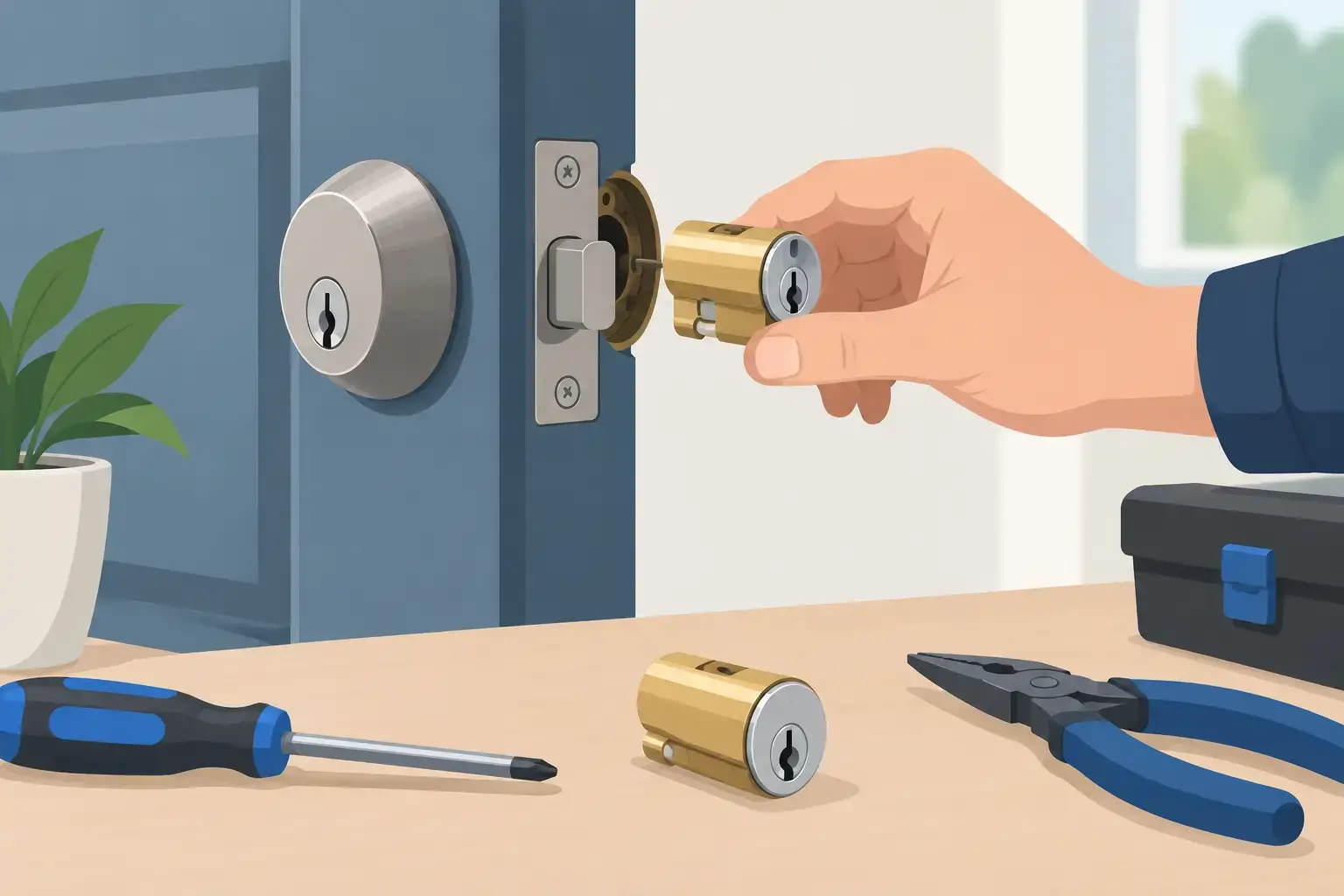
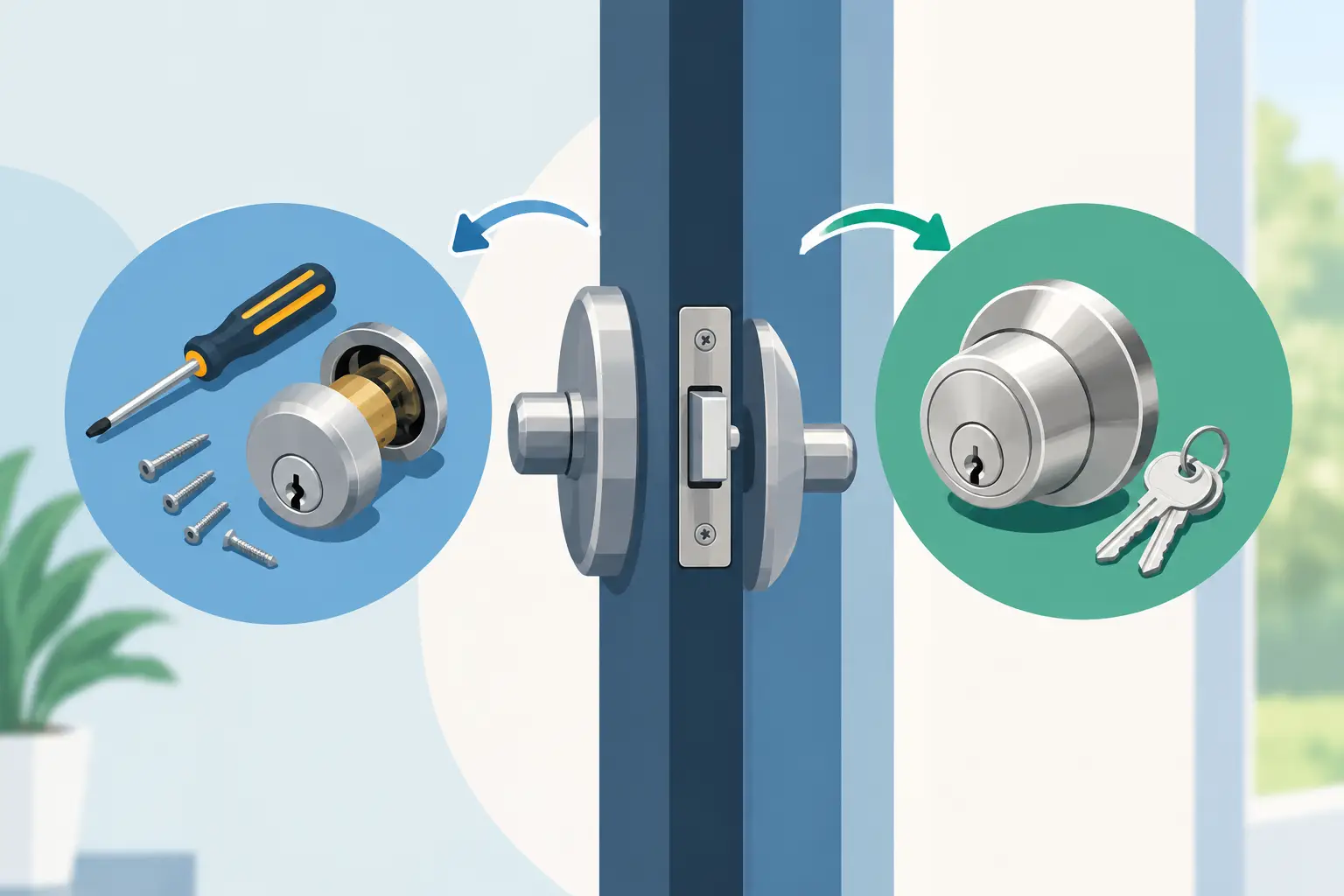
Rekeying changes the internal pins of an existing lock so the old key no longer works. It is often the sensible choice after buying a home, moving into a rental, losing a key, or ending access for a former employee. If the lock is in good condition and meets the security needs of the door, rekeying can be more affordable than full replacement.
Replacement is usually better when the hardware is worn, damaged, low quality, or no longer suited to the property. A lock that has been forced during a break-in should be inspected carefully. Even if it still turns, internal damage or a bent bolt can cause failure later.
A useful rule is simple: rekey a lock you trust; replace a lock you do not. A locksmith can inspect the cylinder, latch, strike, door frame, and keyway before recommending the most practical option.
Access Control for Businesses and Rental Properties
Handing out separate keys for every room can become difficult to manage. Master-key systems allow designated users to open specific doors while restricting access to others. For example, a facility manager may need access throughout a building, while individual employees only need their own office or work area.
The design needs care. A poorly planned master-key system can create confusion or give more access than intended. Before changing commercial locks, identify who needs access, which doors should remain restricted, and what should happen when a key is lost or an employee leaves.
Property managers may benefit from rekeyable systems, restricted keyways, or electronic access options depending on the number of units and turnover rate. There is no one-size-fits-all answer. A small duplex and a large office complex have very different access needs.
Do Not Overlook the Rest of the Entry Point
Security is not only about the lock. Check that exterior doors close squarely, hinges are tight, glass near the lock is considered, and the frame has no visible splitting or rot. Sliding doors may need secondary locks or track protection. Garage-to-home doors deserve the same attention as front doors, especially if the garage is accessible from outside.
After a break-in, preserve any needed evidence before repairs begin. Once law enforcement has completed its work, address the damaged lock, frame, and strike plate together. Replacing only the visible broken part may leave the entry point weaker than before.
If you are locked out, dealing with a broken key, or worried that someone still has access to your property, do not wait for the issue to become worse. Free Eagle Locksmith provides mobile service across the Twin Cities for urgent lock repairs, rekeying, replacement, and security upgrades. A prompt inspection can turn a doubtful door into one you can close with confidence.