
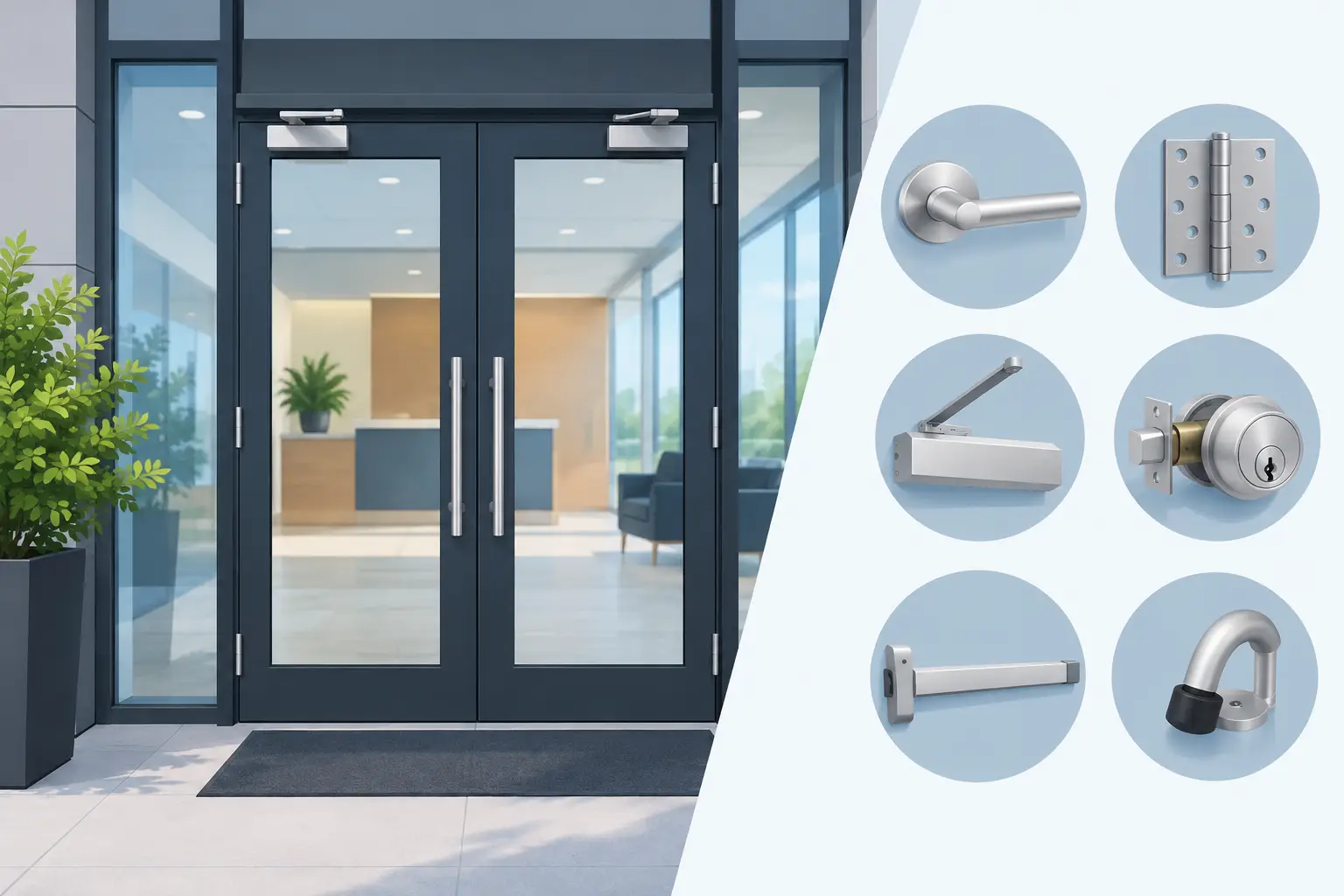
A commercial door that will not latch, close, or open correctly can stop business fast. It may leave employees locked out, expose a restricted area, create an unsafe exit route, or leave a storefront vulnerable after hours. The right essential commercial door hardware does more than secure a door. It keeps your building accessible to the right people, supports safe evacuation, and stands up to constant daily use.
For Twin Cities business owners, property managers, and facility teams, choosing hardware is not just a matter of picking a lock. The door, frame, traffic level, occupancy, and security needs all affect what belongs on that opening. A professional locksmith can help match the hardware to the job before a small door problem becomes an expensive interruption.
Essential Commercial Door Hardware Starts With the Door
Before selecting a lock, look at the whole opening. A heavy steel exterior door used by staff all day needs different hardware than an interior office door, a glass storefront entrance, or a rear service door. The lock may be the most visible security feature, but it cannot perform well when the hinges are loose, the closer is failing, or the frame does not hold the strike securely.
High-traffic doors usually need commercial-grade hardware designed for repeated cycles. Residential-style knobs and light-duty deadbolts may work briefly, but they often wear out quickly in business settings. When a door handles deliveries, employees, customers, and vendors throughout the day, durability is part of security.
The basic components to assess include the locking device, latch and strike, hinges, closer, exit hardware, door frame, weather sealing, and any electronic access equipment. A problem in one area can affect the entire system. For example, a door closer that slams or fails to close fully may keep a latch from engaging, even when the lock itself is in good condition.
Locks and Cylinders Control Who Gets In
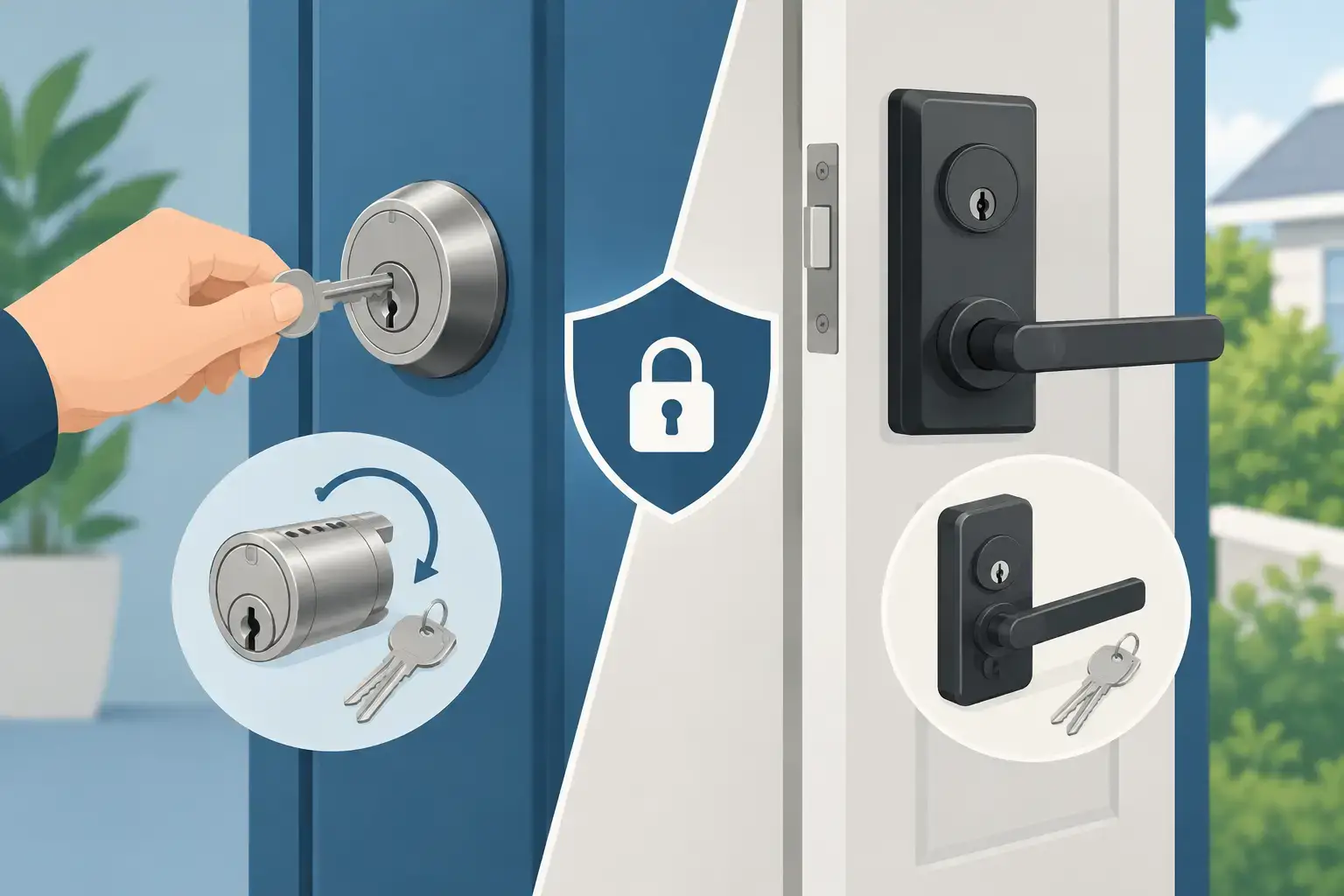
Commercial locks should match both the security level and the way your business operates. A private office may only need a standard commercial lever lock, while a pharmacy, server room, cash office, or records room may require restricted keyways, high-security cylinders, or electronic access control.
Lever Locks for Daily Interior Access
Commercial lever locks are common on offices, classrooms, employee areas, and interior suites because they are simple to use and accessible. They are available in different grades, functions, and keying options. The right function matters. A storeroom, for example, should automatically lock from the outside when the door closes, while an office function may allow the inside button to control exterior locking.
Choosing the wrong function can create a daily frustration or a security gap. Employees should not have to prop open a door because the hardware does not fit their workflow.
Deadbolts for Exterior and Restricted Doors
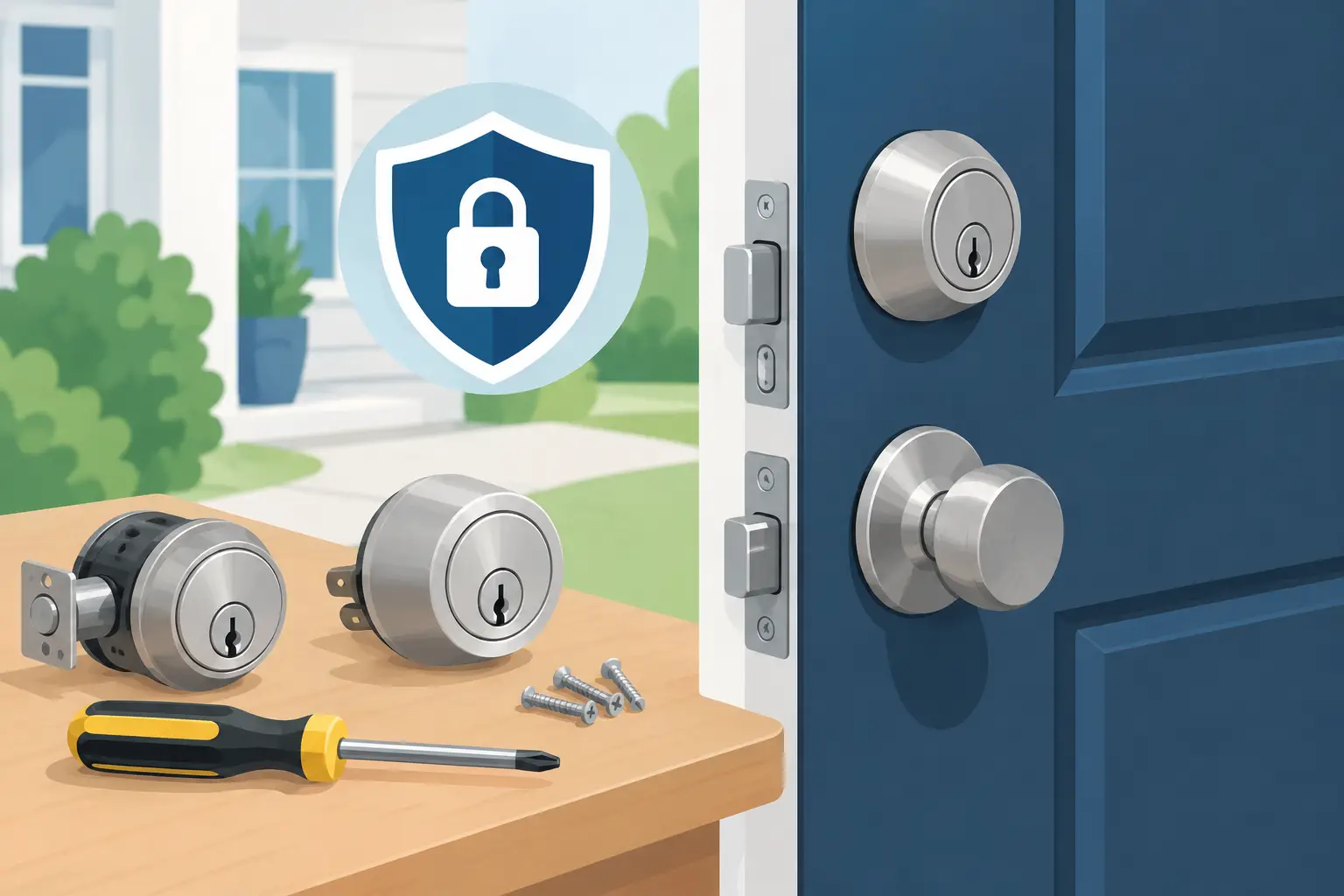
A commercial deadbolt adds a separate locking point and is often used on exterior doors or doors protecting sensitive areas. It can provide strong protection when installed correctly into a sound door and frame. However, a deadbolt should never interfere with a required emergency exit. Doors that people must use to leave during an emergency need hardware that allows fast egress without keys, tools, or special knowledge.
High-Security Cylinders and Restricted Keys
Lost keys, former employees, and uncontrolled key copies can quietly weaken a business’s security. High-security cylinders and restricted key systems give owners greater control over who can duplicate keys. They can also resist common forced-entry methods better than basic lock cylinders.
This option makes sense for businesses with multiple employees, valuable equipment, sensitive files, or several locations. It costs more upfront than standard keying, but it can reduce the risk and disruption of rekeying an entire property after keys go missing.
Exit Devices Protect People and Help Meet Requirements
Panic bars, also called exit devices, are among the most critical pieces of commercial door hardware. They allow people to push open an exit door quickly from the inside. You will commonly see them on rear exits, public buildings, schools, assembly spaces, and doors with higher occupant loads.
A panic bar that sticks, binds, or has been taped or chained shut is a serious safety concern. It can also create code issues and expose a business to liability. Exit hardware must work every time, even if the exterior side of the door is locked.
There are several styles, including rim devices, vertical rod devices, and mortise exit devices. The correct choice depends on the door type, number of doors, frame condition, security needs, and local requirements. A double-door opening may need different hardware than a single metal exit door, especially if one leaf is normally inactive.
Do not assume that adding a deadbolt, slide bolt, or aftermarket lock to an exit door is harmless. Any change to an egress door should be evaluated carefully by a qualified professional who understands the hardware and applicable building requirements.
Door Closers Keep Security From Being Left Open
A commercial door closer is the device that returns the door to the closed and latched position. It may seem minor, but a door that does not close completely is not secure. Wind, temperature changes, worn hinges, floor conditions, and frequent traffic can all affect door operation.
Properly adjusted closers prevent doors from slamming while still making sure they latch. This is especially important on exterior entrances, fire-rated openings, and doors connected to access control systems. If a door drifts open after every delivery or needs a hard shove to latch, it needs service.
Some businesses benefit from hold-open functions, delayed-action closers, or coordinated closing systems for pairs of doors. These solutions can improve accessibility and daily operations, but they must be selected carefully. A fire-rated door generally cannot be held open with an improvised doorstop.
Hinges, Strikes, and Frames Are Security Hardware Too
Forced-entry resistance is not only about the lock. A strong lock installed in a weak strike plate or damaged frame gives intruders an easier target. Commercial strikes should be properly reinforced and secured with the correct fasteners. On exterior doors, the frame condition deserves close attention, particularly after a break-in attempt.
Hinges also matter. Exterior outswing doors with exposed hinge pins may need security hinges or non-removable pins. Continuous hinges can provide better support for heavy, high-use doors and help correct alignment issues. When a door sags, scrapes, or latches inconsistently, the hinges and frame may be the real cause.
After a break-in, do not settle for replacing only the damaged lock. Have the door, frame, strike, hinges, and closer checked together. Repairing the full opening helps prevent a repeat problem and restores reliable security.
Access Control Adds Convenience With Accountability
Keyless entry systems can make access easier to manage for offices, warehouses, medical practices, and multi-tenant properties. Depending on the system, employees may use keypads, cards, fobs, mobile credentials, or biometric readers. Managers can remove a former employee’s access without collecting every physical key.
Electronic access control is not automatically the best answer for every door. It requires compatible locking hardware, reliable power, correct installation, and a plan for emergencies or power failures. A small office may be well served by a restricted key system, while a larger facility with changing staff may benefit from scheduled access and audit records.
The best setup often combines mechanical and electronic security. Mechanical locks still provide dependable backup and may be needed for certain openings, while access control offers better day-to-day oversight.
Plan Hardware Around Real Business Risks
The most effective hardware plan begins with simple questions. Which doors are used by customers, employees, vendors, and cleaners? Which areas hold cash, inventory, records, tools, or sensitive data? Who has keys now, and who should have them? What happens if a key is lost or an employee leaves?
A master key system can simplify access across multiple offices or suites, but it must be planned carefully. The goal is to give each person only the access needed for their role. Poorly managed master keys can create a major security concern because one lost key may affect many doors.
For property managers, consistency is valuable. Using compatible commercial hardware across a property makes repairs, rekeying, and key control easier over time. It also helps tenants and maintenance staff avoid confusion during urgent situations.
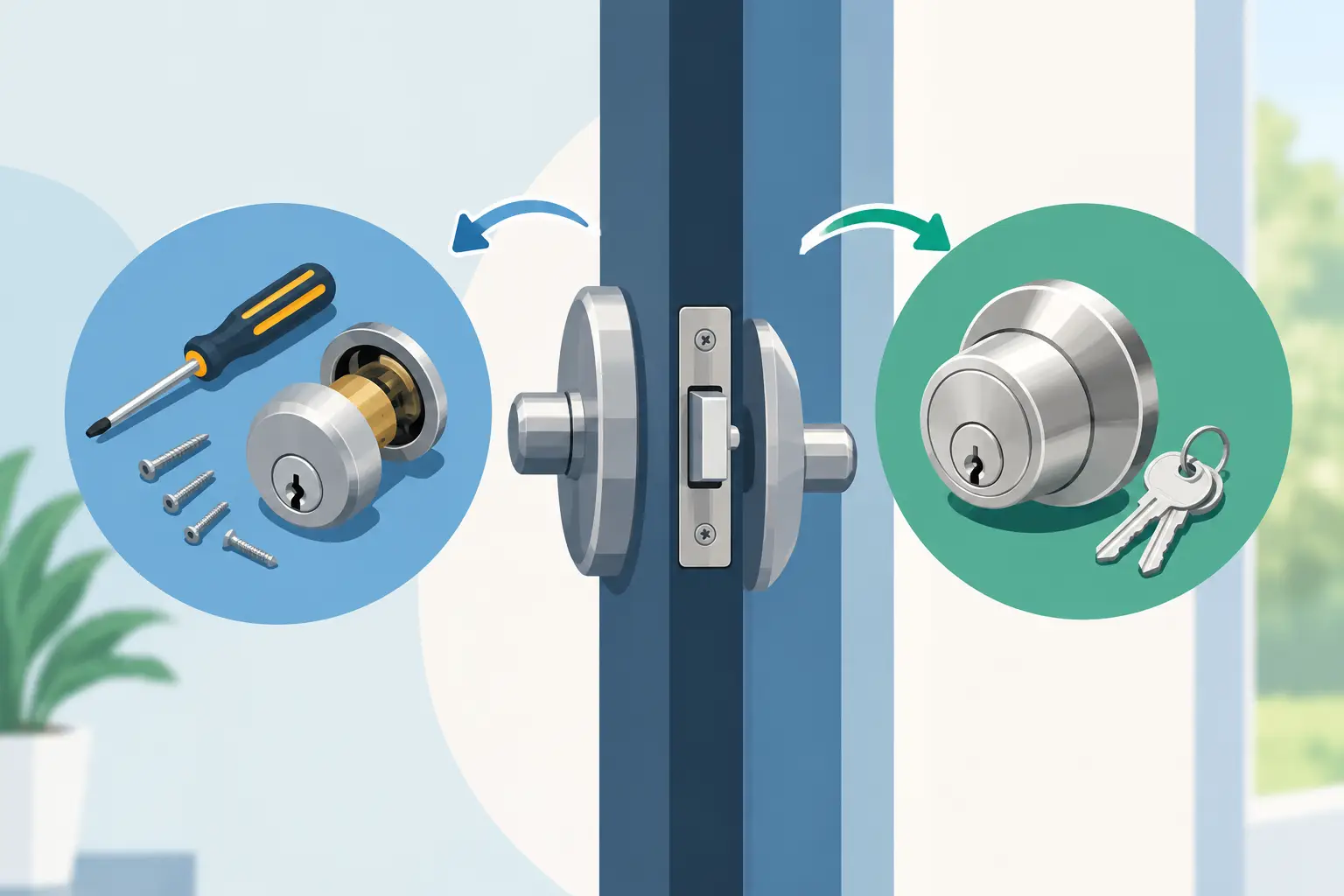
When a door fails, an office is locked out, or a break-in damages your entry, fast help matters. Free Eagle Locksmith provides mobile commercial locksmith service across the Twin Cities for lock repairs, rekeying, hardware replacement, master-key solutions, and urgent access problems.
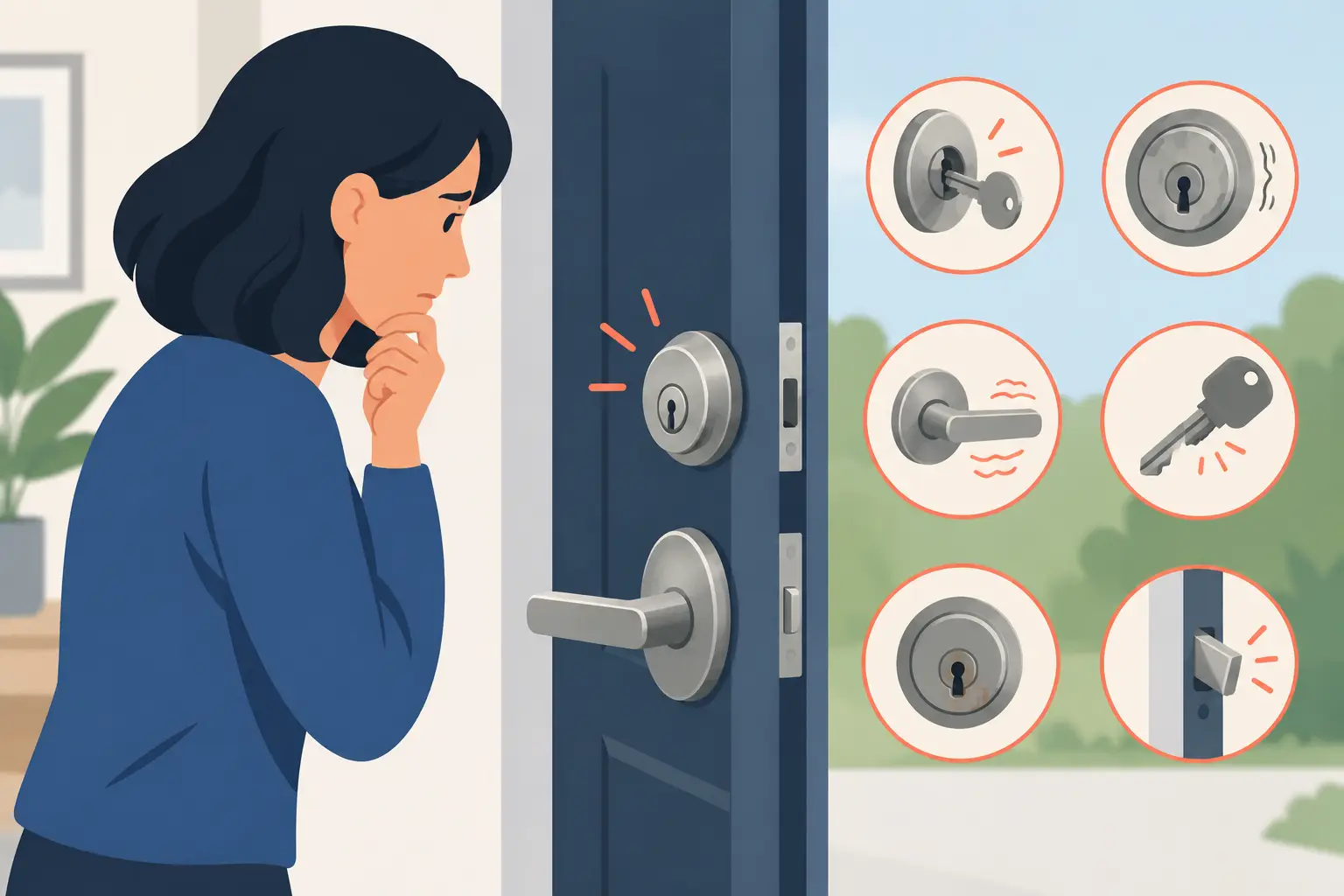
A commercial door should close securely, open safely, and work without slowing down your business. If yours is sticking, not latching, showing damage, or relying on hardware that no longer fits the way your team works, schedule a professional inspection before the next busy day turns it into an emergency.