
A front-door lock can look fine right up until it fails to turn, a key goes missing, or a break-in leaves the hardware loose and unreliable. This home lock replacement guide helps Twin Cities homeowners, renters, and landlords decide when a lock needs to go, what replacement makes sense, and when it is safer to call a professional.
Replacing a lock is not always about getting a newer-looking deadbolt. The right choice protects the people inside, works with your door, and gives you dependable access when Minnesota weather, worn hardware, or a stressful security issue puts the lock to the test.
When a Home Lock Should Be Replaced
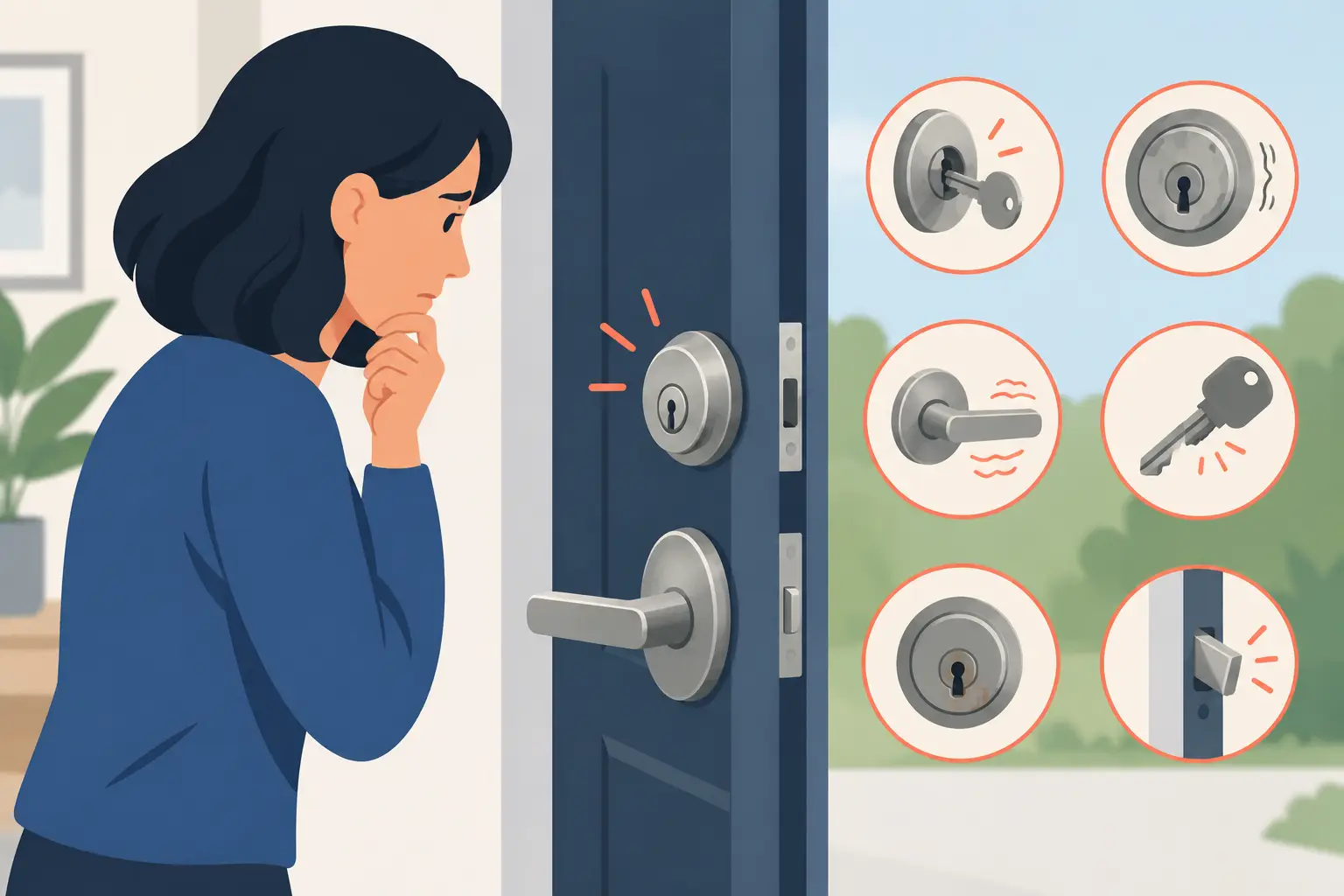
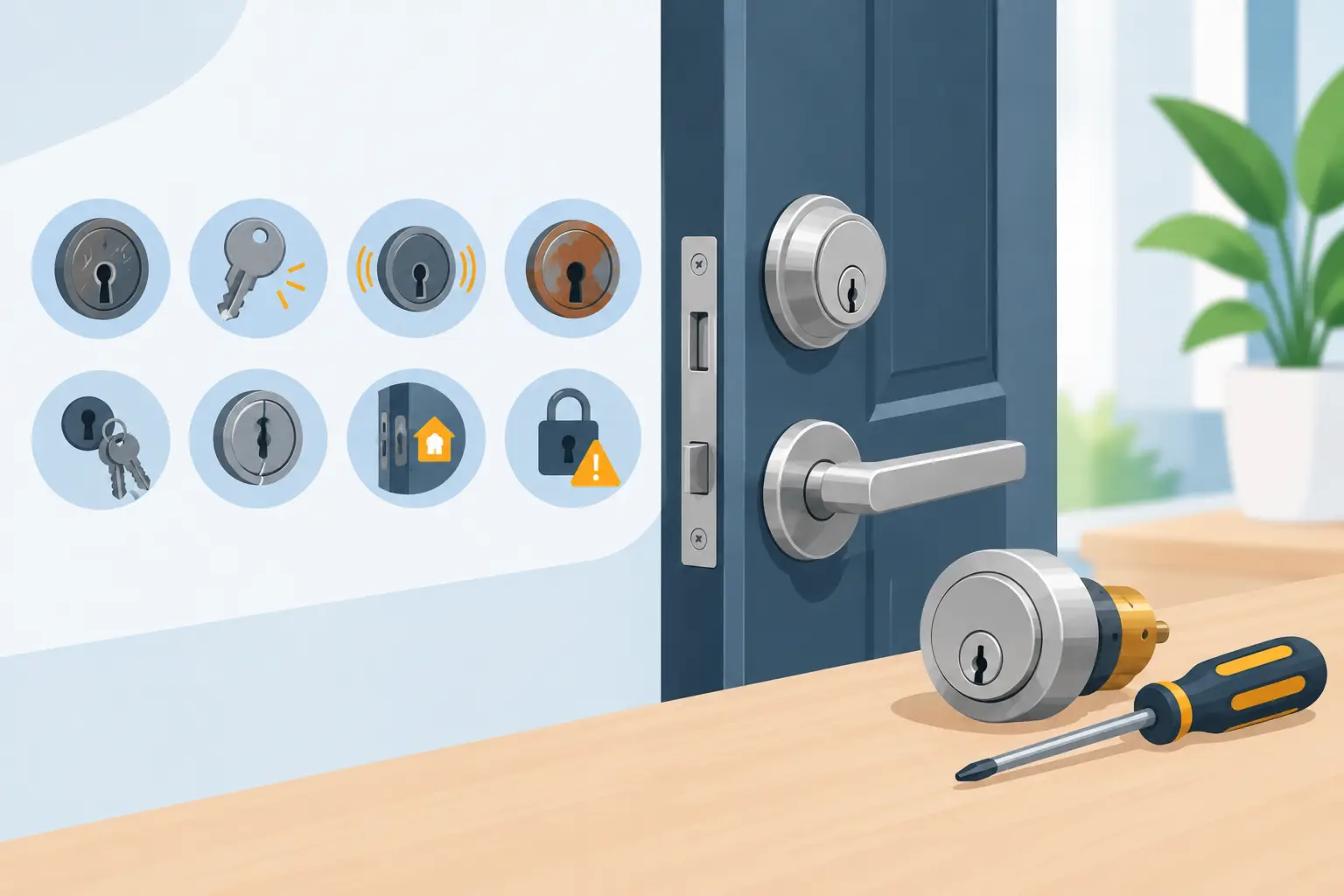
A lock should be replaced when its security or reliability is in question. Damage after an attempted break-in is an obvious reason, but many replacement needs are quieter. A key that sticks, a deadbolt that needs to be lifted or pushed to lock, visible rust, or a loose cylinder can all signal that the hardware is wearing out.
Replace the lock promptly after a forced entry, even if the door still closes and the key still works. Internal parts may be bent or weakened, and the strike plate or door frame may have damage that makes the door easier to force open again. A locksmith can inspect the whole opening, not just the lock itself.
Lost or stolen keys also create a decision point. If you know every missing key has been recovered, you may not need to replace anything. If you cannot be sure who has access, replacement or rekeying is the safer move. The same applies after a tenant moves out, a contractor finishes a project, or a relationship changes.
A move into a new home is another common reason to act. Previous owners may have given keys to relatives, neighbors, cleaners, pet sitters, or repair workers. You do not have to assume the worst to make a smart security change. You simply need control over who has a working key.
Replace or Rekey: Which One Fits the Problem?
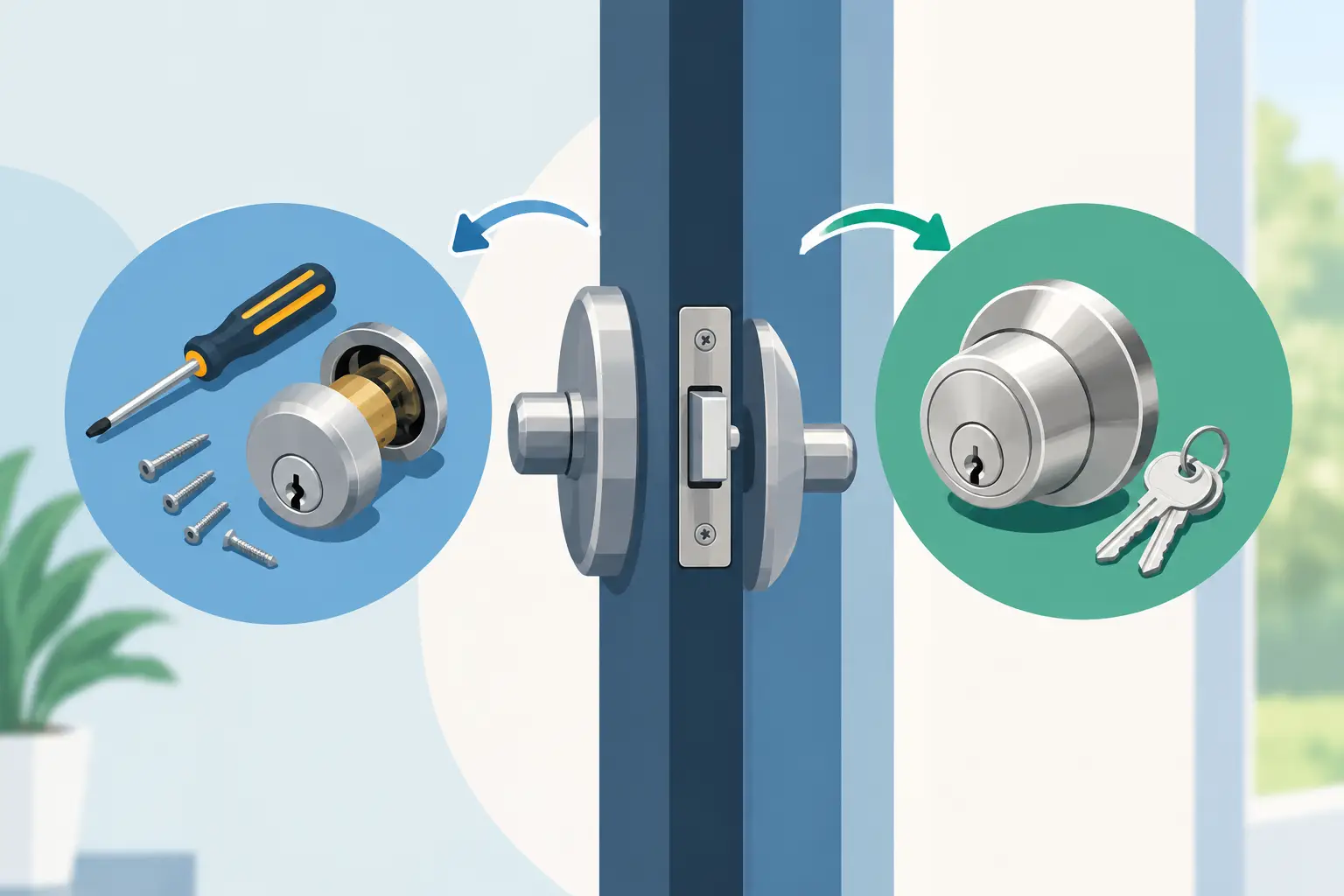
Rekeying changes the internal pin setup so the old key no longer operates the lock. The exterior hardware stays in place, but you receive a new key. It is often the practical option when the existing lock is in good condition and the concern is unauthorized copies of an old key.
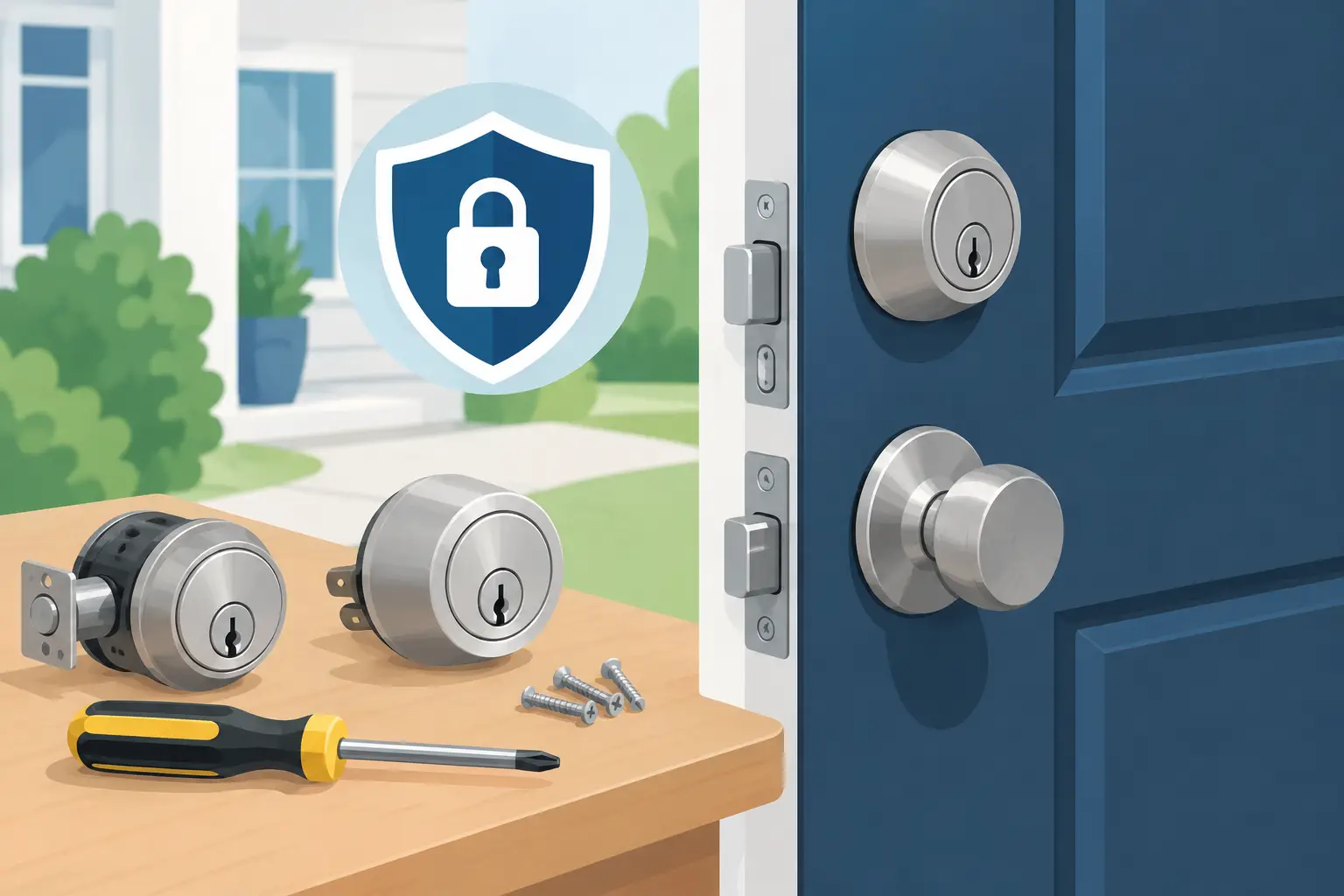
Replacement means installing new lock hardware. It is the better choice when the lock is damaged, outdated, unreliable, low quality, or no longer suited to the level of security you need. It is also the answer when you want to change the function of the door, such as adding a keypad deadbolt, upgrading to a high-security cylinder, or matching several doors to a new key system.
Cost matters, but the lowest immediate price is not always the best value. Rekeying a solid, properly installed lock can be an efficient fix. Rekeying a worn lock that already sticks may only postpone the problem. A qualified locksmith can tell you honestly whether the hardware is worth keeping.
Choose the Right Lock for the Door
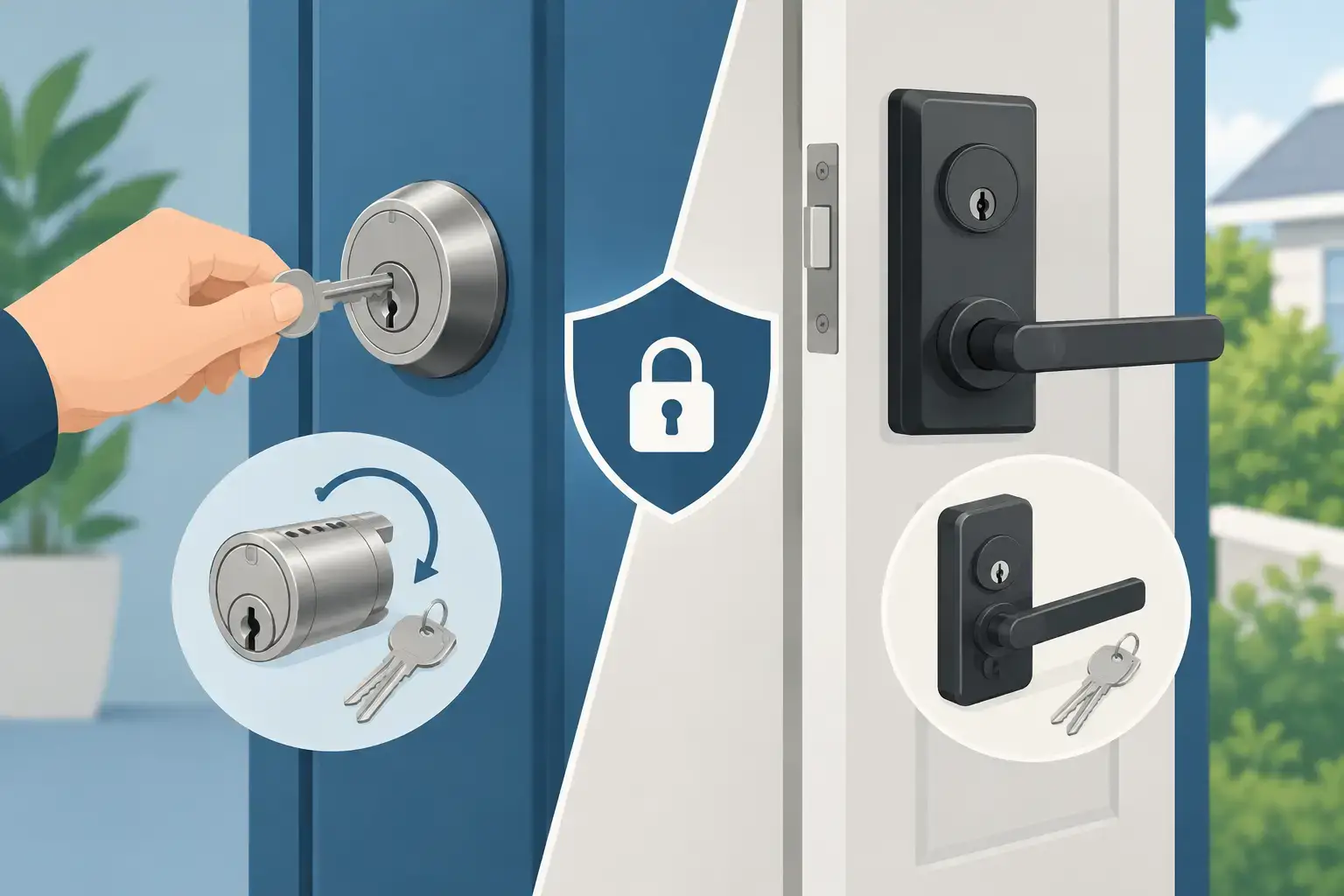
The deadbolt usually does the serious security work on an exterior door. A locking doorknob or lever can add convenience, but it should not be the only protection on a main entry door. Look for a quality deadbolt that fits your door thickness and backset, which is the distance from the door edge to the center of the lock hole.
For many homes, a single-cylinder deadbolt is the practical choice. It uses a key outside and a thumb turn inside, allowing a fast exit without searching for a key. A double-cylinder deadbolt requires a key on both sides. It may seem more secure near glass, but it can create a safety concern during an emergency because occupants need a key to exit. Local code requirements and the layout of the door should guide that decision.
Electronic keypad locks are useful for busy households, rental properties, and anyone tired of managing spare keys. You can provide a temporary code for a guest or service worker and remove it later. The trade-off is that electronic locks need battery checks and correct installation. A keypad model with a physical key backup is often a sensible choice, especially during cold Minnesota winters when batteries and moving parts face more strain.
High-security locks can make sense after a break-in, for homes with valuable equipment, or for property owners who need better control over key duplication. They are not necessary for every door. A strong lock is only as good as the door, frame, hinges, and strike plate supporting it.
Do Not Ignore the Door Frame and Strike Plate
A new deadbolt cannot compensate for a weak strike plate installed with short screws. When the bolt extends into the frame, the strike plate and screws are what help resist force. If the plate is loose, bent, or attached with small screws that barely reach the frame, the door may remain vulnerable even with excellent new hardware.
Check that the deadbolt slides smoothly into the strike opening without needing to pull, shove, or lift the door. If it does not line up, the problem may be a settling house, swollen wood, worn hinges, or frame damage. Forcing the deadbolt night after night can damage the new lock and leave you stuck outside at the worst time.
Also look at the condition of the door itself. Cracked wood around the lock, a split frame, loose hinges, or a poorly fitting door needs attention. A professional can recommend practical reinforcement without turning a routine lock replacement into an unnecessary renovation.
Can You Replace a Lock Yourself?
A straightforward lock swap can be a reasonable DIY project if the door is in good shape, the existing holes match the new hardware, and you are comfortable measuring and using basic tools. Read the manufacturer instructions closely, keep the latch oriented correctly, and test the lock repeatedly with the door open before closing it.
DIY installation gets riskier when the lock needs to be drilled, the deadbolt does not align, the door is metal or fiberglass, or the hardware was damaged during a break-in. Small installation mistakes can leave the lock loose, cause the bolt to bind, or create a gap that weakens security. Smart locks add another layer of setup involving calibration, batteries, and app access.
Do not remove your only working lock late at night unless you already have all replacement parts and know the door can be secured. If the lock has failed and your home cannot be safely locked, that is an urgent service issue rather than a weekend project.
What to Do After a Break-In or Lock Failure
If someone has tried to force entry, prioritize safety first. If there is an immediate threat or evidence of a crime, contact emergency services and avoid disturbing the area. Once it is safe, secure the door as quickly as possible. Take photos of damage for your records, but do not rely on a temporary latch, a chair under the knob, or a damaged deadbolt for ongoing protection.
For a failed lock, avoid aggressive force. Spraying random lubricants into a cylinder or repeatedly twisting a key can turn a repairable issue into a broken key or damaged mechanism. A mobile locksmith can restore access, extract broken keys when needed, replace damaged hardware, and make sure the door locks correctly before leaving.
A Better Plan for Every Exterior Door
Walk your home and check the front door, back door, garage entry, patio door, and any side entrance. The goal is not to buy the most expensive lock for every opening. It is to make sure each exterior door closes properly, has dependable locking hardware, and is controlled by keys or codes you can account for.
If several doors use different keys, ask about keying compatible locks alike. One well-managed house key can be easier to use and less likely to get lost than a crowded key ring. For landlords and property managers, a planned rekey or replacement between occupants is also easier and safer than waiting for an emergency call.
When a door will not secure, a key is missing, or break-in damage has left you uneasy, quick action restores more than access. Free Eagle Locksmith can come directly to your Twin Cities home, assess the hardware, and help you put a reliable lock between your household and the outside.