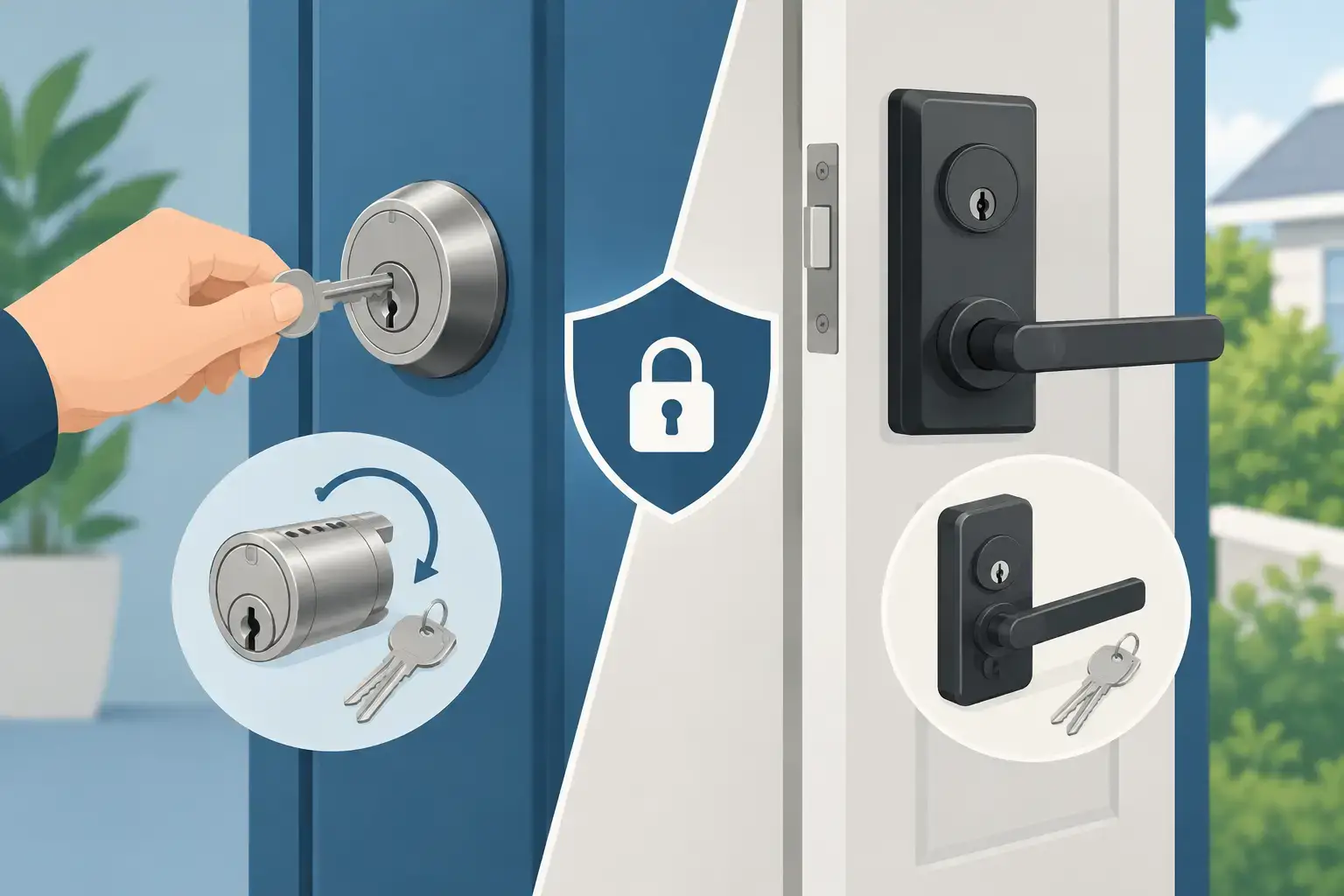

A lock that sticks at the wrong moment is more than an inconvenience. It can leave your home exposed, delay your business opening, or turn a normal drive home into a stressful lockout. So, when should locks be replaced? The answer depends on what happened to the lock, who may have keys, and whether the hardware still protects the property the way it should.
Replacing a lock is not always the only answer. In some situations, a rekey can restore control at a lower cost. In others, repairing the lock may be practical. But if there is a security risk, visible damage, or repeated failure, waiting can cost more than replacing the hardware now.
When Should Locks Be Replaced After a Security Concern?
The clearest time to replace locks is after a break-in or attempted break-in. Even if the door still closes and the key turns, forced entry can bend internal parts, weaken the strike area, or damage the lock cylinder in ways that are easy to miss. A damaged lock may fail when you need it most.
Replacement is also a smart move when keys have been stolen and you do not know where they may end up. Rekeying can be enough if the existing lock is in good condition and you simply need old keys to stop working. However, replacement makes more sense when the lock itself is worn, damaged, low quality, or no longer provides the level of security you need.
For commercial properties, take access changes seriously. If an employee with keys leaves under difficult circumstances, a rekey or master-key update should happen promptly. A business cannot rely on collecting every copied key, especially when several people have had access over time.
8 Signs It Is Time for New Locks
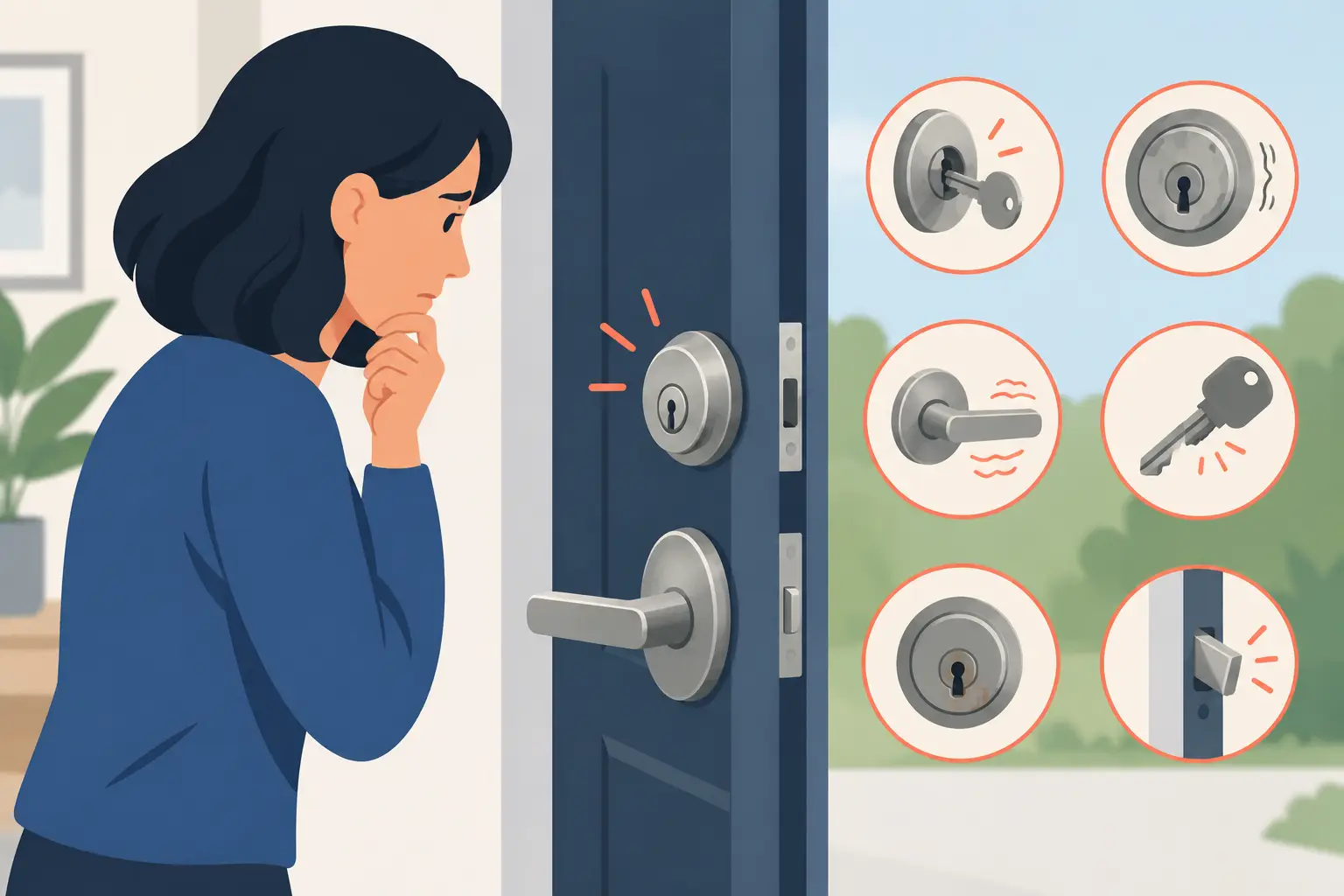
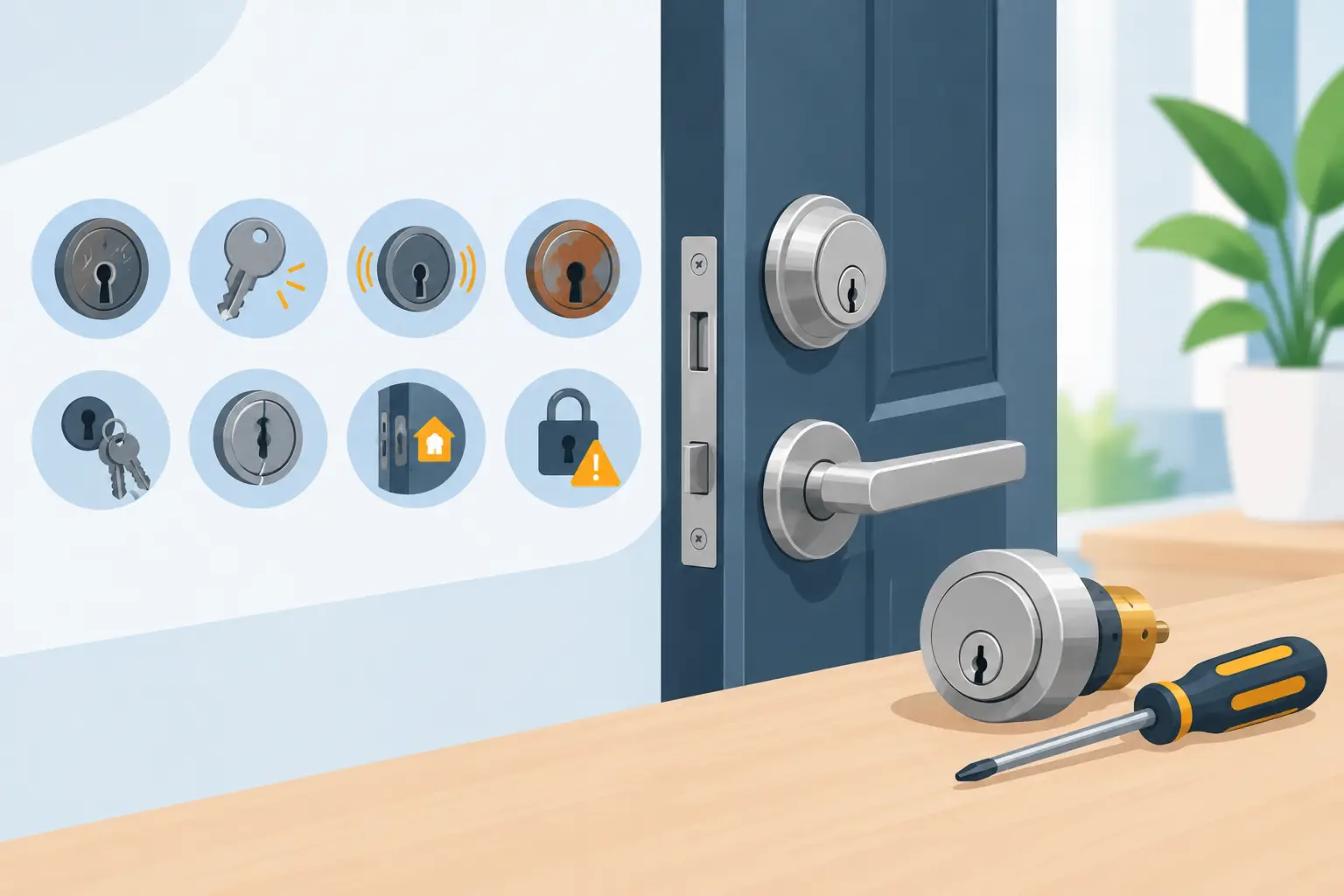
A lock rarely fails without warning. Pay attention to changes in how your door, office, or vehicle lock operates. These eight signs usually mean the lock needs professional attention and may need replacement.
- The key is difficult to insert or turn. A little resistance during a Minnesota cold snap can happen, but ongoing sticking is different. The cylinder may be worn, misaligned, dirty, or damaged.
- The lock is loose, wobbly, or pulling away from the door. Loose hardware can affect how the bolt engages and makes the lock easier to damage. Tightening a screw may help in some cases, but stripped mounting points or broken internal hardware call for replacement.
- The deadbolt does not extend fully into the frame. A deadbolt that only partially engages does not provide the protection you expect. Sometimes the door has shifted and needs adjustment. Other times, the bolt or strike plate is worn beyond a reliable repair.
- You see rust, corrosion, cracks, or clear physical damage. Exterior locks take abuse from moisture, road salt, freezing temperatures, and everyday use. Corrosion can affect the internal mechanism long before the lock stops working completely.
- The key has broken in the lock. A broken key can result from a weak key, but it can also signal a worn cylinder or internal obstruction. Extracting the key may restore access, yet the lock should be checked before it creates another emergency.
- The lock has been forced or vandalized. Scratches around the keyway, a bent latch, or damage near the strike plate should never be ignored. Someone may have tried to enter, and the hardware may no longer stand up to another attempt.
- You have moved into a new home or taken over a new space. You cannot know how many keys former owners, tenants, contractors, neighbors, or employees may still have. Rekeying is often sufficient for sound locks, while replacement gives you the chance to improve old or basic hardware.
- The lock is outdated for the property’s needs. A basic knob lock may be fine for an interior door, but it is not enough as the only protection on an exterior entry. Homes may benefit from a quality deadbolt or electronic lock. Offices may need high-security cylinders, controlled key systems, or a master-key plan.
Replace, Rekey, or Repair: What Is the Right Call?
These services solve different problems. Choosing the right one keeps the job affordable while protecting the people and property behind the door.
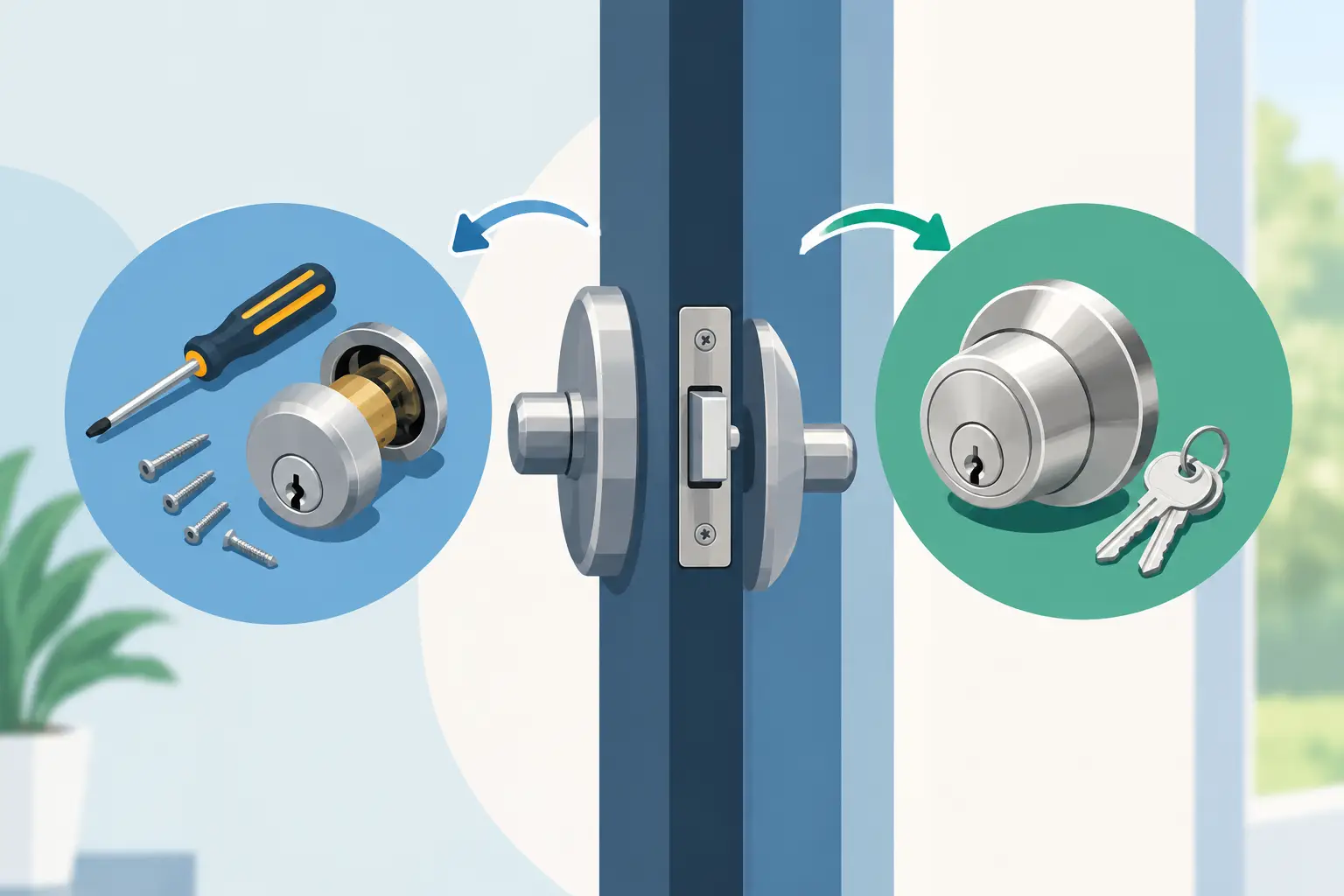
Rekeying changes the internal pins of an existing lock so old keys no longer work. It is usually the best choice after a move, a lost key, or a staffing change when the lock is still dependable. You receive new keys without replacing the whole lock.
Repair is useful when the issue is limited. A door may be sagging, the strike plate may be out of alignment, or a latch may need adjustment. Repair can save money when quality hardware has years of service left.
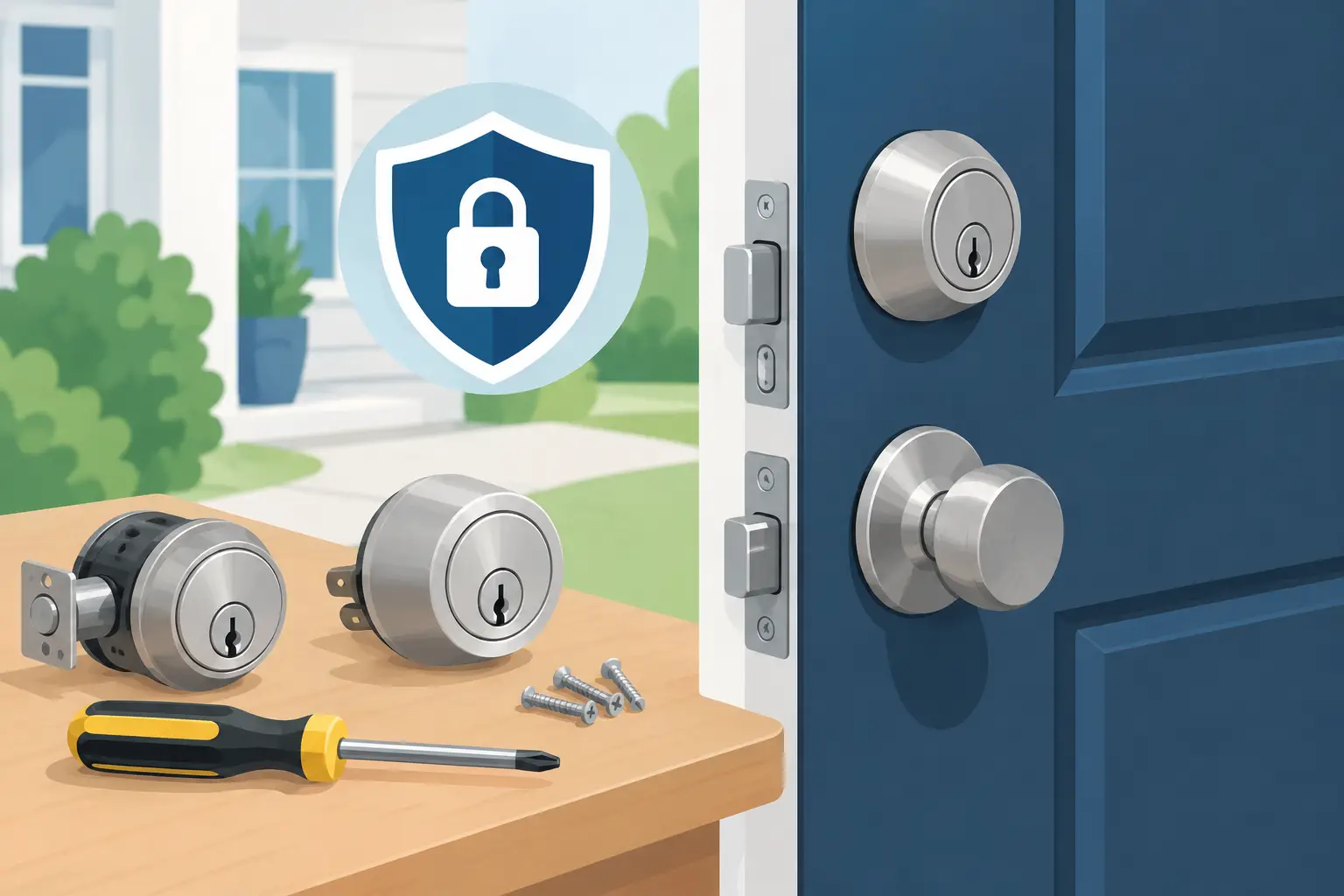
Replacement is the better choice when the lock is damaged, repeatedly malfunctioning, severely corroded, or too weak for the security level required. It is also the right time to upgrade if you want a keypad, restricted keyway, stronger deadbolt, or hardware that matches a new access-control plan.
A locksmith can inspect the door, frame, lock body, and keyway before recommending a solution. That inspection matters because a new lock installed on a damaged frame or misaligned door may still not work correctly.
Do Not Ignore the Door and Frame
A strong lock is only one part of a secure entrance. The deadbolt needs to extend cleanly into a properly installed strike plate, and the frame needs to hold that strike securely. If the door rubs, the latch catches, or the bolt only works when you lift the door, the problem may be alignment rather than the lock alone.
This is especially common in older Twin Cities homes, where seasonal movement and changing temperatures can affect doors and frames. A professional can determine whether the hardware needs adjustment, repair, or complete replacement. Fixing the full problem helps prevent premature wear on your new lock.
When Replacement Cannot Wait
Call for immediate locksmith help when you cannot secure the property. That includes a door that will not lock, a key that turns without operating the deadbolt, a lock damaged during a break-in, or a broken key that leaves you locked out.
Businesses should act quickly if a damaged entry affects employee safety, customer access, inventory, or confidential areas. Homeowners should not wait overnight with a compromised exterior door if the lock can no longer hold securely. A mobile locksmith can come to the home, workplace, or roadside location with the tools and replacement options needed to restore access and security.
For drivers, a vehicle lock problem is also worth addressing promptly. A damaged ignition, worn key, or malfunctioning door lock can leave you stranded without warning. Getting the issue checked before the next failure can prevent a stressful roadside emergency.
Choose Hardware That Fits How You Live or Work
The cheapest lock is not always the most affordable choice if it wears out quickly or does not protect the entry properly. At the same time, not every door needs the highest level of commercial hardware. The right choice depends on the door’s location, traffic level, existing access needs, and the value of what is inside.
For a family home, a reliable deadbolt and properly secured strike plate often provide the practical protection needed for exterior doors. Rental owners may prefer hardware that can be rekeyed efficiently between tenants. Offices, warehouses, and multi-door properties may need high-security locks or master-key systems to control access without giving everyone the same key.
Free Eagle Locksmith provides mobile lock repair, rekeying, replacement, and security upgrades throughout the Twin Cities, including help when a damaged lock cannot wait. A prepared technician can assess the problem on site and explain the most practical option clearly.
If your lock is sticking, damaged, outdated, or connected to a security concern, do not wait for it to fail completely. Addressing it while you still have access gives you more choices, less stress, and a safer door by the end of the day.