
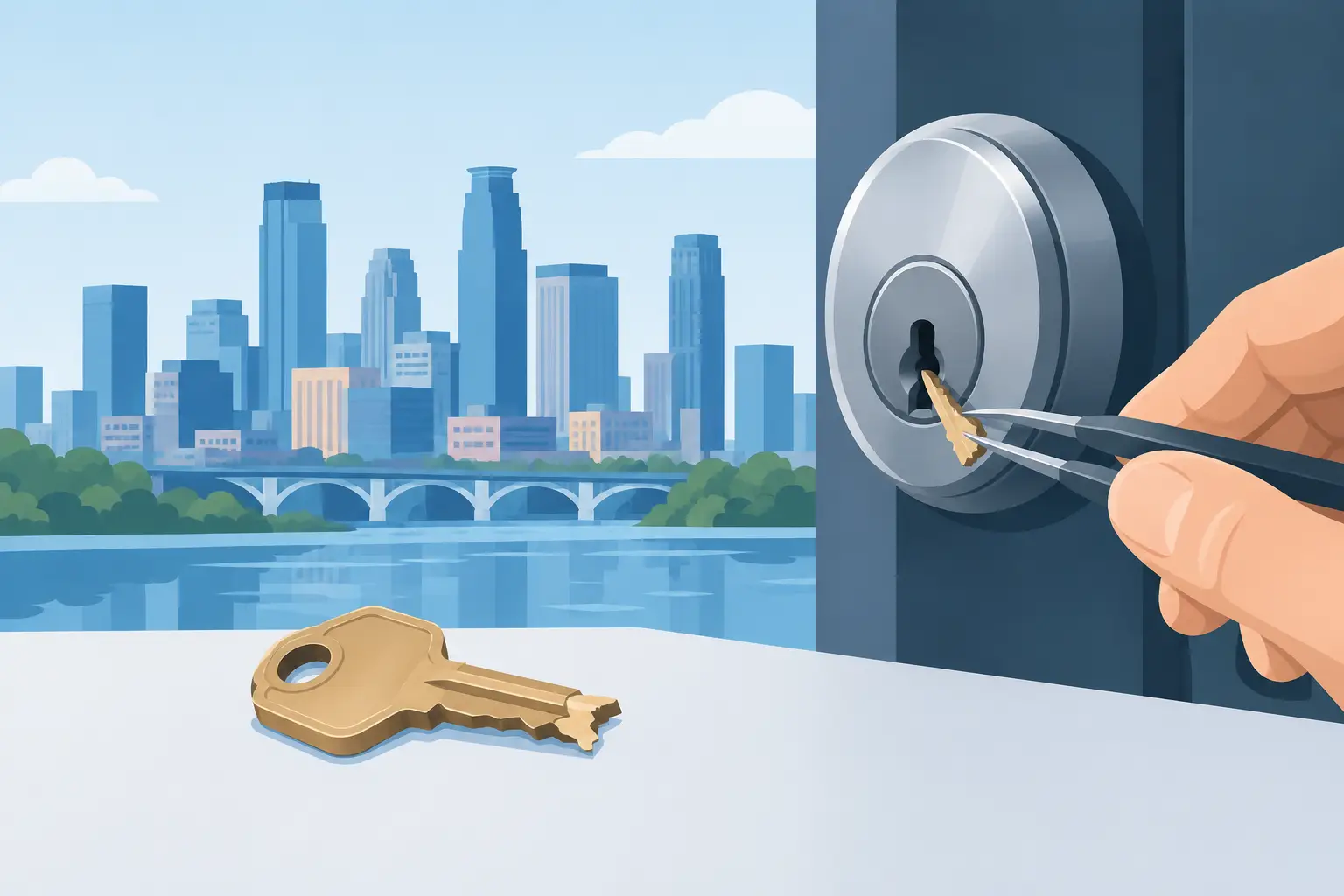
A key can snap at the worst possible moment: when you are coming home late, opening your business for the day, or trying to start your car in a Minneapolis parking lot. If part of the key is still stuck in the lock, broken key extraction Minneapolis service can get the piece out without turning one frustrating problem into a damaged lock, door, or ignition.
The first rule is simple: stop forcing it. A broken key is often recoverable, but repeated attempts with the wrong tools can push the fragment farther inside or damage the lock pins. A mobile locksmith can come to your home, office, vehicle, or roadside location, remove the key fragment, and help restore access fast.
What to Do When a Key Breaks in a Lock
Take a breath and look at how much of the key is visible. If the broken end is sticking out clearly, it may be tempting to grab it with pliers. That can work only when there is enough metal exposed to get a firm, straight grip. If the key is nearly flush with the lock face, pliers usually create more trouble by pushing it inward.
Do not insert another key, a paper clip, a screwdriver, or a knife into the keyway. These items can bend lock components, scratch an ignition cylinder, or wedge the fragment deeper in place. Avoid using glue as well. Glue can spread inside the lock and turn a straightforward extraction into a lock replacement.
If you have a spare key, keep it nearby, but do not try it until the broken piece has been fully removed and the lock has been checked. In many cases, the original key broke because it was worn, bent, or because the lock itself was starting to bind.
When Broken Key Extraction in Minneapolis Requires a Pro
A professional extraction is the safest choice when the key broke below the surface, the lock does not turn, the key snapped in an ignition, or you are locked out of a home, business, or vehicle. It is also the right call when the lock is part of a high-security system, a commercial door, a mailbox, a filing cabinet, or a master-key setup.
Locksmiths use purpose-built extractors designed to catch the cuts of the broken key and pull it out with controlled pressure. The process is not about pulling hard. It is about reaching the fragment without damaging the delicate parts inside the cylinder.
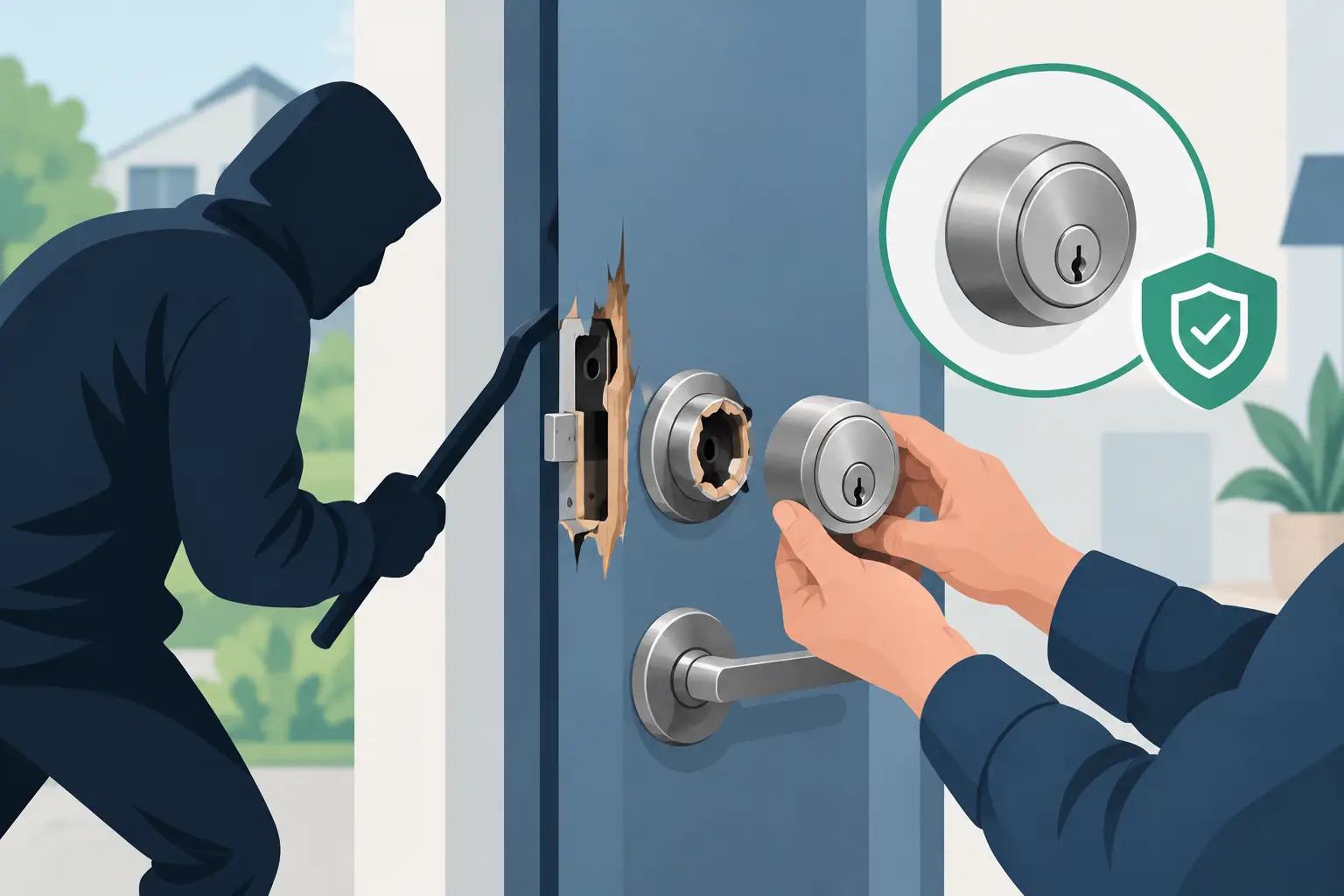
After the piece is removed, the technician should test the lock and determine why the key failed. Sometimes a new key is all that is needed. Other times, the lock needs repair, rekeying, or replacement because worn pins, dirt, rust, internal damage, or a misaligned door put too much stress on the key.
Why Keys Break in Minneapolis Homes, Cars, and Businesses
Cold weather is one common factor in the Twin Cities. Moisture can freeze inside an exterior lock, and a driver or homeowner may apply extra force to turn a stiff key. That pressure can snap an older or weakened key. Heat, road salt, moisture, and everyday wear can also affect vehicle locks and ignition components over time.
Keys often break because they have been copied repeatedly from an already worn copy. Each duplicate can become slightly less accurate, leaving a key that fits poorly and puts stress on the lock. A bent key, a key used as a package opener, or a key kept under heavy items in a pocket can eventually fail without much warning.
At commercial properties, keys may be used by multiple employees, carried on heavy key rings, and inserted into busy doors dozens of times each day. A lock that has not been maintained can become difficult to turn long before the key finally breaks. Addressing that resistance early can prevent an after-hours lockout.
Home, Office, and Car Key Problems Are Different
The right solution depends on where the key broke. For a residential door, the locksmith may remove the fragment, inspect the deadbolt or knob lock, and cut a replacement key. If the lock is old or if the key broke after a move, rekeying may be the smarter security choice.
For an office or commercial building, a broken key can affect employee access, customer safety, and daily operations. A technician may need to extract the key from a storefront door, panic bar trim, file cabinet, gate, or restricted keyway. If a former employee has access or a key has been lost, a simple extraction may not be enough. Rekeying or updating the access plan can restore control.
Automotive extraction requires special care. Car door locks and ignitions are not designed for improvised tools, and modern vehicle keys may include transponder chips or remote functions. A locksmith can remove the broken section, evaluate the ignition or door cylinder, and help with replacement key options when needed. If the key broke in the ignition, do not attempt to start the vehicle with the remaining piece or use excessive force on the steering wheel.
Can You Remove a Broken Key Yourself?
It depends on the situation. A clean break with a large portion of the key sticking out may be manageable for someone with the right grip tool and a steady hand. But there is little room for error when the fragment is deep inside the cylinder. One failed attempt can turn a low-cost extraction into a more involved repair.
DIY extraction is especially risky if you are dealing with a vehicle ignition, a smart lock, a high-security lock, or a door you need secured immediately. It is also not worth the gamble if you are already locked out in freezing weather, outside a business, or stranded away from home.
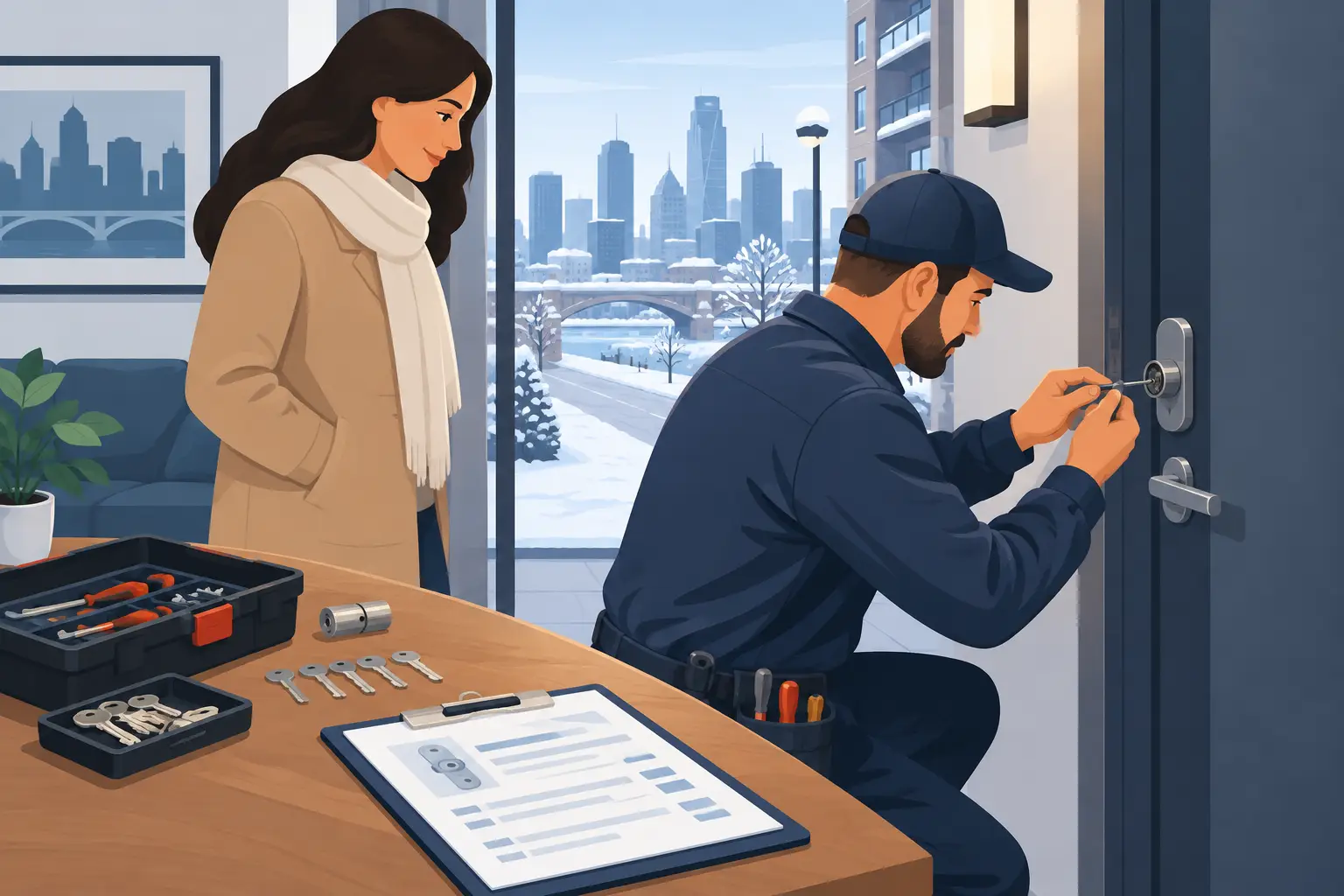
A mobile locksmith is often the practical choice because the technician brings extraction tools, key-cutting equipment, replacement hardware, and the experience to identify whether the lock is still reliable after the key comes out. Free Eagle Locksmith provides 24/7 mobile assistance across Minneapolis and the surrounding Twin Cities area, with technicians prepared for urgent home, office, and vehicle access problems.
Prevent the Next Broken Key
Once access is restored, ask why the key broke rather than treating it as bad luck. If the key was visibly bent, worn smooth, or difficult to insert, replace it before using it again. If the lock sticks, catches, or requires you to lift, pull, or push the door to turn the key, have the lock and door alignment inspected.
Keep exterior locks clear of moisture and debris, especially before a Minneapolis cold snap. Use a lock lubricant made for lock cylinders when appropriate, rather than household oil products that can collect dirt. Avoid heavy key rings in vehicle ignitions, and do not force a key that will not turn easily.
For property managers and business owners, consider having frequently used locks checked before they fail. Rekeying after tenant turnover, replacing worn hardware, and setting up a practical master-key system can reduce emergency calls while keeping access organized.
A broken key does not have to leave you stuck outside or worried about damage. Protect the lock, avoid improvised fixes, and get help before a small fragment becomes a bigger security problem. When you need to get back inside safely, a prompt professional response can make the rest of your day feel manageable again.