
A former tenant still has a key. Your purse or keys went missing. You just closed on a home with locks that appear to be in good condition. In each case, the question is usually the same: how much does rekeying cost, and is it enough to make the property secure again?
Rekeying is often one of the fastest, most affordable ways to regain control over who can enter your home, office, or rental property. Instead of replacing the entire lock, a locksmith changes the internal pin configuration so old keys no longer work. You receive a new key, while the lock hardware stays in place.
How Much Does Rekeying Cost?
For a standard residential lock, rekeying commonly costs less than full lock replacement because the existing hardware remains installed. The final price depends on the number and type of locks, the condition of the hardware, whether the locksmith is coming to you, and whether you need service outside regular business hours.
As a general planning range, homeowners may see a mobile service-call charge plus a per-lock rekeying charge. Standard locks are usually the most affordable. High-security cylinders, commercial lock systems, restricted keys, mailbox locks, and locks with worn or damaged parts can cost more. If your locks cannot be rekeyed or are no longer reliable, replacement hardware and installation will add to the total.
The clearest way to avoid surprises is to describe the situation before dispatch: how many doors need service, what type of property you have, whether you have a working key, and whether the job is urgent. A professional locksmith should explain the work needed and provide clear pricing before proceeding whenever the condition of the lock allows.
What Changes the Cost of Rekeying?
Rekeying is not a one-price service. A front door with a common deadbolt is a different job from a commercial property with multiple keyed entries and a master-key plan.
The number of locks and keyways
A home may have one deadbolt at the front door, but most properties have more entry points to consider. Back doors, garage entry doors, side doors, patio doors, storage rooms, gates, and mailbox locks may all need attention. Rekeying several compatible locks during one visit can be more cost-effective than arranging separate appointments.
There is also a difference between a lock and a keyway. A single door may have a knob lock and a deadbolt, and each cylinder may need to be rekeyed. If you want one new key to operate every exterior door, the locks must be compatible or adjusted with the right cylinders.
Lock type and hardware condition
Standard residential pin-tumbler locks are generally straightforward to rekey. The job becomes more involved when the hardware is high-security, antique, heavily worn, corroded, damaged after a break-in, or built into a commercial access system.
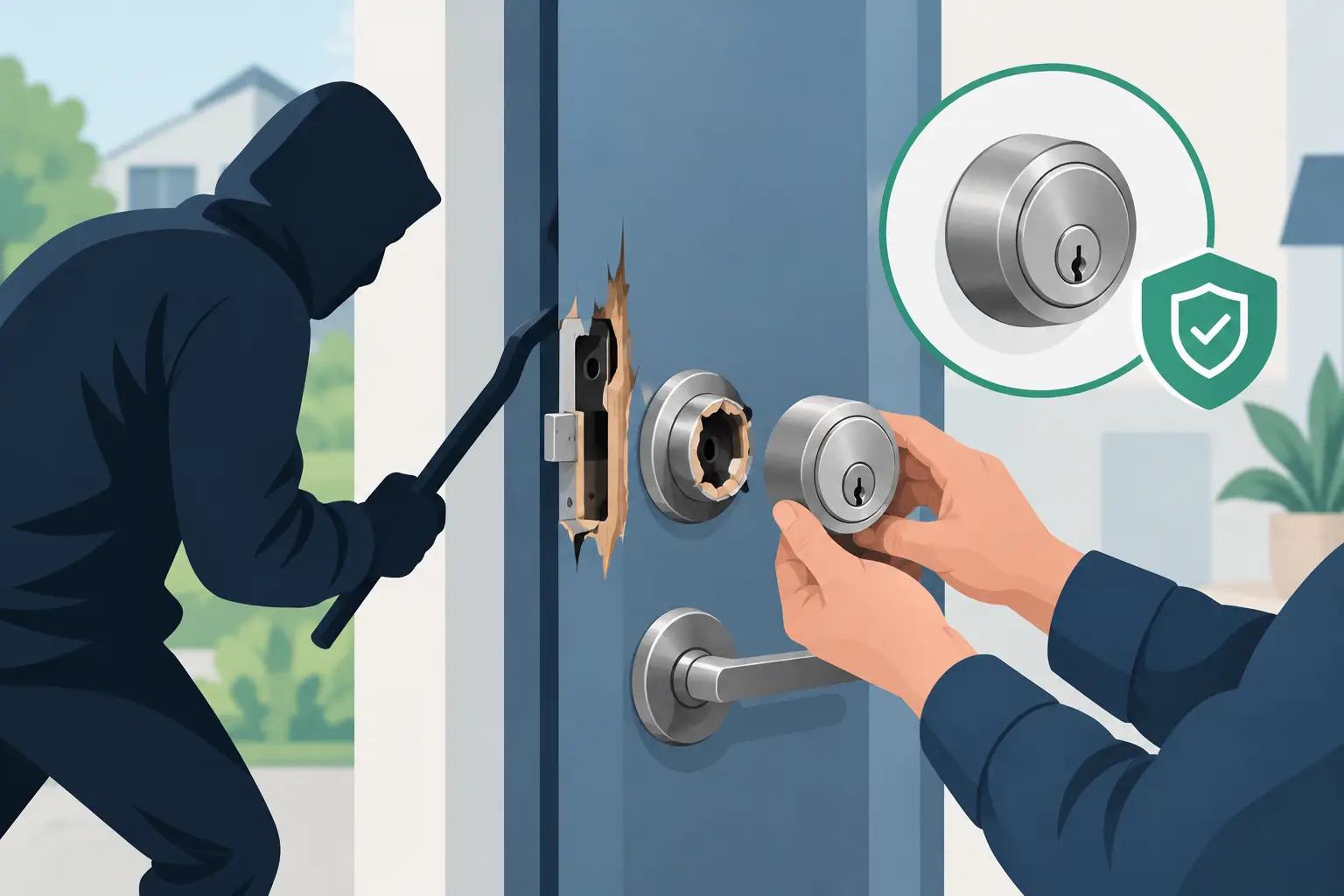
Sometimes a lock looks usable from the outside but has internal wear that causes sticking, key breakage, or unreliable latching. Rekeying a failing lock may solve the old-key problem without solving the security problem. In that situation, replacing the cylinder or the complete lock may be the smarter use of your money.
Mobile service and timing
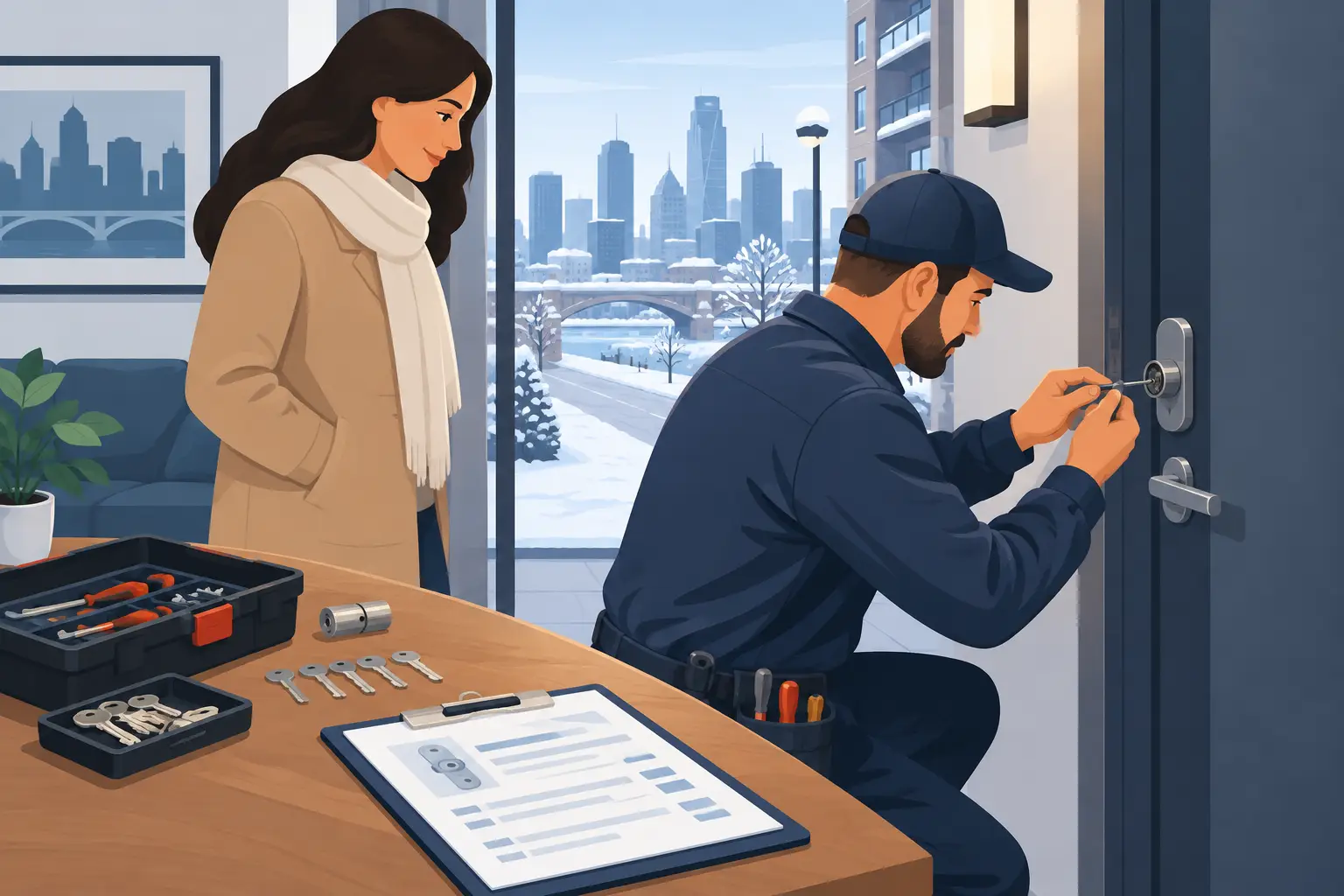
A mobile locksmith brings tools, keying equipment, replacement parts, and professional labor directly to your home, business, or roadside location. That convenience is part of the service cost, especially when you cannot safely wait or travel with the lock.
After-hours, weekend, holiday, and emergency calls may carry higher rates. If you are locked out, dealing with a break-in, or need to secure a vacant unit immediately, fast help matters. For a non-urgent rekey after a move, scheduling during standard daytime hours may help keep the job more economical.
Residential, rental, and commercial needs
A homeowner may only need two exterior doors rekeyed. A landlord may need an apartment turnover completed quickly, with a new key for the resident and controlled copies for management. A business may need multiple offices, supply rooms, exterior entrances, and staff access organized under a master-key system.
Commercial rekeying can cost more because it may involve more doors, stronger hardware, key-control requirements, and careful planning around employee or tenant access. But it can also prevent the much larger expense and disruption of replacing every lock after a keyholder change.
Rekeying vs. Replacing Locks: Which Is Better?
Rekeying is the practical choice when your existing locks are in good shape and you simply need old keys to stop working. It is particularly useful after moving into a property, losing a key, ending a roommate arrangement, changing tenants, or recovering from a key that was not returned.
Replacement makes more sense when the lock is damaged, outdated, difficult to operate, or unable to meet your security needs. You may also choose new locks when upgrading to a deadbolt, smart lock, high-security cylinder, or commercial-grade hardware.
The trade-off is simple: rekeying is usually less expensive because it uses what you already have; replacement provides the opportunity to improve hardware and security. A skilled locksmith can inspect the lock and help you choose based on its condition, not just the lowest immediate price.
Can All Locks Be Rekeyed?
No. Many common locks can be rekeyed, but not every lock is designed for it, and not every existing cylinder is worth saving. Some low-cost hardware is built as a replacement item rather than a serviceable lock. Others require specialized parts or manufacturer-specific keys.
Smart locks deserve a closer look. If the lock uses physical keys, the mechanical cylinder may be rekeyable, but the electronic access settings should also be updated. Remove old user codes, delete former users from the app, change administrator credentials, and check any backup keys. A code change alone does not protect you if someone still has a working physical key.
For commercial properties, restricted-key and master-key systems need special care. Rekeying one door without considering the larger key hierarchy can create access problems for managers, maintenance staff, or emergency personnel. Planning the system first prevents expensive corrections later.
Ways to Keep Rekeying Costs Under Control
Start by deciding which doors actually need to be secured. Exterior entry doors should be the priority. Interior doors, garage entries, storage areas, and shared-access spaces can be added based on what is at risk.
If possible, have the locksmith rekey compatible locks in one visit and ask for all locks to be keyed alike. One key for the main entries is more convenient, and combining the work can reduce repeat service-call costs. Keep in mind that not every brand or style of lock can be keyed alike without changing cylinders or hardware.
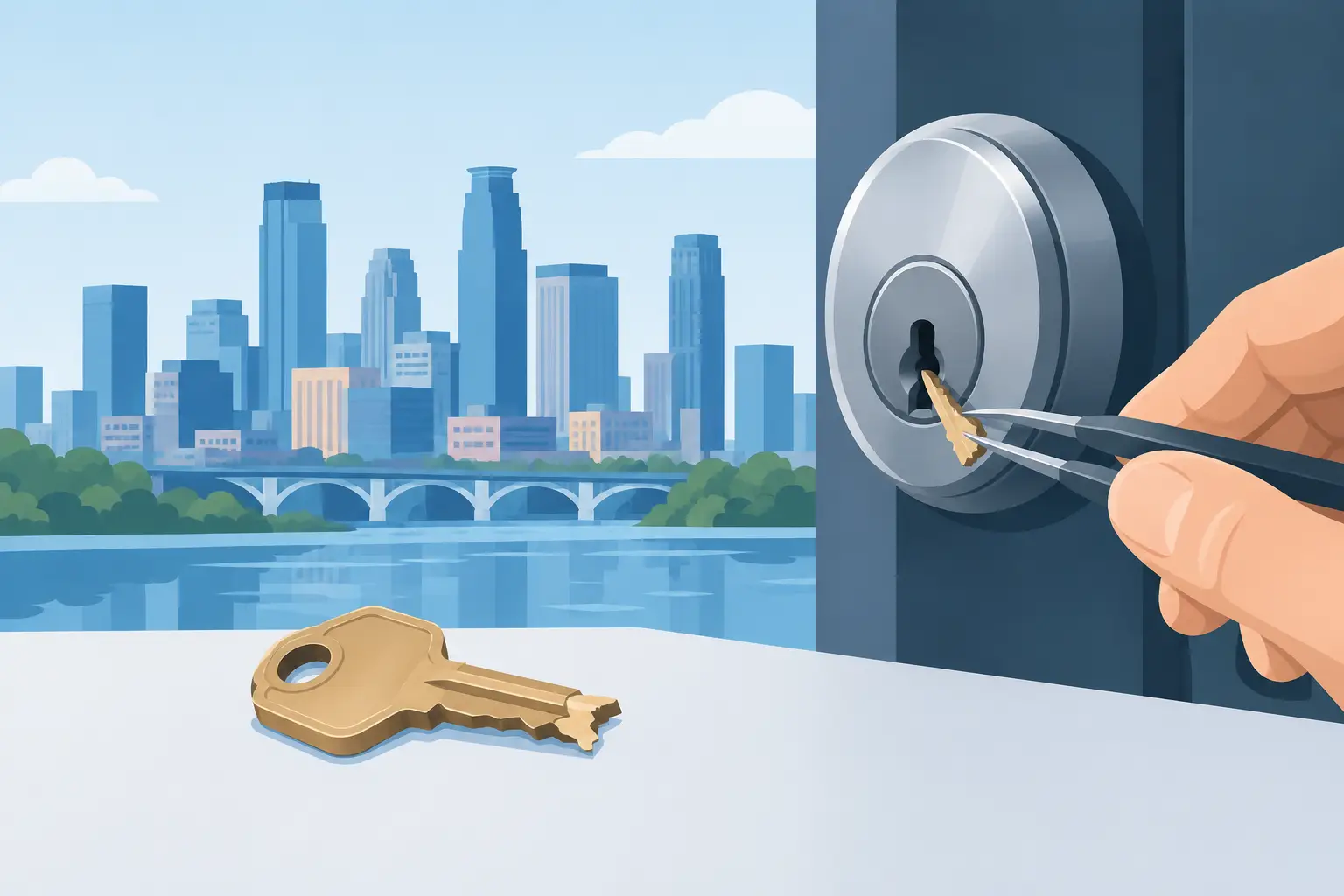
Be ready to share the lock brand, photos of the door hardware if available, and the number of locks involved. This helps the technician arrive prepared. It also helps distinguish a straightforward rekey from a job that may require replacement parts, broken-key extraction, door adjustment, or security upgrades.
Do not choose solely on the lowest advertised number. A very low quote may not include mobile travel, labor, extra keys, service after hours, or needed hardware. Honest pricing means understanding what work is included before the locksmith starts.
When Rekeying Should Happen Right Away
Some situations should not wait for a convenient appointment. Rekey promptly after a burglary or attempted break-in, a stolen key ring with identifying information, a contentious move-out, employee termination involving key access, or a lost master key. The longer old keys remain active, the longer your property stays exposed.
If you are in the Minneapolis-St. Paul area and need immediate help, Free Eagle Locksmith provides mobile, 24/7 locksmith service for homes, businesses, and property managers. A prepared technician can assess whether your current locks can be rekeyed, explain the options, and restore control of your access as quickly as possible.
A new key is not just a convenience after a move or lost key. It is a clear line between past access and your current security. If you do not know who may still have a key, rekeying is often the sensible next move.