
The moment you get back inside is not always the end of the problem. Knowing what to do after lockout can protect your property, prevent another stressful delay, and help you spot a lock or key issue before it becomes an emergency again. Whether you were locked out of your home, vehicle, office, or rental property, take a few minutes to make sure access and security are fully restored.
Start With Safety and a Quick Check
Before focusing on replacement keys or upgrades, check that everyone is safe. If a child, pet, older adult, or vulnerable person was left inside a locked home or vehicle, treat that as an urgent situation. Call emergency services when there is an immediate risk from heat, cold, medical needs, or danger inside the property.
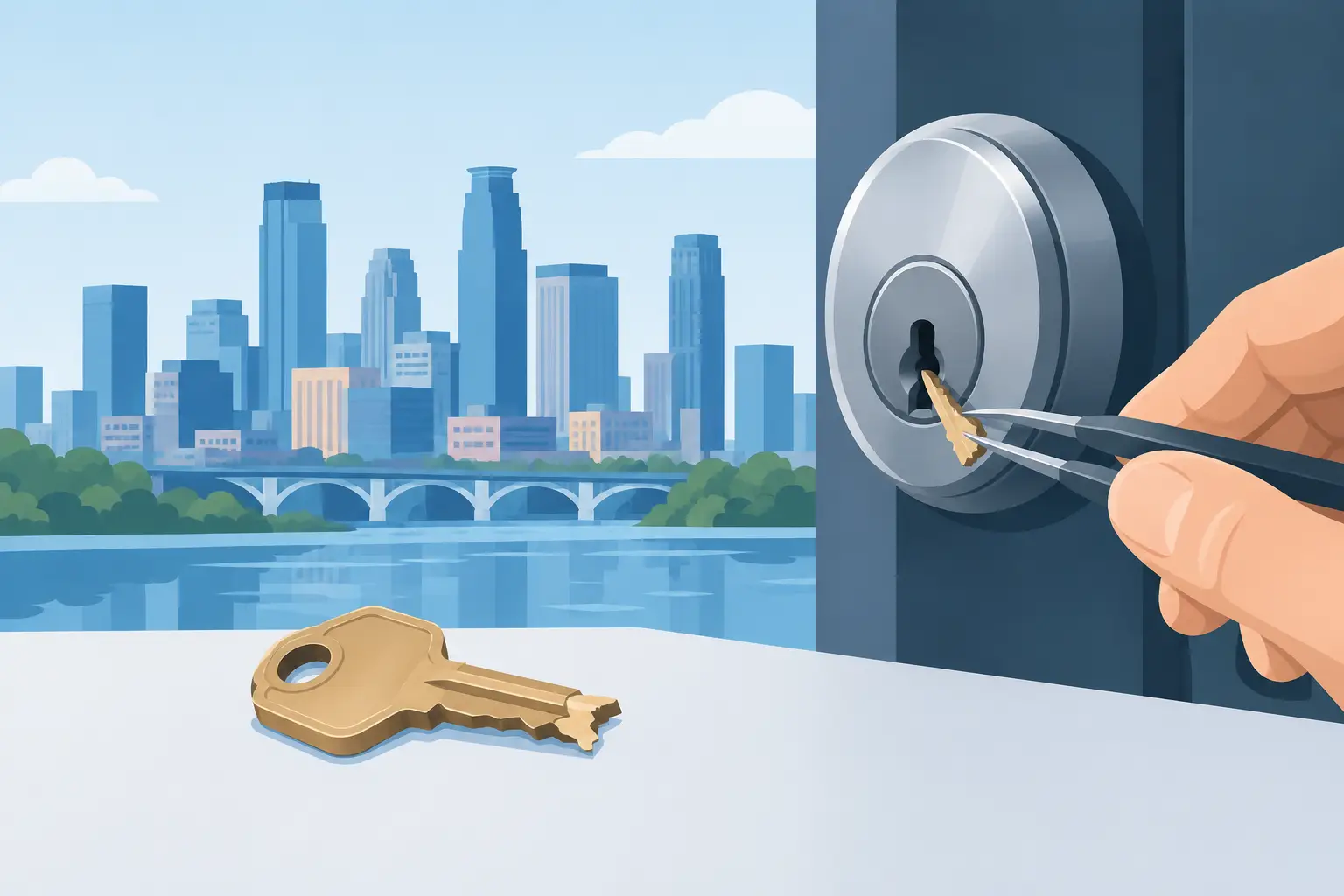
Once access has been restored, look at the door, lock, key, and surrounding frame. A rushed attempt to get in can leave behind a bent latch, loose deadbolt, damaged weatherstripping, or a key that no longer turns smoothly. Do not ignore a lock that feels stiff after a lockout. A small mechanical problem can turn into a broken key, a failed lock, or another late-night call later.
For a vehicle lockout, check that the doors lock and unlock normally, the key fob works, and no window seal or door edge was damaged. If your keys were lost rather than simply locked inside, do not leave the vehicle parked somewhere exposed for long. A lost key can create a security problem even after you are back on the road.
What to Do After a Home Lockout
A home lockout can happen because a key was forgotten, a lock jammed, a key broke, or someone else has a key that no longer works. The right next step depends on why you were locked out.
If the lock was opened without damage and all keys are accounted for, making a spare key may be enough. Keep that spare with a trusted person or in a secure location away from obvious hiding places. Avoid placing it under a mat, planter, or fake rock. Those spots are easy for someone else to check.
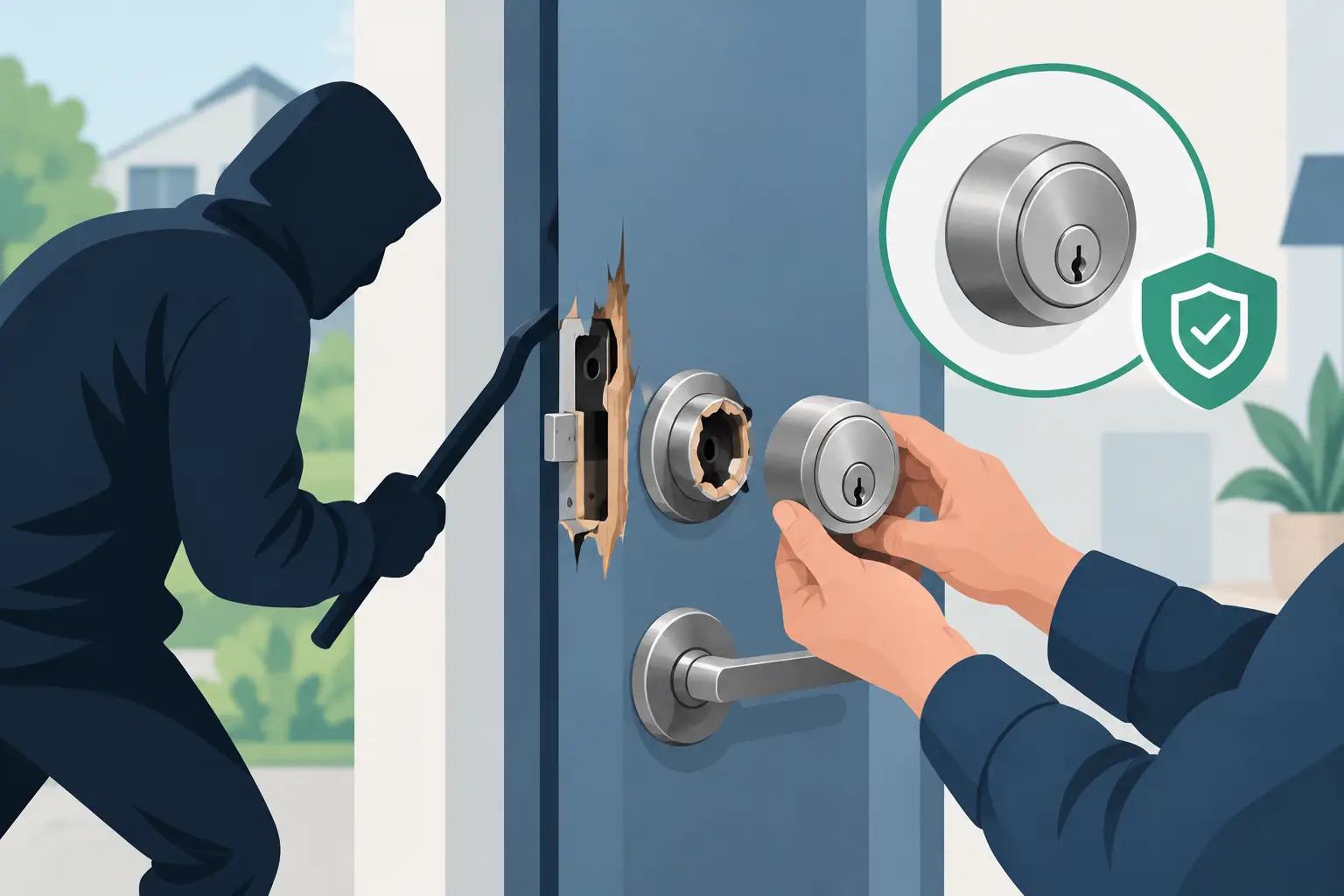
If your keys are missing, your bag was stolen, or you are unsure who may have access to your home, rekeying is usually a smarter choice than waiting. Rekeying changes the lock so old keys no longer work. It can be a practical option when the existing hardware is in good condition but control over the keys has been lost.
Replace the lock when it is damaged, outdated, repeatedly sticking, or does not provide the level of protection you need. A locksmith can also check whether your strike plate, door frame, and deadbolt installation are supporting the lock properly. A strong lock installed on a weak frame still leaves a weak point at the door.
If You Rent Your Home
Tell your landlord or property manager about the lockout, especially if a lock was damaged or keys were lost. Do not change locks without reviewing your lease or getting permission where required. Many rentals have key-control policies, and management may need to update its records or provide an approved replacement key.
If you just moved in, a lockout is also a good reminder to ask whether the locks were rekeyed between tenants. You should know exactly who has authorized access to your home.
What to Do After a Car Lockout
After a car lockout, put your attention on your keys, not just the open door. If the keys were locked inside the vehicle, consider how that happened. Some vehicles have automatic locking features, while others lock when a fob is left in the cabin or when a door is shut too quickly during a busy stop.
Test your spare key and key fob as soon as possible. A weak fob battery can create confusing access problems that seem random at first. If your key is cracked, badly worn, or difficult to turn in the ignition, get it checked before it fails completely.
A lost vehicle key requires more than a replacement in many cases. Depending on the vehicle, the old key may need to be removed from the vehicle’s system so it cannot start the car if someone finds it. This is especially relevant for transponder keys, smart keys, and push-button-start vehicles.
Do not leave registration documents, garage remotes, or paperwork showing your home address in an unattended vehicle after losing keys. If both the keys and identifying documents are missing, consider the risk to your home as well as your car.
What to Do After an Office or Business Lockout
Business lockouts carry a different kind of pressure. Employees may be waiting outside, customers may be affected, and sensitive equipment or records may be inside. Once the door is open, do not assume the issue is solved if multiple people use the same entrance.
Find out whether the lockout came from a misplaced key, an employee change, a malfunctioning lock, or a problem with an access-control system. If a former employee, contractor, or vendor may still have a key or code, change access promptly. Delaying that decision can put inventory, confidential information, and staff safety at risk.
For businesses with several keys in circulation, a master-key system or structured key-control plan can reduce confusion. The trade-off is that master-key systems need careful management. The more access one key provides, the more important it is to document who holds it and when it must be returned.
Facility managers should also inspect emergency exits and verify that any lock work preserves proper exit access. Security upgrades should never interfere with safe evacuation requirements.
Avoid the Mistakes That Cause Another Lockout
The fastest way to prevent a repeat lockout is to fix the habit or equipment issue that caused the first one. Start with a reliable spare-key plan. One spare can stay with someone you trust, while another may be kept in a secure, purpose-made lockbox if that arrangement makes sense for your property.
For households and businesses, make sure every authorized person knows which doors automatically lock and which keys belong to which entry. Label keys discreetly, without including your address. If you use a keypad or smart lock, update codes after a roommate moves out, an employee leaves, or a code has been shared too widely.
It also helps to check locks before they fail. Warning signs include a key that catches, a deadbolt that needs to be pushed or pulled to turn, a loose lock cylinder, or a door that no longer lines up cleanly with the frame. These issues can often be repaired before they leave you standing outside.
Know When to Call a Locksmith
A professional locksmith is the right call when a key is broken, the lock is damaged, keys are lost, a vehicle key needs programming, or you are concerned that someone else may have access. Trying to force a lock can damage the door, vehicle, or lock hardware and often costs more to repair than getting help in the first place.
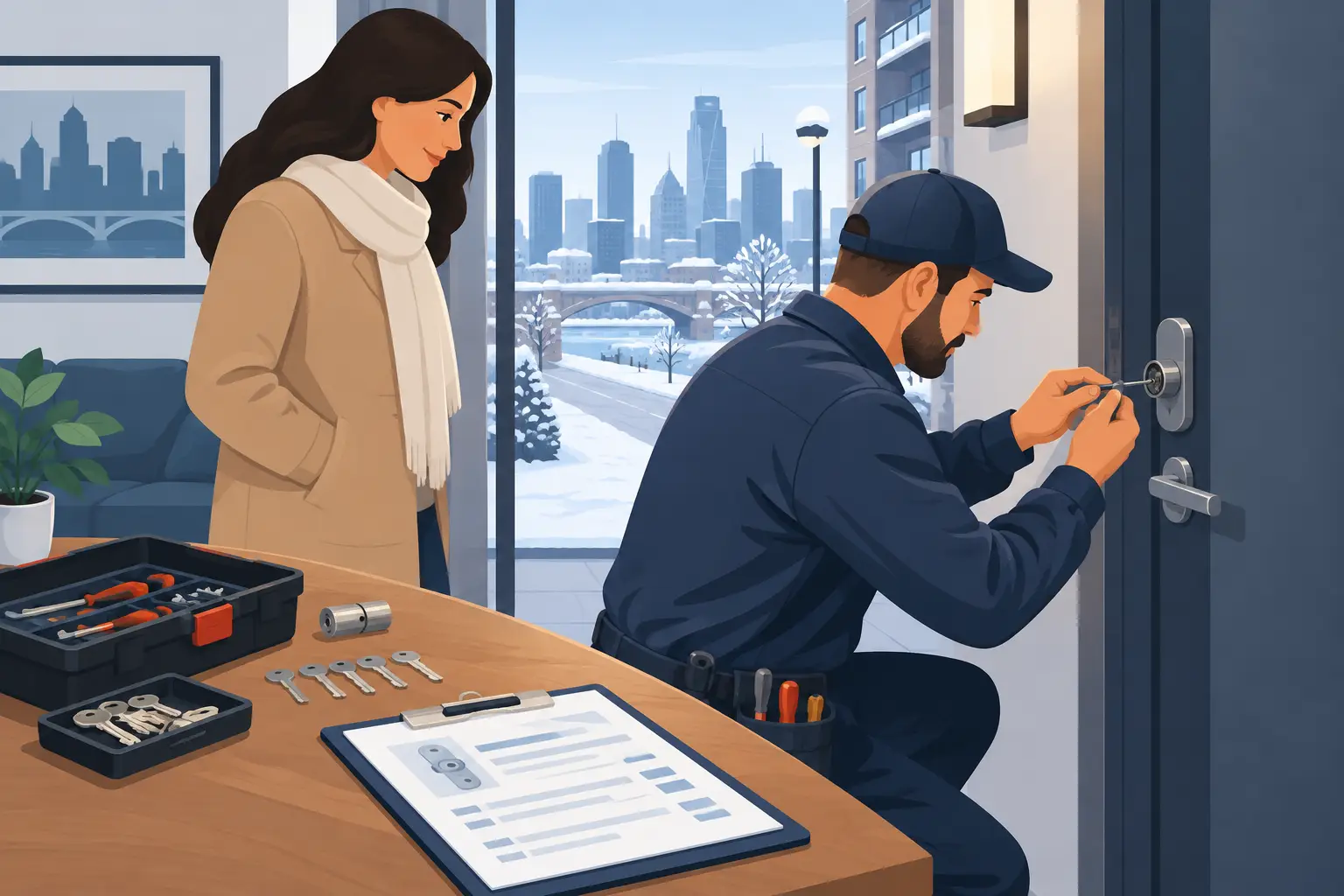
For Twin Cities residents, drivers, property owners, and businesses, Free Eagle Locksmith provides mobile emergency help for home, office, and vehicle lockouts, along with rekeying, lock repair, replacement keys, and security upgrades. A prepared technician can restore access while also checking whether the lockout revealed a larger security issue.
When calling any locksmith, give a clear location, explain whether the keys are locked inside or missing, and describe the type of door, vehicle, or lock if you know it. Ask about the expected arrival time and pricing before work begins. Clear information helps the technician arrive prepared and helps you make a confident decision under pressure.
A lockout is frustrating, but it can also be a useful warning. Take care of the key, lock, or access-control problem while it is fresh, and your next trip out the door is far less likely to end with you stuck on the wrong side of it.