
A deadbolt that looks secure can still leave a door vulnerable if the strike plate is weak, the screws are too short, or the lock does not fit the door correctly. When you install high security door locks, the goal is not just to add tougher hardware. It is to strengthen the entire entry point so your home, office, rental property, or facility has better protection where it matters most.
For Twin Cities property owners, a lock upgrade often follows a move, lost keys, employee turnover, a damaged door, or a break-in. It can also be a smart planned improvement before a problem happens. The right lock can limit unauthorized key copying, resist common forced-entry attempts, and give you more confidence when you close the door at night.
Start With the Door, Not the Lock
High-security hardware cannot make up for a failing door frame. Before choosing a lock, inspect the condition of the door, jamb, hinges, and strike area. A solid wood or metal exterior door is usually a better candidate than a thin hollow-core door. If the frame is split, soft from water damage, loose, or visibly cracked near the latch, repair it first.
Look at the gap around the door as well. A door that shifts in the frame may not allow the deadbolt to extend fully into the strike. That creates a security issue and can also make the lock hard to operate. A professional locksmith can often correct alignment problems during installation, but major frame damage may require a door or carpentry repair before new hardware goes in.
For commercial doors, check the door material and existing preparation. A glass storefront door, aluminum door, steel service door, and wood office door use different lock bodies, cylinders, and mounting methods. Selecting hardware that matches the door is as important as selecting a recognized security level.
What Makes a Lock High Security?
A high-security lock is more than a standard deadbolt with a higher price tag. It is designed to address specific weak points that ordinary residential locks may not handle as well. Features vary by manufacturer and application, but quality high-security options often include stronger bolt construction, drill-resistant components, pick-resistant cylinder design, and restricted keyways.
Restricted keyways are especially useful for landlords, business owners, and facility managers. They help control who can duplicate keys and make key management more accountable. That does not mean keys can never be copied. It means copies are handled through authorized channels rather than made casually at any key kiosk.
The best choice depends on the property. A homeowner may need a high-quality single-cylinder deadbolt with protected keys. A small business may need a commercial-grade cylinder and a key system that allows one manager key to open multiple doors. A warehouse, clinic, or multi-tenant building may need a master-key plan with different access levels for staff, maintenance, and management.
Do not assume the highest-priced lock is automatically the right one. A lock that is difficult to use, incompatible with the door, or poorly installed can create problems without delivering the security you expected.
Choose the Right Type of High-Security Lock
For most homes, a deadbolt remains the first line of defense on an exterior hinged door. Choose a lock designed for exterior use and pair it with a reinforced strike plate. The deadbolt should throw fully into the frame and operate smoothly without forcing the key or thumbturn.
Single-cylinder deadbolts use a key outside and a thumbturn inside. They are common on residential doors and allow quick exit from the inside. Double-cylinder deadbolts require a key on both sides. While some owners consider them for doors near glass, they can create a safety concern during an emergency because occupants need the key to exit. Local code requirements and the door’s purpose should guide that decision.
For businesses, a commercial lever, mortise lock, rim cylinder, or panic hardware may be a better fit than a residential deadbolt. Commercial doors must balance security with safe, code-compliant exit. A locksmith can identify whether your existing door uses cylindrical, mortise, or exit-device hardware before ordering a replacement.
Smart locks can add convenience, but they are not automatically high security. If you choose electronic access, consider battery backup, physical key override options, user-code management, audit features, and the ability to remove access quickly when an employee or tenant leaves. For a business, the simplest system that your team can manage correctly is often the better system.
How to Install High Security Door Locks Correctly
Installation begins with accurate measurements. Confirm the door thickness, backset, bore-hole size, edge preparation, and distance between the deadbolt and existing handle. High-security locks are not always universal, and forcing an incompatible lock onto a door can weaken the installation or damage the hardware.
Remove the old lock carefully and inspect the existing holes. If the new lock requires a different bore size or a new location, precision matters. A hole drilled off center can cause binding, leave gaps around the trim, or prevent the bolt from lining up with the strike. On metal doors, the wrong drilling method can damage the finish and compromise the door.
Install the exterior and interior portions of the lock according to the manufacturer’s instructions. Keep the lock level, avoid overtightening the mounting screws, and make sure the cylinder is secure without being pinched. The key should turn freely before the door is closed.
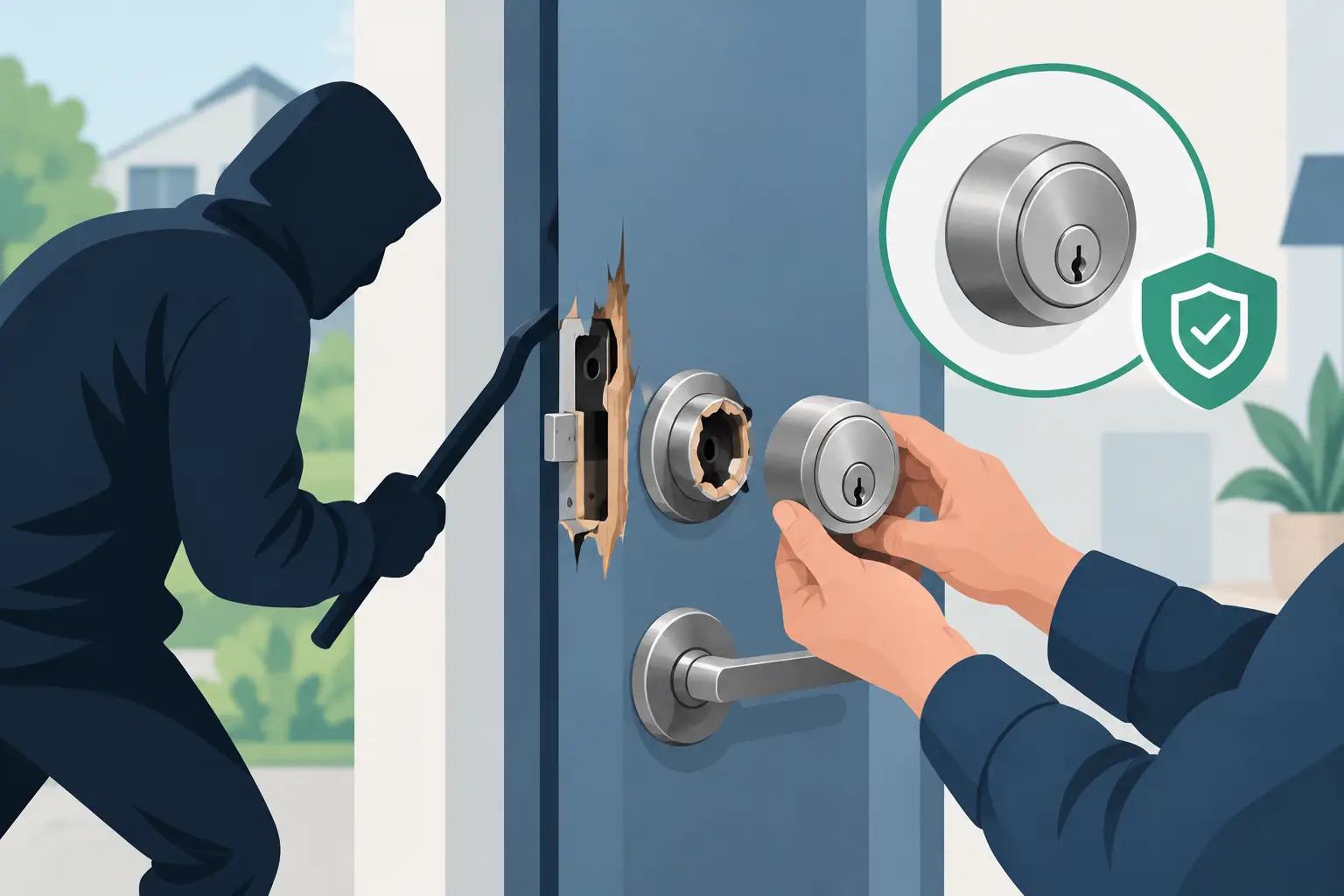
The strike plate deserves equal attention. Replace a thin, short strike with a heavy-duty plate that spreads force across more of the frame. Use long screws that pass through the jamb and anchor into the wall framing when the door construction allows it. Short screws that only bite into trim are a common weak point.
Then test the lock repeatedly with the door open and closed. The bolt should extend completely without lifting, pulling, or pushing the door into position. If it drags, do not ignore it. A lock that binds today can become a lockout tomorrow, especially during Minnesota temperature swings that cause doors and frames to shift.
Common Mistakes That Reduce Security
The most frequent installation mistake is treating the lock as a stand-alone product. A strong cylinder on a weak strike plate does not provide balanced protection. The same is true when a new deadbolt is installed on a loose door, damaged frame, or exposed hinge side.
Another mistake is reusing old keys after a move or personnel change. If you do not know who has copies, rekeying or replacing the lock should be part of the security plan. For commercial properties, keep a record of issued keys, returned keys, and authorized key holders. That small step prevents a lot of uncertainty later.
Avoid placing decorative hardware ahead of function. Finish, style, and smart features are worthwhile considerations, but they should come after fit, durability, key control, and proper reinforcement. A good lock should work reliably in daily use, not just look secure from the sidewalk.
Finally, do not delay after a break-in or attempted break-in. Even if the door still closes, the strike area, frame, latch, or cylinder may have been weakened. Fast replacement protects the property and restores peace of mind.
When to Call a Professional Locksmith
Some standard lock replacements are manageable for experienced property owners, especially when the new hardware matches the existing door preparation. High-security upgrades become more technical when you need restricted keys, master-key systems, commercial hardware, door reinforcement, electronic access, or repairs after forced entry.
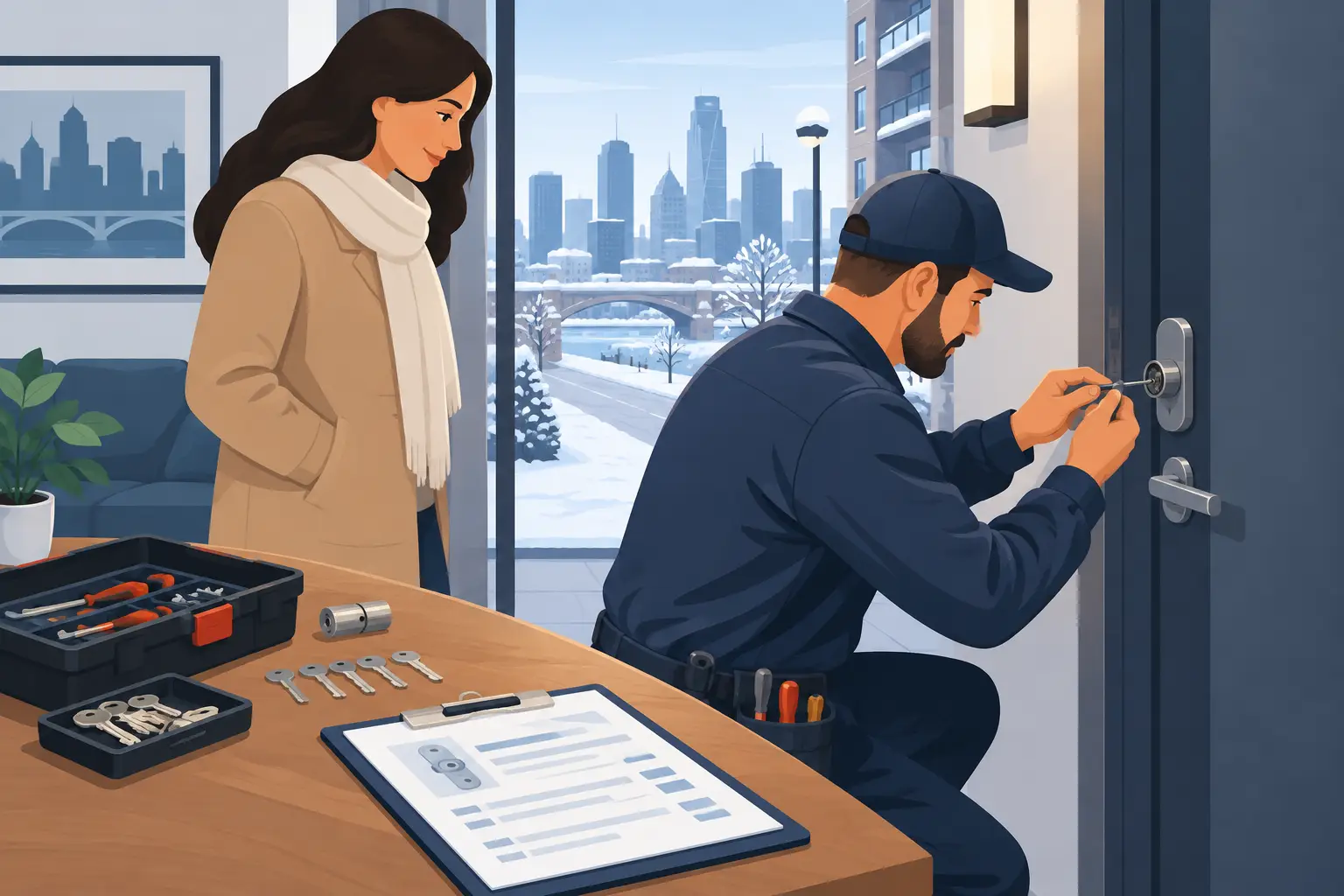
Professional installation is also a better choice when the door is misaligned, the lock has failed, or you need security restored quickly. Free Eagle Locksmith provides mobile locksmith service across Minneapolis, Saint Paul, Coon Rapids, and the surrounding Twin Cities area, with prepared technicians for emergency lock issues and planned security upgrades.
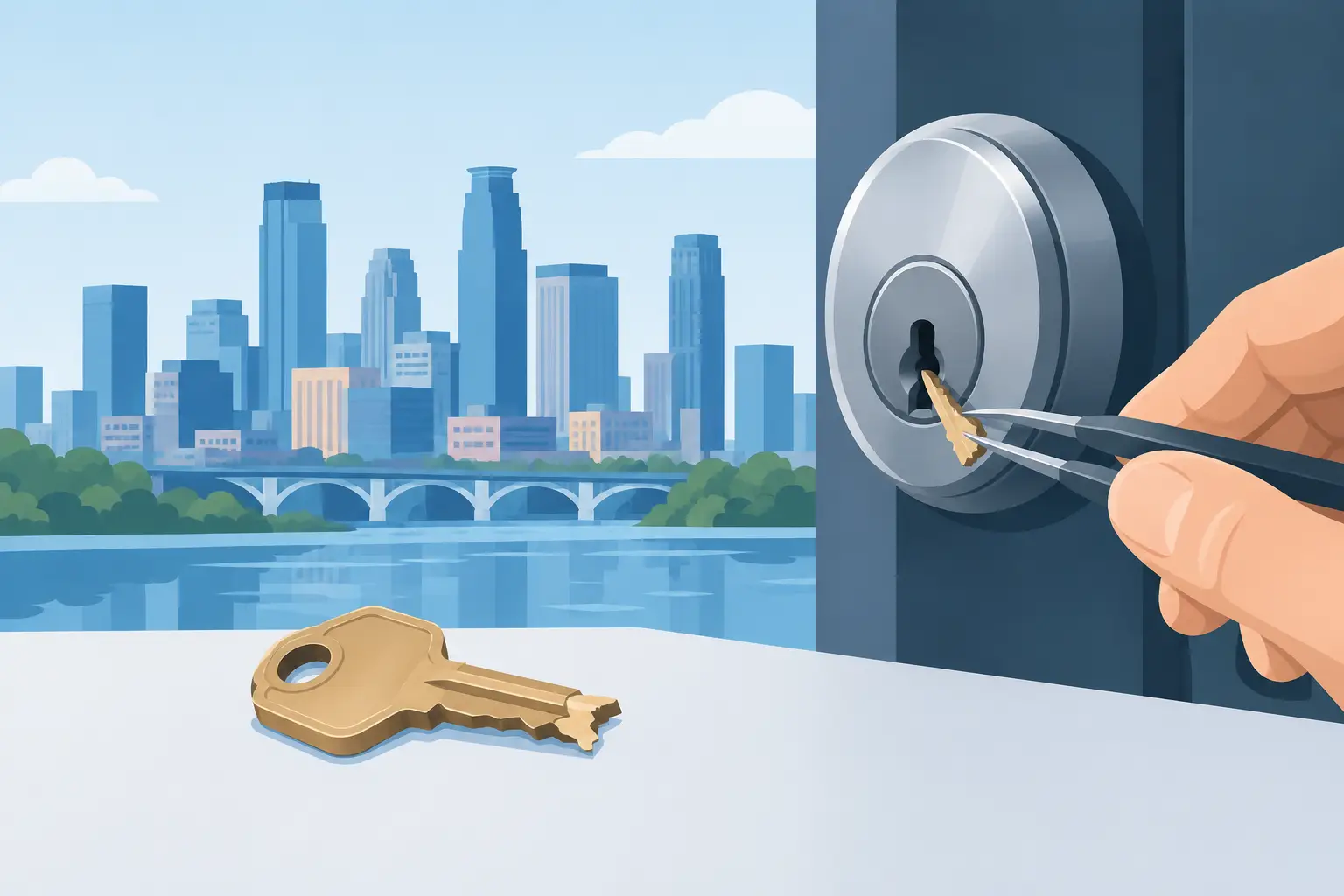
If a lock is difficult to turn, the key was lost, or the door was damaged, do not wait for a complete failure. The right high-security lock, fitted to a sound door and frame, gives you a stronger barrier and a clearer sense of control every time you leave the property.