
A key that suddenly resists turning can turn an ordinary trip out the door into a real problem. If you are asking, why does my key stick, the cause may be as simple as pressure on the door or as serious as a worn-out lock cylinder. The most important rule is simple: do not force it. A stuck key can bend, snap, or leave you locked out with a broken piece trapped inside.
The right next step depends on where the key is sticking. A house key that goes in but will not turn has different likely causes than a car key stuck in the ignition. Knowing the difference can save time, prevent lock damage, and help you decide when it is time to call a locksmith.
Why does my key stick in a door lock?
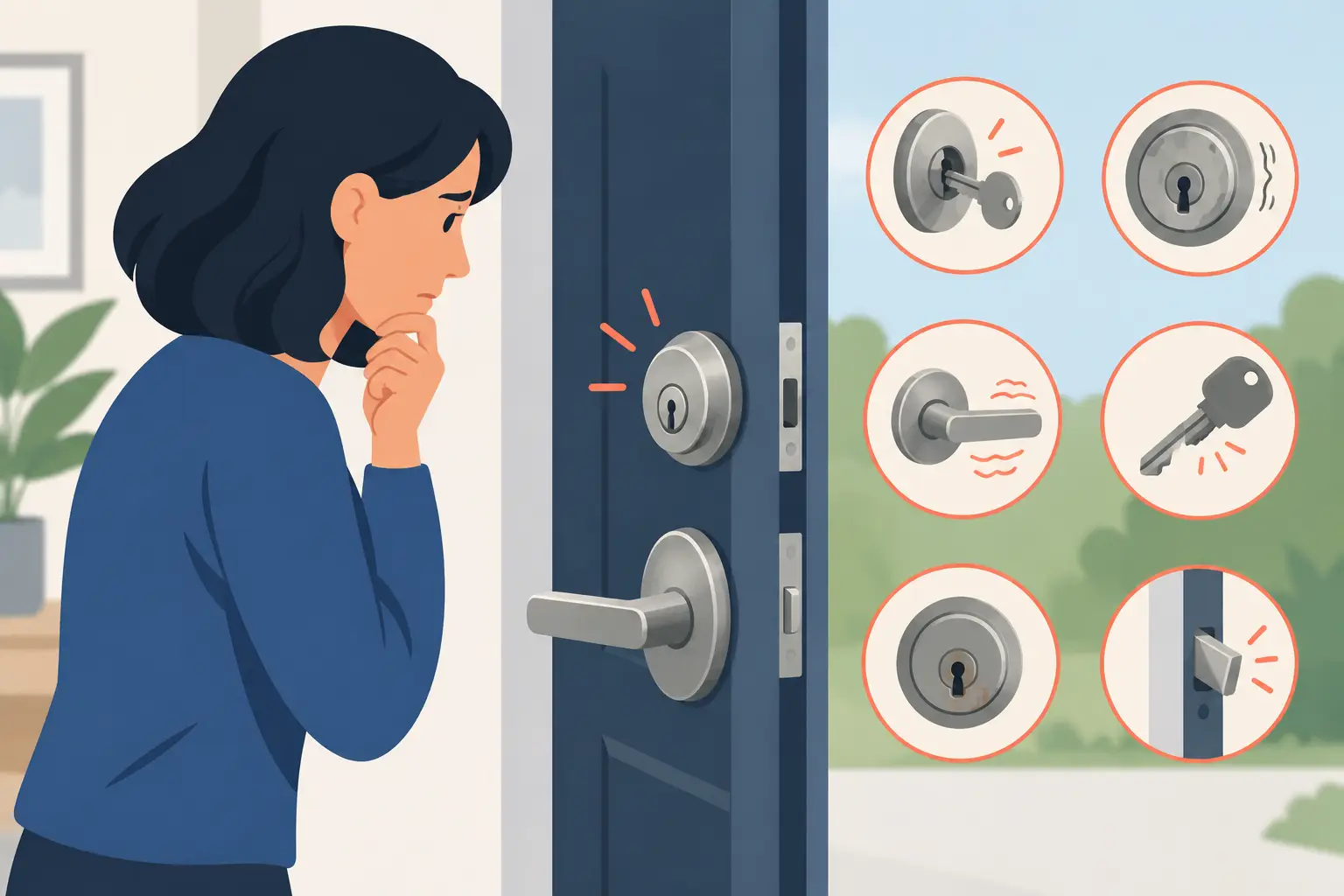
Most door-lock trouble comes down to one of three things: the key is worn or damaged, the lock cylinder is dirty or worn, or the door is putting pressure on the lock. Minnesota weather can make each problem worse. Moisture, freezing temperatures, road salt, and repeated expansion and contraction can all affect exterior hardware.
The key is worn, bent, or copied from a copy
Keys wear down gradually. The sharp cuts on the blade become rounded after years of use, especially when a key is used several times a day. A worn key may slide into the keyway but fail to lift the lock pins to the correct height, so it sticks or turns only after repeated wiggling.
Look closely at your key under good light. A bent blade, cracked head, rough edge, or visibly rounded cuts can cause trouble. This is common with keys copied from another copy rather than cut from the original. Each generation of copies can lose a little accuracy.
Try a spare key if you have one. If the spare works smoothly, stop using the problem key and have a new one cut from the original key or the proper key code. Do not keep forcing a bent key into a lock. It can break at the weakest point and create a more urgent repair.
Dirt, debris, or dried lubricant is inside the cylinder
Door locks collect dust, pocket lint, metal shavings, and moisture over time. Exterior locks are particularly exposed. Old lubricant can also thicken into a sticky residue that traps debris instead of helping the pins move.
A lock-specific dry lubricant, such as graphite or a PTFE-based lock lubricant, may help if the key is clean and the cylinder otherwise appears sound. Use only a small amount and work the key gently in and out. Too much product can create its own buildup.
Avoid household oil, cooking spray, grease, and heavy general-purpose lubricants. They may feel helpful for a day, but they often attract dirt and leave the cylinder worse than before. If the lock remains stiff after careful cleaning and proper lubrication, the internal pins or springs may be worn or damaged.
The door is out of alignment
If your key turns easily when the door is open but sticks when the door is closed, the key is probably not the real issue. The latch or deadbolt may be under pressure because the door has shifted, the strike plate is misaligned, or weather has caused the frame to swell or move.
Try gently pulling the door toward you, pushing it inward, or lifting slightly on the handle while turning the key. Do not yank or put your full weight on it. If changing the pressure lets the key turn, the lock likely needs an alignment adjustment rather than a new key.
A sagging door, loose hinges, or a shifted strike plate can eventually damage the deadbolt and cylinder. This is especially worth fixing at a rental property, office, or storefront, where the same stubborn lock may leave employees or tenants unable to secure the building.
Cold weather has frozen the lock
A frozen lock is a familiar Twin Cities problem. Moisture inside the keyway or cylinder can freeze overnight, leaving the key difficult to insert or impossible to turn. Do not pour hot water into the lock. It can refreeze quickly and may push more moisture into the mechanism.
Use a lock de-icer designed for the job, then insert the key slowly. Warming the key in your hands can help, but do not use an open flame. If the key enters but the cylinder still will not turn, do not keep twisting. The lock could be frozen deeper inside or already damaged.
When the key sticks in your ignition
A vehicle key may stick because of the key itself, the ignition cylinder, or a safety feature built into the car. The best approach is calmer than the moment feels, particularly if you are stranded in a parking lot or on the roadside.
First, make sure the vehicle is fully in Park. In many automatic vehicles, the ignition will not release or turn correctly unless the shifter is firmly seated. Press the brake, move the shifter into Park again, and then try the key without force.
Next, check the steering wheel. If the wheel was turned after the engine was shut off, it may have engaged the steering lock. Apply light pressure to the steering wheel in the direction it can still move while gently turning the key. It should release without aggressive twisting.
If the key is hard to insert or only works at a certain angle, a worn ignition key or ignition cylinder is likely. Car keys endure a lot of abuse on heavy key rings, and the cylinder pins can wear after years of driving. Remove extra weight from the key ring and try a spare key if available.
Do not spray random lubricants into a modern ignition. Ignition cylinders, electronic components, and anti-theft systems are not something to guess at. A transponder chip issue usually prevents the vehicle from starting after the key turns; it does not usually make the key physically stick. That distinction can help a technician find the real issue faster.
Safe steps to try before the key breaks
When a key is sticking, move slowly. Small, controlled attempts are far safer than one hard twist. Start by checking whether the key is fully inserted and oriented correctly. Then use a spare key if you have one.
For a door lock, take pressure off the latch or deadbolt by gently pushing, pulling, or lifting the door while turning the key. For a car, confirm Park and release steering-wheel pressure. If debris or dry friction seems likely, use a small amount of lock-safe dry lubricant.
Stop immediately if the key bends, makes a grinding sound, feels like it may snap, or requires increasing force. A broken key inside a lock can prevent access altogether and may damage internal components if someone tries to dig it out with a paper clip, knife, or pliers.
When to call a locksmith for a sticking key
Call for professional help when the key will not turn after basic, gentle checks, when it is partially broken, or when the lock is showing signs of failure. This is not a problem to put off if it is your main entry door, office door, or vehicle ignition. A lock that sticks today can leave you out in the cold tomorrow.
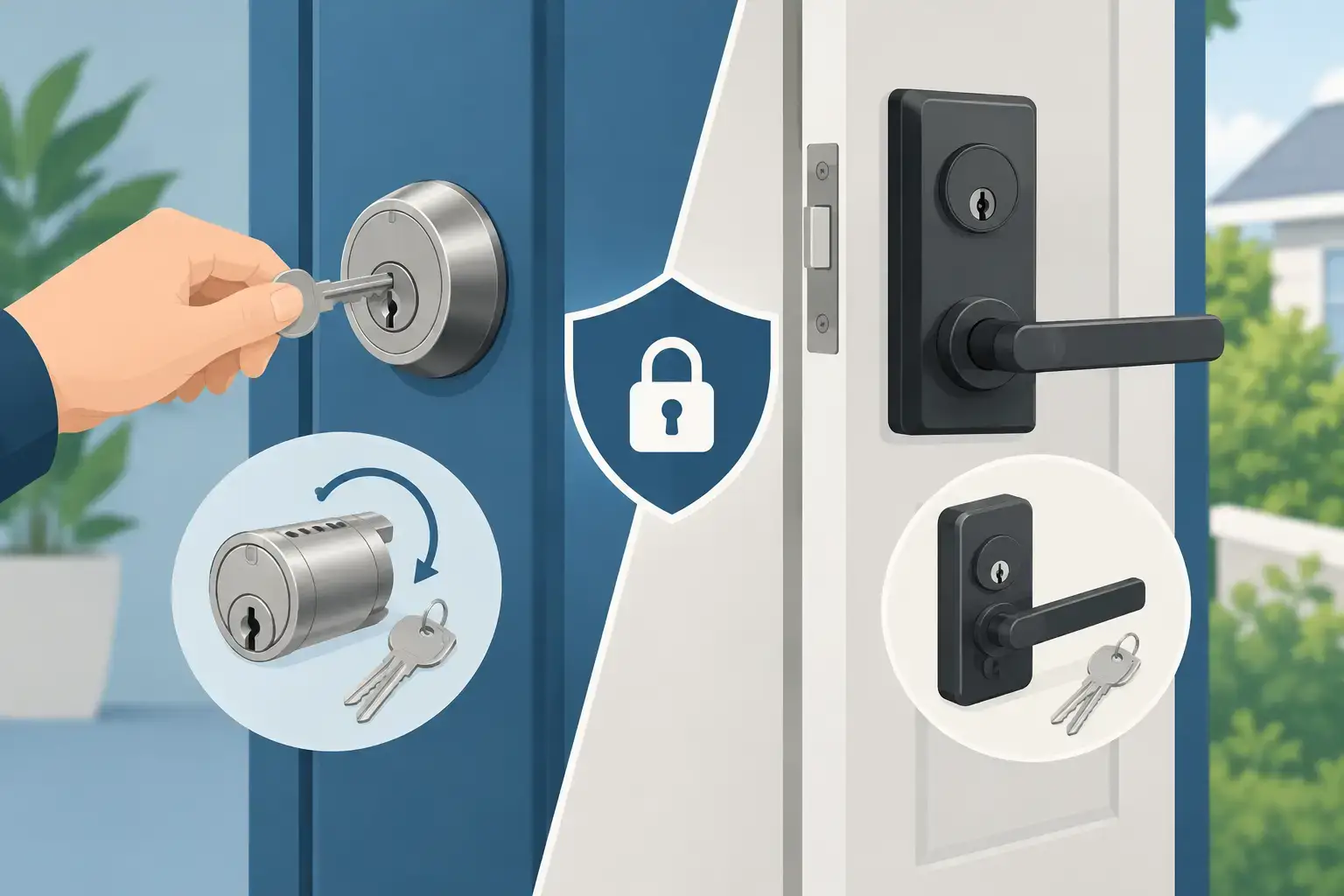
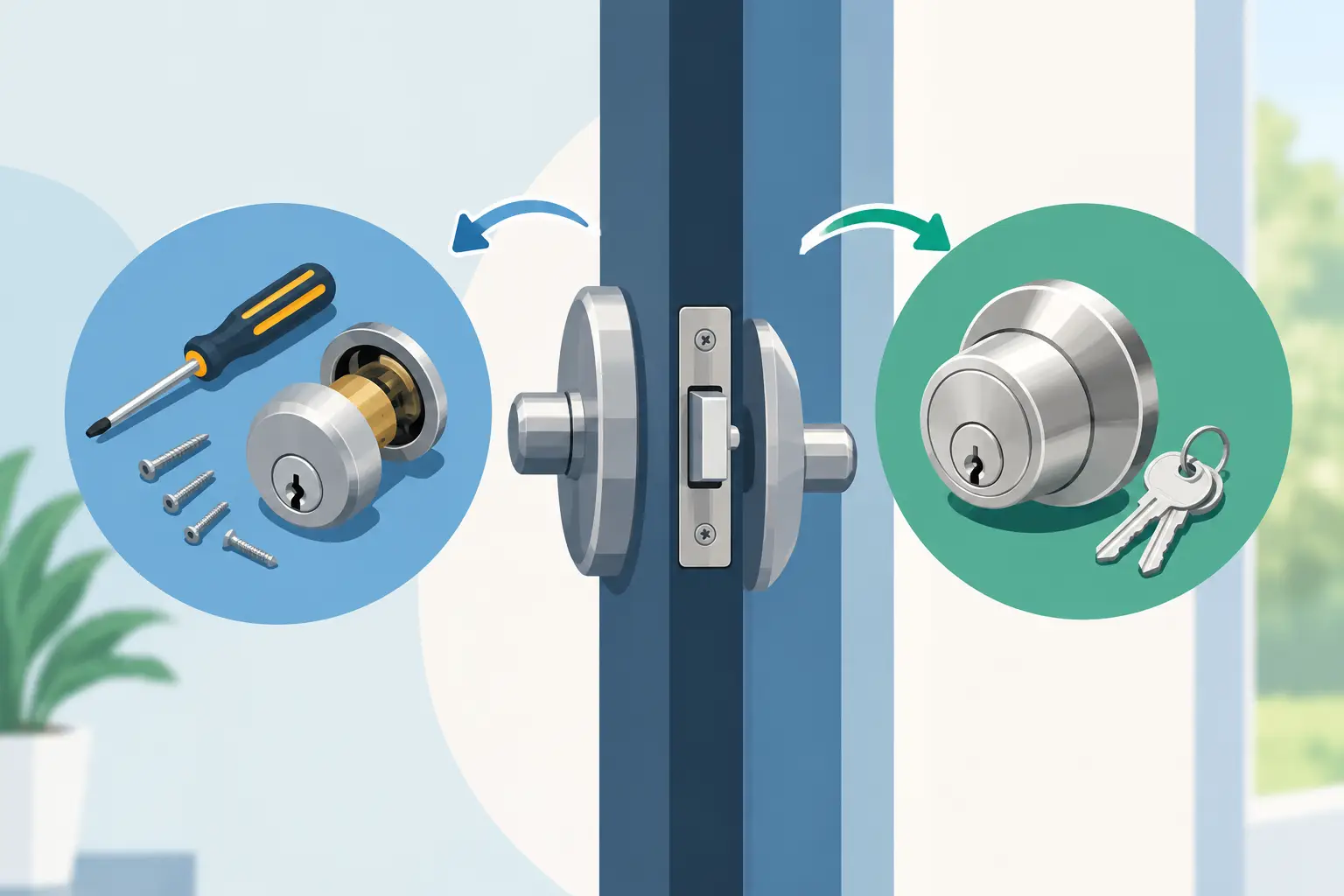
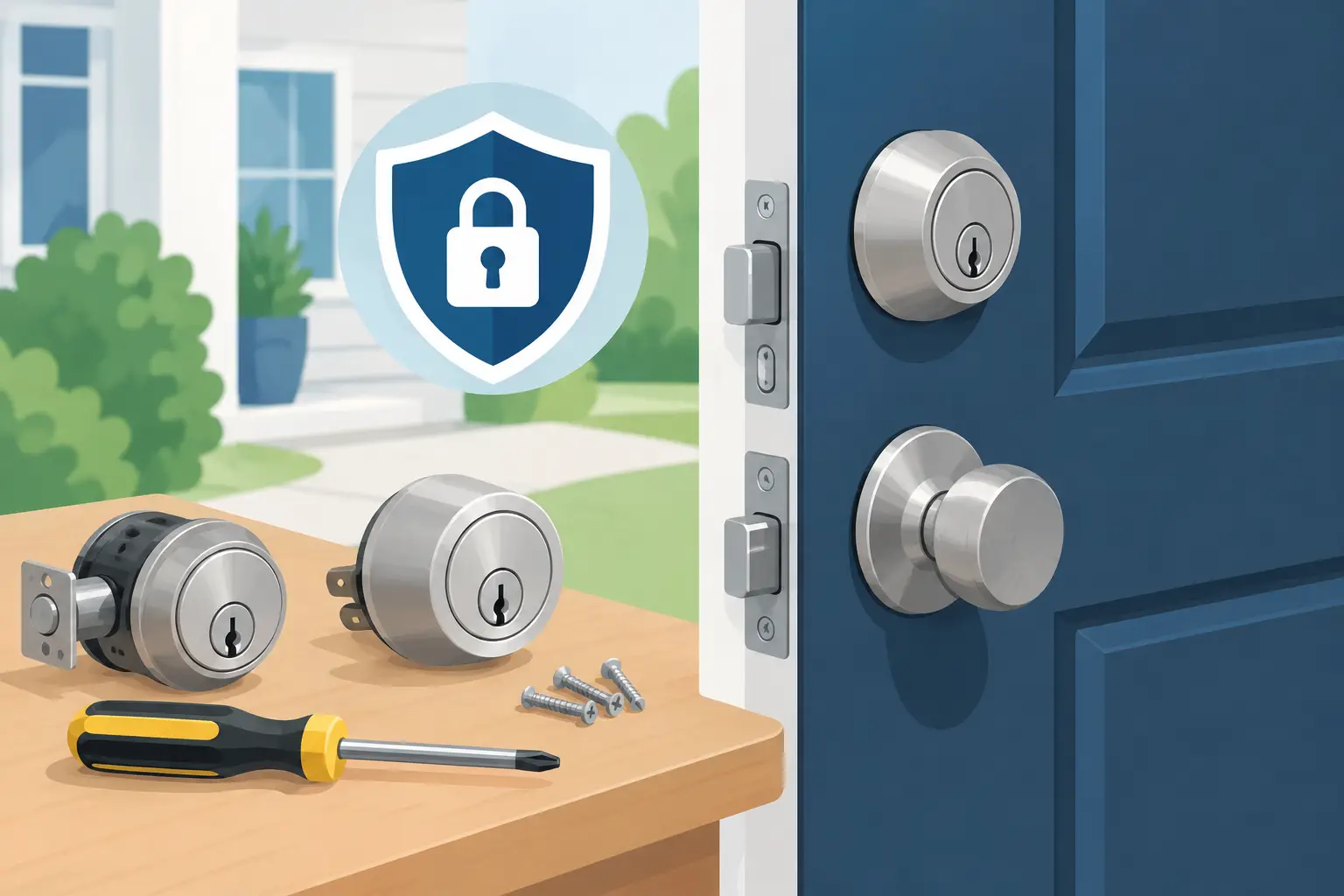
A locksmith can identify whether the problem is a damaged key, dirty cylinder, worn pins, failed ignition, broken key fragment, or door alignment issue. Depending on the condition of the hardware, the solution may be key cutting, lock repair, rekeying, cylinder replacement, broken-key extraction, or a security upgrade. Replacement is not always necessary, but repeated sticking is a clear warning that the lock needs attention.
For urgent home, business, or vehicle access problems across the Twin Cities, Free Eagle Locksmith provides mobile 24/7 service with technicians prepared to restore access and address the source of the problem. If your key is fighting you, protect the key, protect the lock, and get help before a minor delay becomes a full lockout.