
Your apartment door is the line between a normal night at home and an unwanted surprise. A loose deadbolt, an old key that may still be in someone else’s pocket, or a window that does not latch properly can create a real security problem. This apartment security checklist helps renters identify weak points, take practical action, and know when to call for professional lock help.
Start With Your Front Door
Most apartment break-ins involve an accessible entry point, and the front door deserves attention first. Close the door and check whether it fits tightly in the frame. If it rattles, has a wide gap, or can be pushed enough to expose the latch, tell your property manager. A door that does not close correctly puts extra pressure on the lock and may be easier to force.
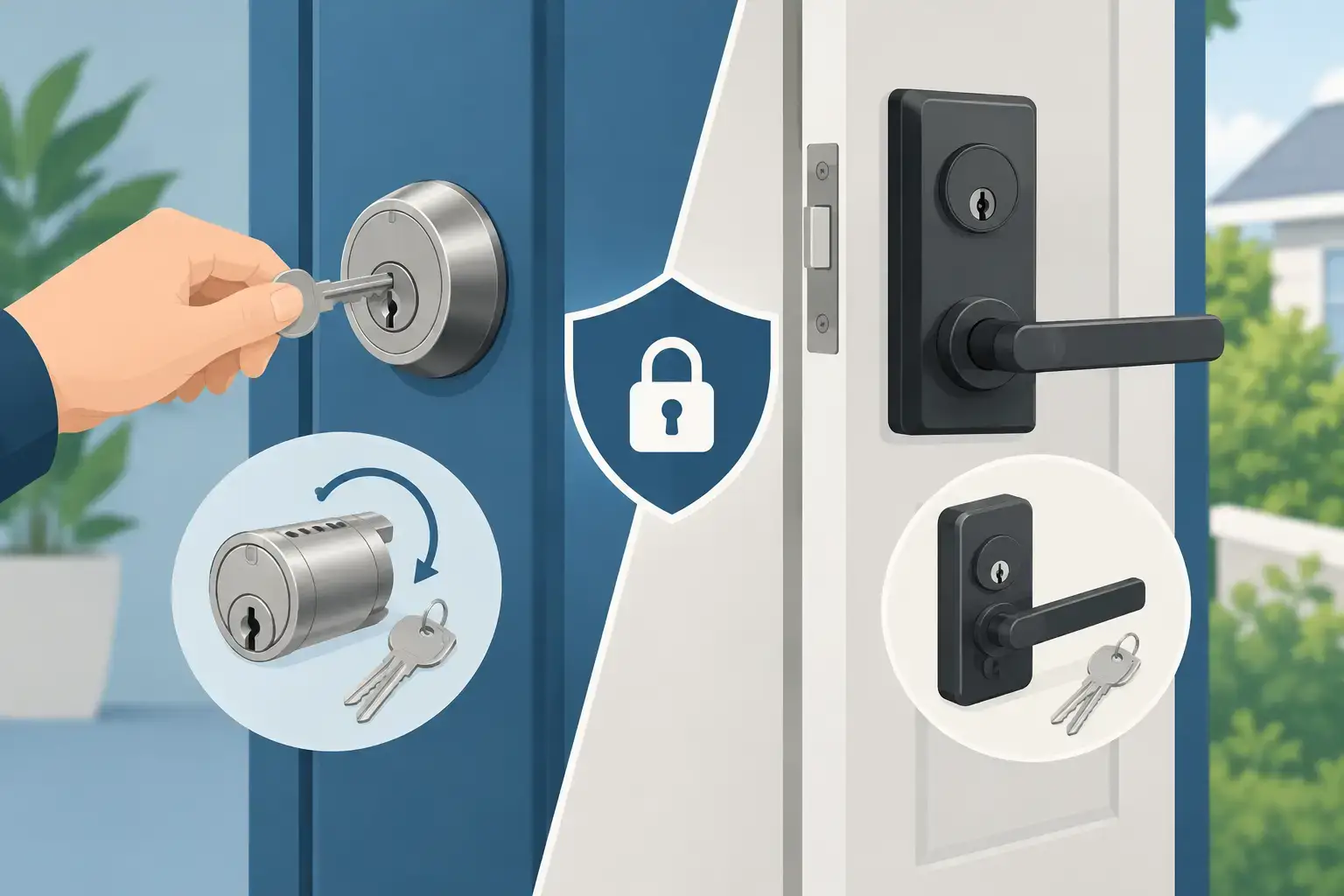
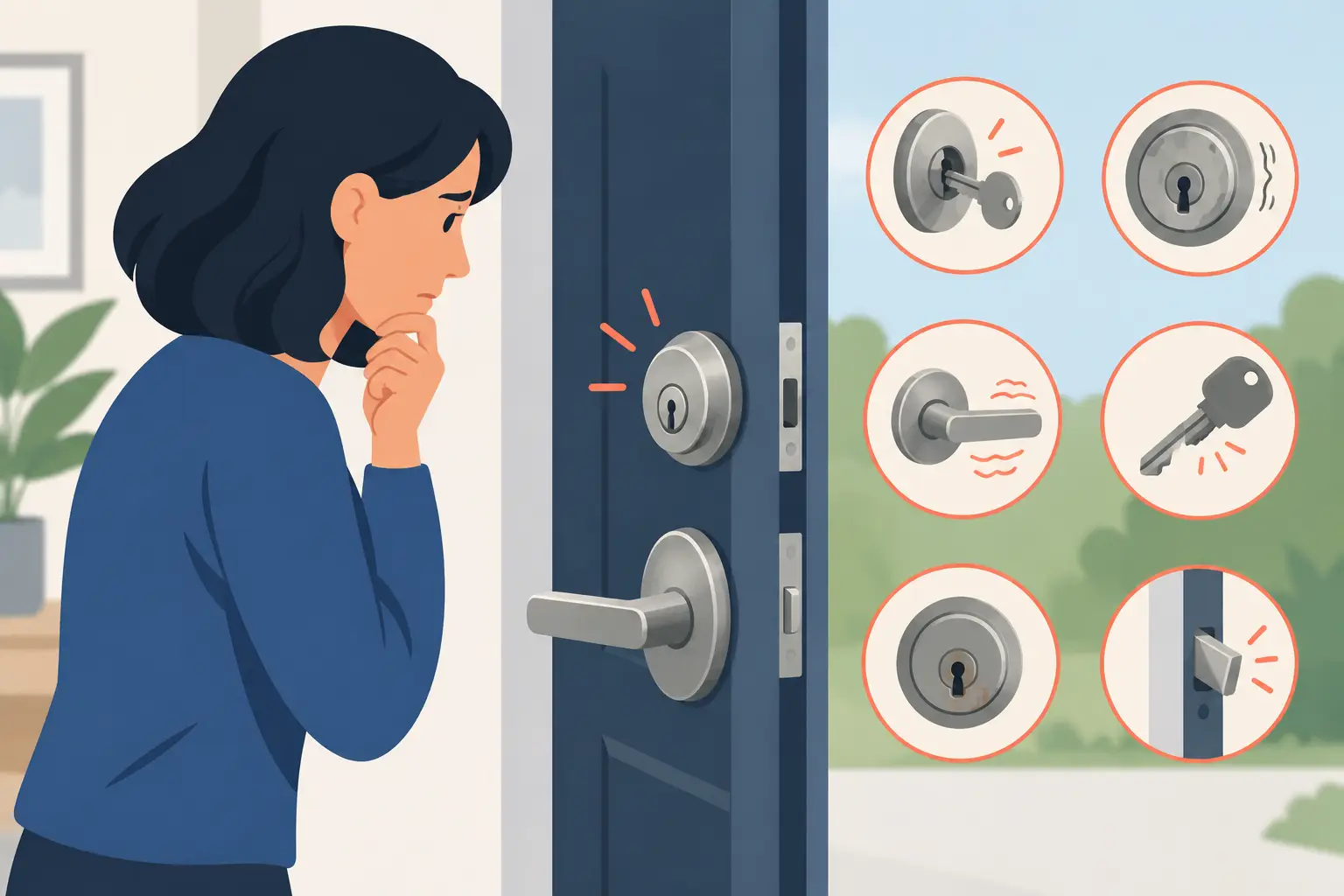
Test the deadbolt from both sides. It should turn smoothly and extend fully into the door frame without lifting, pulling, or slamming the door. If the key sticks, the thumb turn is loose, or the bolt only extends partway, do not ignore it. A failing lock can leave you locked out or leave your home less protected.
Also look at the strike plate, the metal plate on the frame where the bolt enters. Short screws are common in older rentals, but longer screws anchored into the framing offer better resistance to forced entry. This upgrade usually requires landlord approval, so ask before changing hardware.
Know Who Has Keys to Your Apartment
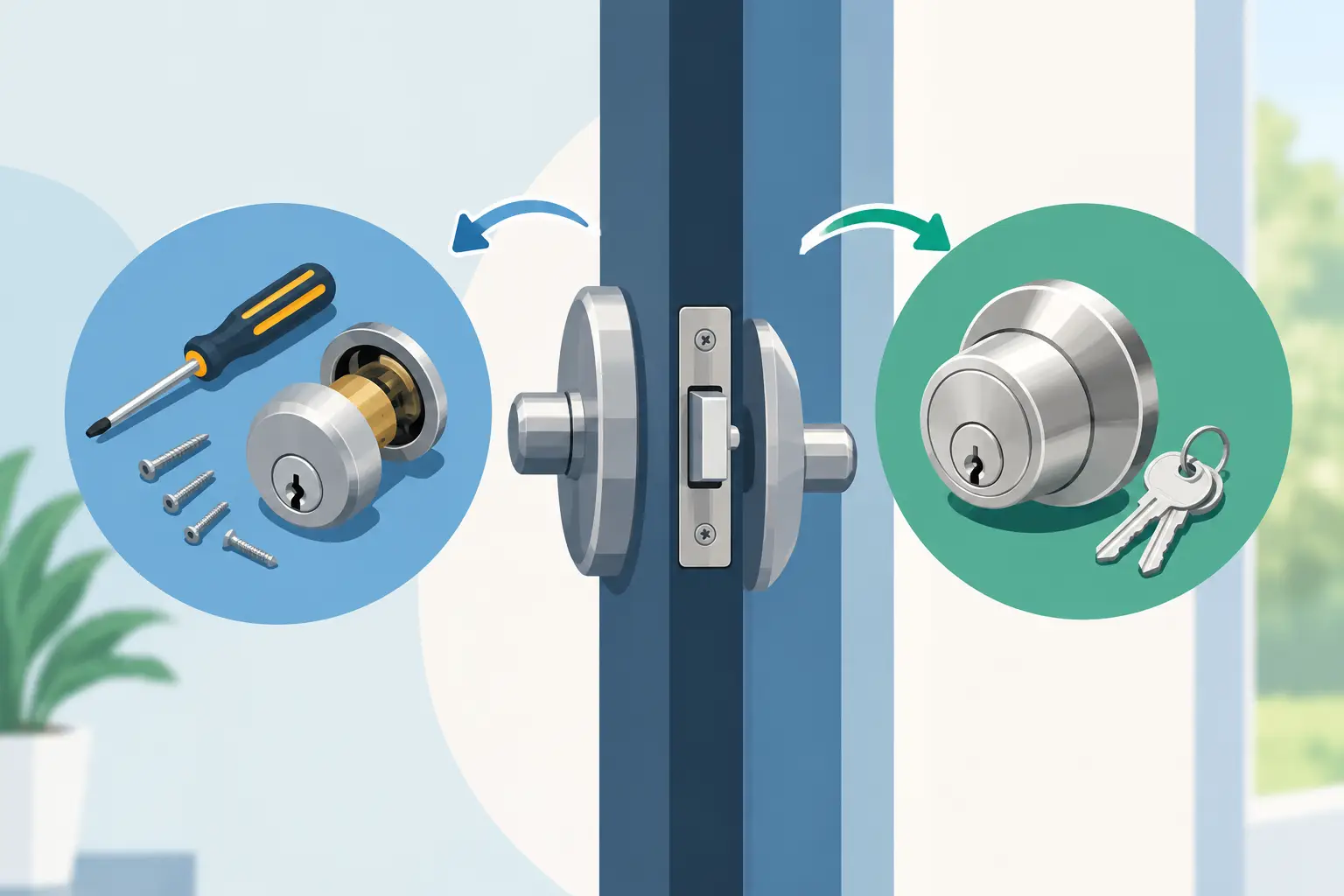
When you move in, ask whether the locks were rekeyed between tenants. Rekeying changes the lock so old keys no longer work, without necessarily replacing the entire lock. It is one of the most sensible security steps after a move, especially in a building that has had multiple occupants.
Your landlord or property manager will usually need access for maintenance and emergencies, but that does not mean former tenants, old roommates, contractors, or neighbors should still have working keys. If you are unsure who may have a copy, request rekeying in writing. Keep a record of the request and the date the work was completed.
Avoid hiding a spare key under a mat, planter, fake rock, or mailbox. Those are the first places someone will check. If you need a backup plan, leave a spare with a trusted person who lives nearby, or use a landlord-approved key storage option in a secure location.
Check Every Window and Sliding Door
Windows are easy to overlook because they are not the main entrance. Yet a ground-floor window, balcony door, or poorly secured sliding door can offer a quick way in. Open and close each window, then confirm the lock catches firmly. A lock that turns but does not hold the window shut needs repair.
For windows that open vertically, confirm they cannot be lifted from the outside when locked. For sliding windows and patio doors, check the track and latch. Sliding doors often benefit from a properly fitted security bar or dowel in the track, but get permission before installing anything that changes the rental unit.
Do not rely on a window screen for security. Screens keep insects out, not intruders out. If a window is hidden by bushes, faces an alley, or is easily reached from a common area, keep it locked whenever it is not actively being used.
Review Building Access, Not Just Your Unit
Apartment security does not stop at your door. Walk the route from the parking area or street to your unit after dark. Are entry doors closing and latching behind residents? Is the parking lot lit? Can strangers follow residents through a controlled entrance without being questioned? These details matter.
If your building has a shared entry, do not prop the door open for deliveries or convenience. Do not buzz in people you do not know, even if they claim to be visiting another resident. Package thieves and unauthorized visitors often count on residents making access easy.
Report broken exterior locks, damaged gates, burned-out lights, malfunctioning intercoms, and unsecured laundry or storage rooms promptly. Take photos when appropriate. Property managers need clear information to act, and a documented request is useful if the issue is not addressed.
Use Smart Devices Without Creating New Problems
A doorbell camera, indoor camera, or smart lock can add awareness, but renters should check lease rules and local privacy expectations first. Cameras should never point into a neighbor’s private space or record areas where people reasonably expect privacy.
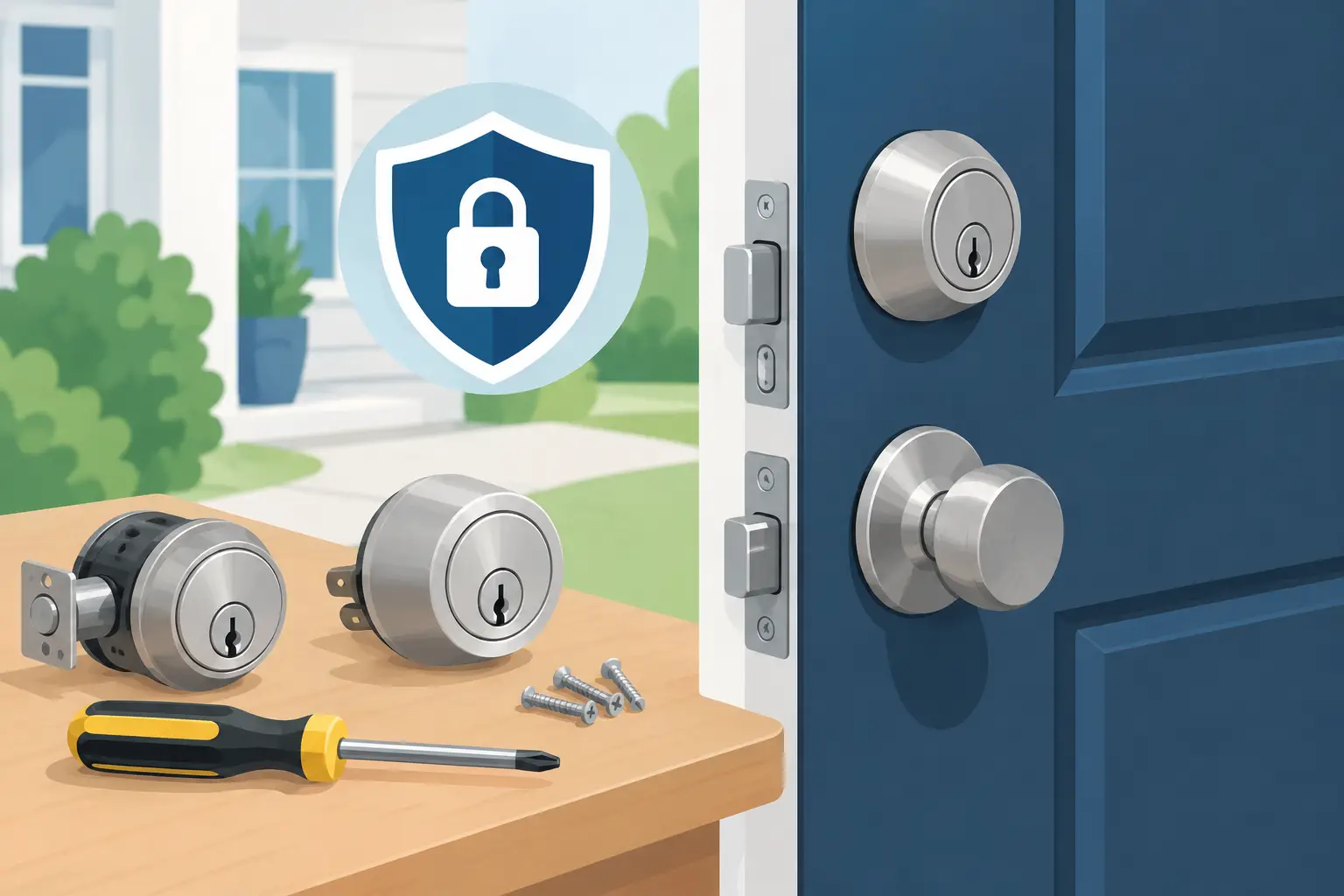
Smart locks are convenient when you regularly host dog walkers, cleaners, or family members, but they are not automatically better than a quality mechanical deadbolt. Battery failure, poor installation, and unauthorized hardware changes can create headaches. If your lock is damaged or you want an electronic upgrade, ask the landlord first and use a qualified locksmith to make sure the door still locks properly.
For many renters, simple habits provide more security than extra gadgets. Lock the door every time you leave, even for a quick trip to the mailbox. Keep valuables away from windows. Do not post travel plans or your apartment number publicly on social media.
Build a Safe Routine for Deliveries and Guests
Packages left in a lobby or outside a unit can advertise that a resident may not be home. Use delivery instructions that fit your building, such as a secure package room, front desk, pickup location, or scheduled delivery time. If you live in a building without protected package storage, retrieve deliveries as soon as possible.
Be careful with service workers and unexpected visitors. A legitimate maintenance visit should usually be communicated by management unless there is an urgent repair. If someone arrives claiming to be from management, a utility company, or a delivery service and you are not expecting them, verify before opening the door.
When you have guests over, keep keys, mail, and documents out of sight. This is not about distrusting friends. It is about limiting unnecessary access to information that can reveal your unit number, full name, work schedule, or building entry details.
What to Do After a Lost Key or Break-In
A lost key is not always an emergency, but it becomes one if the key can be connected to your address. For example, a key lost with an ID, mail, key fob, or labeled keychain should be reported immediately. Contact your property manager and ask about rekeying or replacing the lock.
After a break-in attempt or forced entry, do not touch damaged locks, broken glass, or disturbed property until you have contacted law enforcement if needed. Then notify the landlord right away. Take photos of damage and request urgent repairs. A bent deadbolt, cracked frame, or broken latch should not wait for a routine maintenance visit.
If you are locked out, your key breaks in the lock, or your apartment lock will not secure after damage, professional mobile help can restore access and protect the unit without guesswork. Free Eagle Locksmith provides 24/7 locksmith service throughout the Twin Cities for lockouts, rekeying, lock replacement, and urgent security repairs.
Apartment Security Checklist Before You Leave
Before leaving for work, a weekend away, or an extended trip, take one minute to confirm the basics:
- Lock the front door and test the handle after locking it.
- Close and lock accessible windows and sliding doors.
- Remove spare keys from predictable hiding spots.
- Keep curtains or blinds positioned so valuables are not on display.
- Make sure building entry doors close behind you.
- Tell a trusted person if you will be away for several days.
A rental may not give you full control over every lock, light, or entry point, but you still have control over the habits that prevent easy access. If something feels loose, damaged, or unsafe, report it early. Small lock problems have a habit of becoming urgent ones at the worst possible time.