
A lost house key, a tenant who moved out, a contractor who still has a copy, or a recent break-in can leave you asking the same question: who can still get in? Lock rekeying Minneapolis property owners can rely on is often the fastest, most practical way to take control of access again. Instead of replacing every lock, a locksmith can change the internal key pattern so old keys no longer work.
That simple change can make a major difference. You keep the hardware you already have when it is in good condition, but you stop previous keys from opening the door. For homeowners, renters, landlords, and business operators, rekeying is a direct response to an access concern that should not wait.
When Lock Rekeying Minneapolis Is the Right Move
Rekeying is a strong choice when the lock itself works properly but you no longer trust every key that may be out there. It is especially useful after moving into a new home, taking over a commercial suite, changing tenants, ending a roommate arrangement, or losing a key ring somewhere you cannot recover it.
Many people underestimate how many copies of a key can exist. A prior owner may have given one to family. A former tenant may have made a spare. A dog walker, cleaner, maintenance worker, neighbor, or employee may still have access. Even if every person is trustworthy, you may not know whether a copy was misplaced or passed along. Rekeying removes the uncertainty without requiring a full hardware replacement.
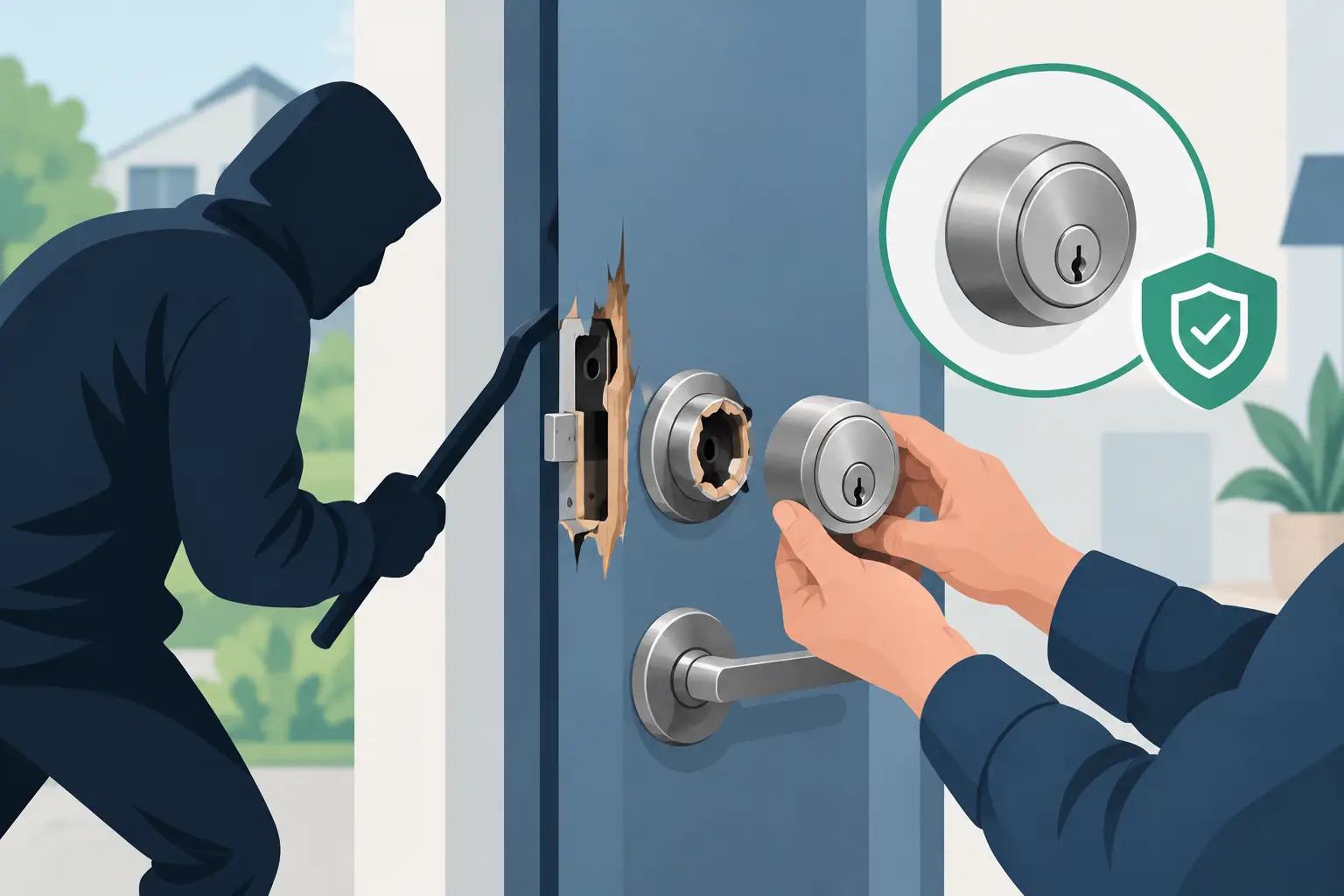
After a break-in or attempted break-in, the decision depends on what happened to the lock. If the cylinder is intact and there is no sign of forced damage, rekeying may restore key control quickly. If the deadbolt, latch, strike plate, door frame, or lock body has been damaged, replacement or repair may be the safer answer. A professional technician can assess the condition on site and explain what will actually protect the property.
Rekeying also makes sense for many rental properties. A landlord or property manager can reset access between tenants and keep the property ready for the next move-in. For multi-unit buildings, consistency matters. Rekeying compatible locks to work with a controlled key plan can reduce the number of keys staff need to carry while helping prevent former occupants from returning with an old key.
What Rekeying Changes and What It Does Not
A standard pin-tumbler lock contains small internal components that match the cuts on a key. During rekeying, the locksmith changes those components and cuts or provides a new key that matches the new configuration. The exterior lock may look exactly the same, but the previous key will no longer turn it.
This is different from simply cutting another key. Duplicate keys preserve the current access setup. Rekeying changes it. It is also different from changing locks, which means removing the existing hardware and installing new hardware. Both services have a place, but they solve different problems.
If your current locks are reliable, meet your security needs, and fit your doors correctly, rekeying is often more affordable than replacing each lock. It can also be faster, particularly when several doors use compatible lock brands or keyways. A mobile locksmith can come to your home, office, retail space, or rental property with the tools and key stock needed to complete the work where you are.
There are limits. Some heavily worn locks may not be worth rekeying because worn components can lead to sticking, unreliable turning, or key breakage. Smart locks, high-security locks, restricted key systems, and older specialty hardware may require a different process or replacement parts. If a lock has poor security to begin with, changing the key alone does not make the door harder to force open.
Rekeying or Replacing Locks: How to Decide
The best choice comes down to the condition of your hardware, the level of risk, and your goals for the property. Rekeying is usually the practical option when you need to revoke access quickly and the existing locks are in sound working order.
Replacement may be better when your locks are damaged, outdated, mismatched, or easily bypassed. It is also a good time to upgrade if you want a stronger deadbolt, keypad entry, high-security cylinders, or hardware that meets a commercial building’s access needs. A front door with a weak lock, loose strike plate, or damaged frame needs more than a new key pattern.
For businesses, replacement can be part of a larger access-control decision. A small office may simply need former employee keys disabled. A growing business may need a master-key system that gives managers access to all approved areas while limiting employee access to only the doors they need. The right setup should make daily operations easier without handing out unnecessary access.
Do not assume every door needs the same solution. A home may benefit from rekeying exterior doors while replacing a damaged back-door deadbolt. A rental property may need lock changes between tenants and a security upgrade at a shared entry. A warehouse may need rekeyed staff doors, repaired panic hardware, and a master-key plan. The strongest answer is the one that addresses the real weakness, not the one-size-fits-all option.
Common Situations That Should Not Wait
If you are locked out, rekeying may come after the immediate access problem is resolved. Once you are back inside, think about why the lockout happened. If your keys were stolen, left in an unknown location, or taken with identifying information that points to your address, rekeying should be handled as soon as possible.
A move is another time to act quickly. Closing day and move-in day bring people in and out of a property, from sellers and real estate agents to movers and contractors. Rekeying exterior doors early gives you a clean starting point. You know the keys in your hand are the keys that work.
Business owners should also move fast after staffing changes involving keyholders. Waiting because the former employee returned their key is not always enough. Copies may exist, keys may have been shared, and sensitive areas may need controlled access immediately. Rekeying can help protect office equipment, customer information, inventory, and restricted rooms.
When there has been a break-in, do not focus only on getting the door to close again. Check whether the lock engages smoothly, whether the frame is split, and whether the strike plate is secure. If the hardware is compromised, ask for the repair or upgrade needed to restore real security, not just the appearance of it.
What to Expect From a Mobile Rekey Service
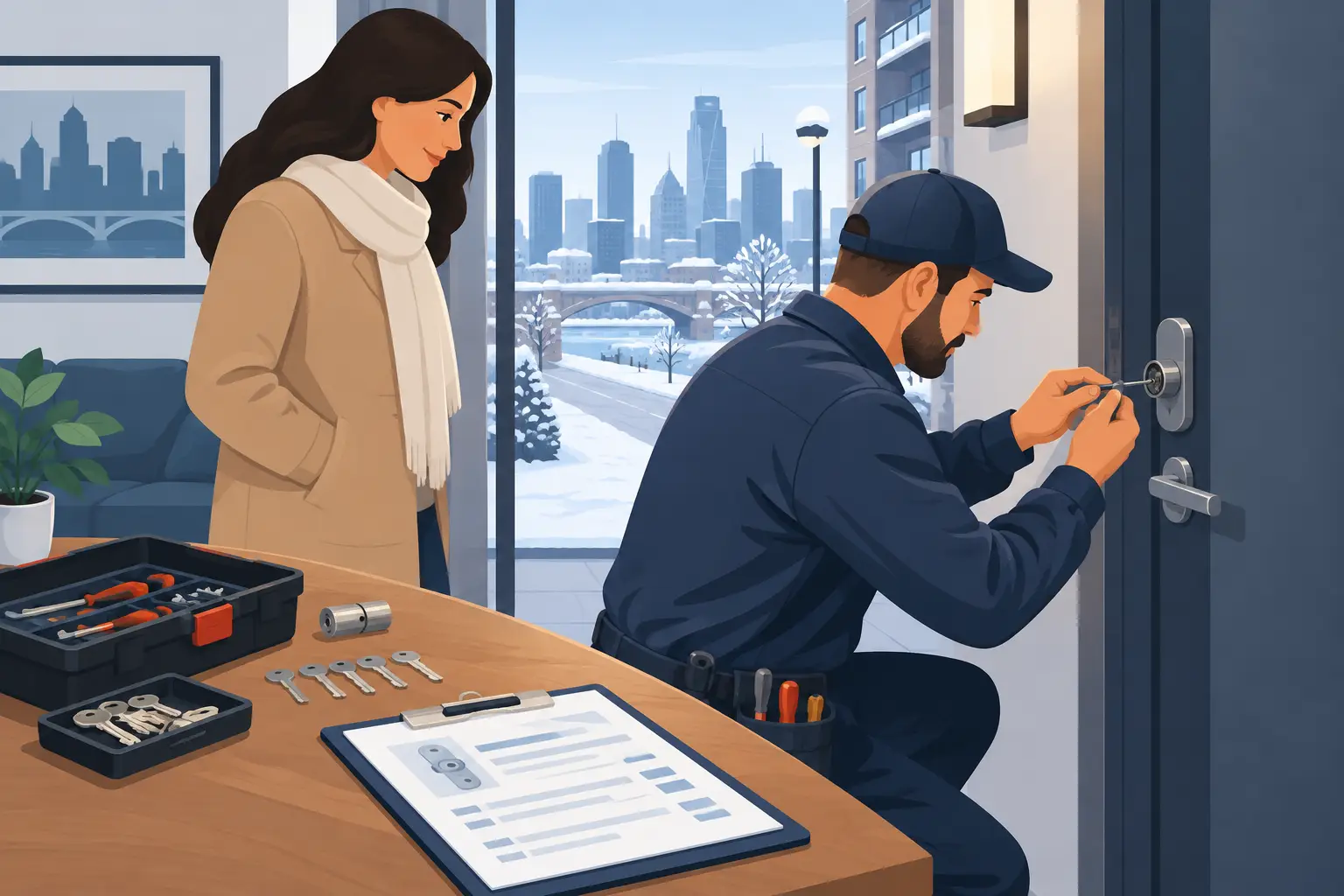
A prepared locksmith begins by identifying the lock type, checking its condition, and confirming which doors need to be included. This matters because not every lock can be keyed alike, and different brands may use different keyways. The technician can explain whether your existing locks can be matched to one new key or whether separate keys are necessary.
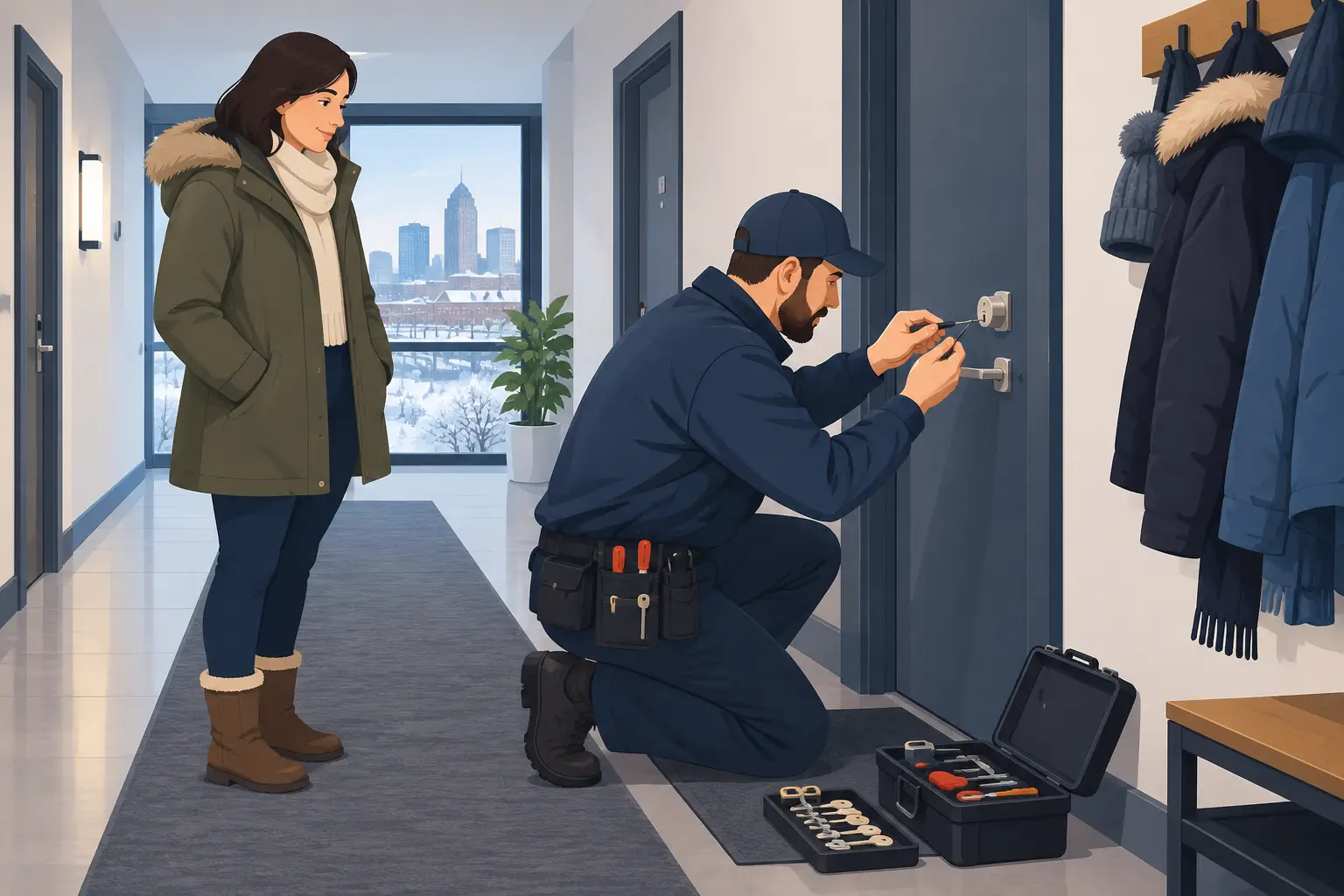
For a typical residential job, the process may include rekeying the front door, back door, garage entry, and any other exterior door you want secured. You can also ask about mailbox, storage, gate, or interior privacy locks where appropriate. Before the technician leaves, test every new key in every rekeyed lock. The key should insert, turn, and remove smoothly.
Commercial work may require more planning. A facility manager may need individual keys, manager keys, restricted areas, or a master-key structure. Good rekeying work is not just about changing pins. It is about making sure the people who need access can enter efficiently while everyone else is kept out.
Free Eagle Locksmith provides mobile, 24/7 service across Minneapolis and the Twin Cities for urgent access issues and planned lock security work. If you need immediate help after lost keys, a lockout, a move, or a security concern, a technician can come directly to your location with the tools to assess the lock and restore control of your doors.
Protect Your New Key Control
Once your locks are rekeyed, treat the new keys as part of your security plan. Keep track of who receives a copy, avoid hiding keys in obvious outdoor locations, and retrieve keys when a tenant, employee, contractor, or household member no longer needs access. If several people need entry, decide who truly needs a physical key and who can be given another approved access method.
Rekeying is a practical reset, but it works best when you maintain it. A key that goes missing months later can create the same concern all over again. When access changes, act early. The right time to rekey is before an old key becomes a problem at your door.