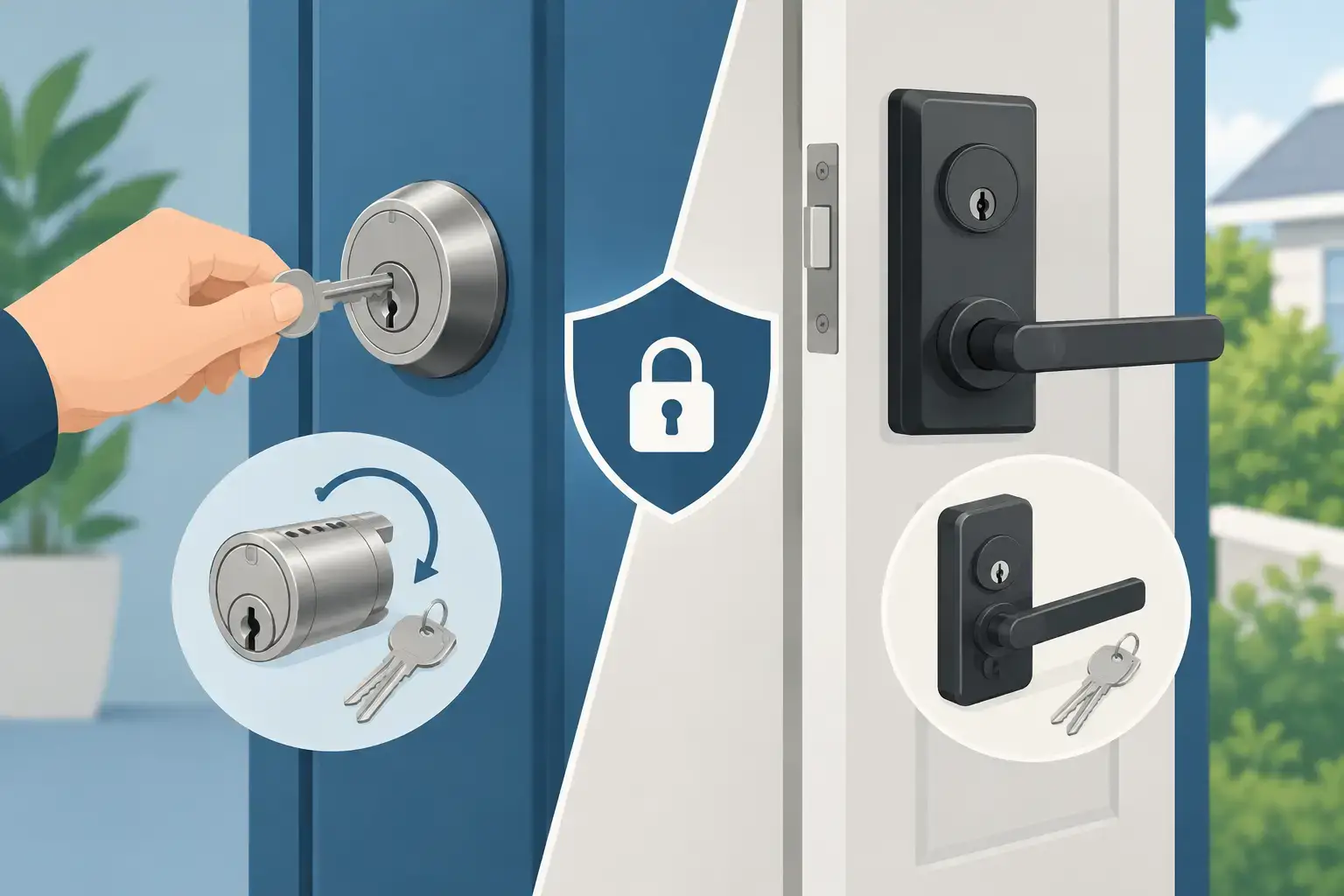

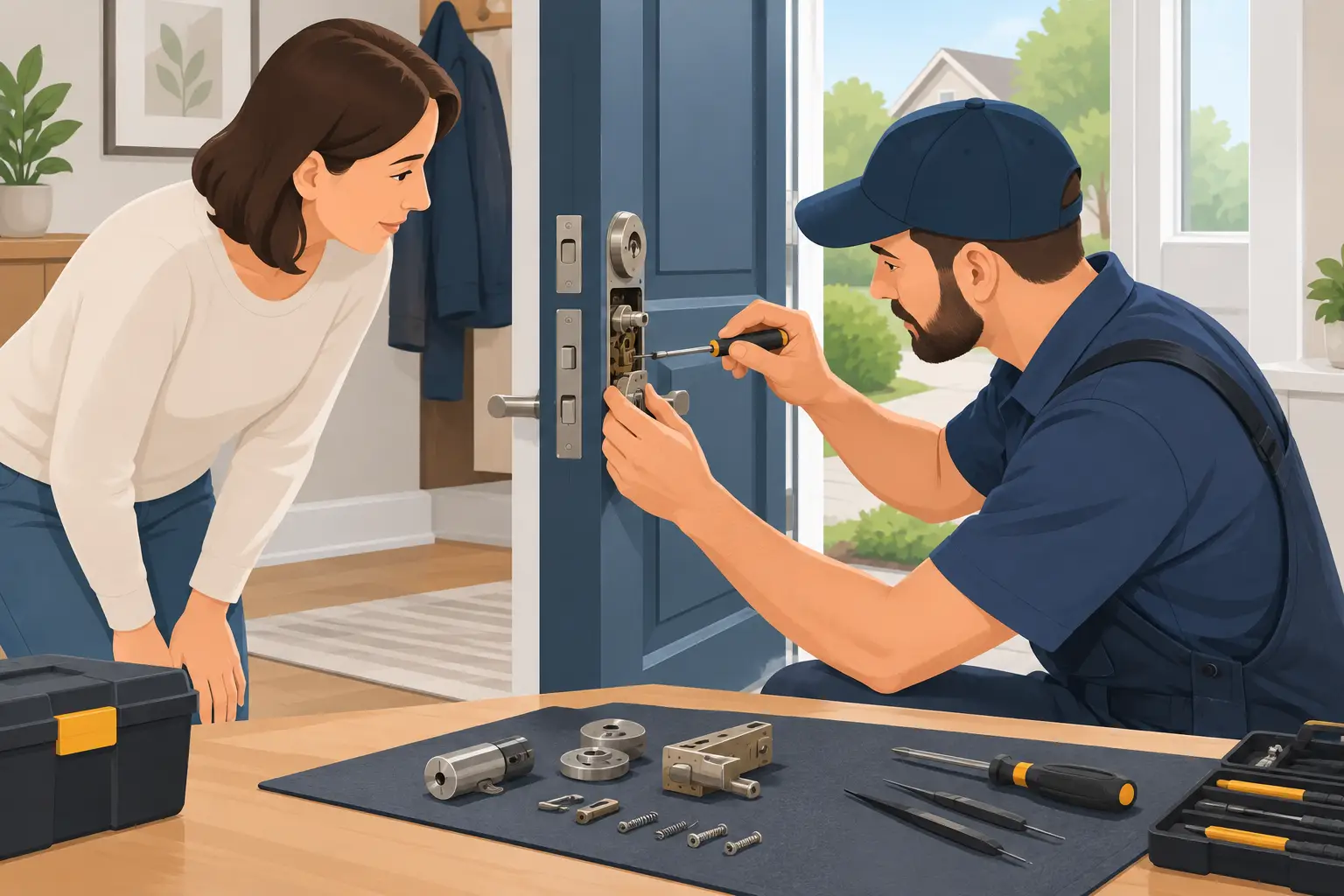
A damaged lock can turn a normal front door into a real security concern fast. Maybe the key suddenly will not turn, the deadbolt sticks halfway, the latch will not catch, or someone has forced the door during a break-in. If you need to repair a damaged door lock, the first question is not just whether the door will open. It is whether the lock can still protect your home, office, or rental property.
Some lock problems have a simple fix. Others leave the door vulnerable even if you can get it to latch again. Knowing the difference can save time, prevent further damage, and help you make the right call when security cannot wait.
Start by Checking What Is Actually Damaged
A lock may look broken when the real issue is the door alignment, a worn key, loose hardware, or debris inside the keyway. Before forcing anything, inspect the handle, deadbolt, strike plate, hinges, and the space between the door and frame.
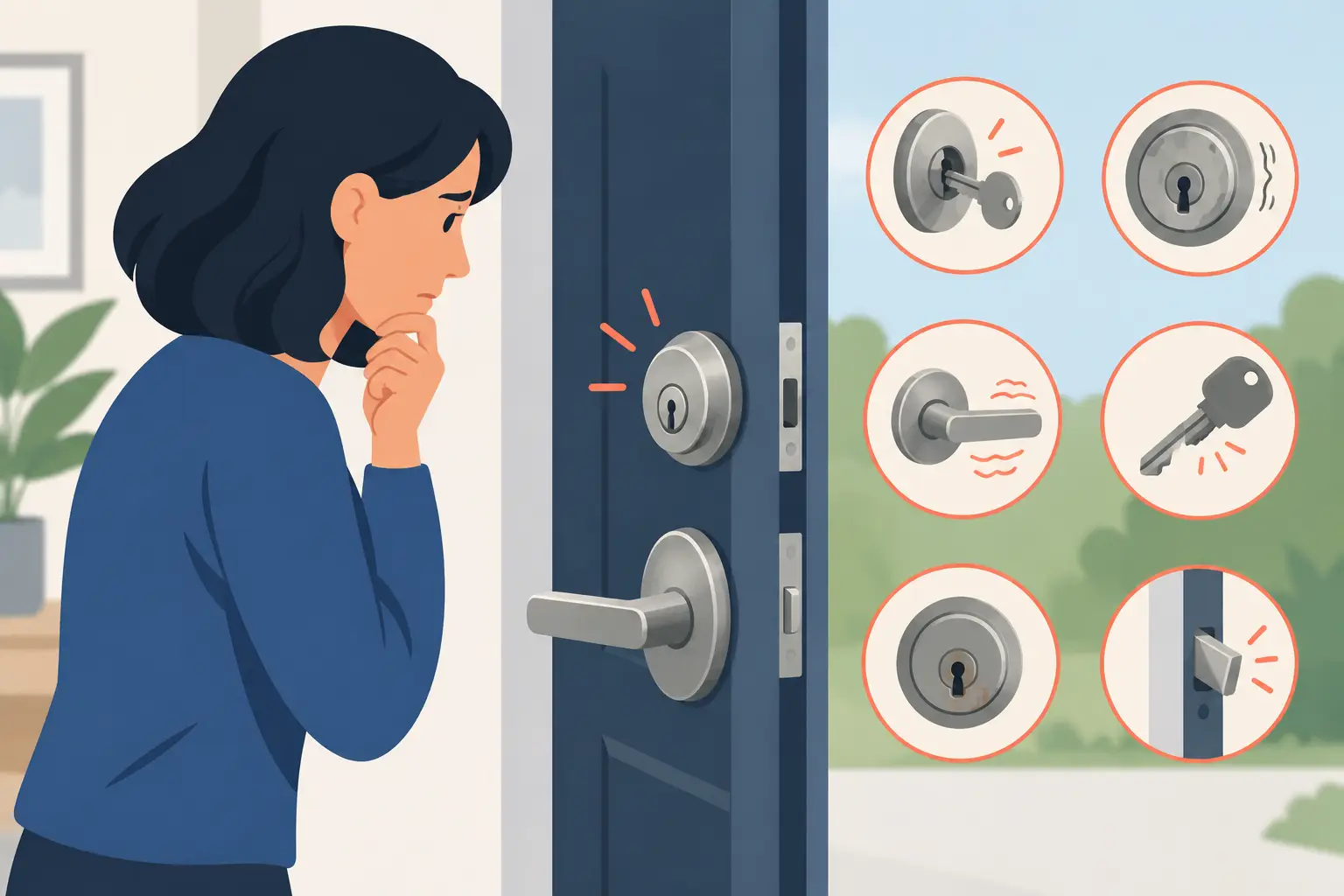
If the key goes in but will not turn, do not keep twisting it. A key can snap inside the cylinder, turning a repairable problem into a lockout. Try a spare key if you have one. If the spare works, the original key may be worn, bent, or poorly cut. If neither key works, the cylinder, bolt, or door alignment may be the problem.
A deadbolt that only works when the door is open usually points to alignment. Seasonal temperature changes, moisture, settling, or loose hinges can shift a door just enough for the bolt to hit the strike plate instead of entering it. That does not automatically mean the lock is bad, but it does mean the door is not securing correctly.
When You Can Repair a Damaged Door Lock
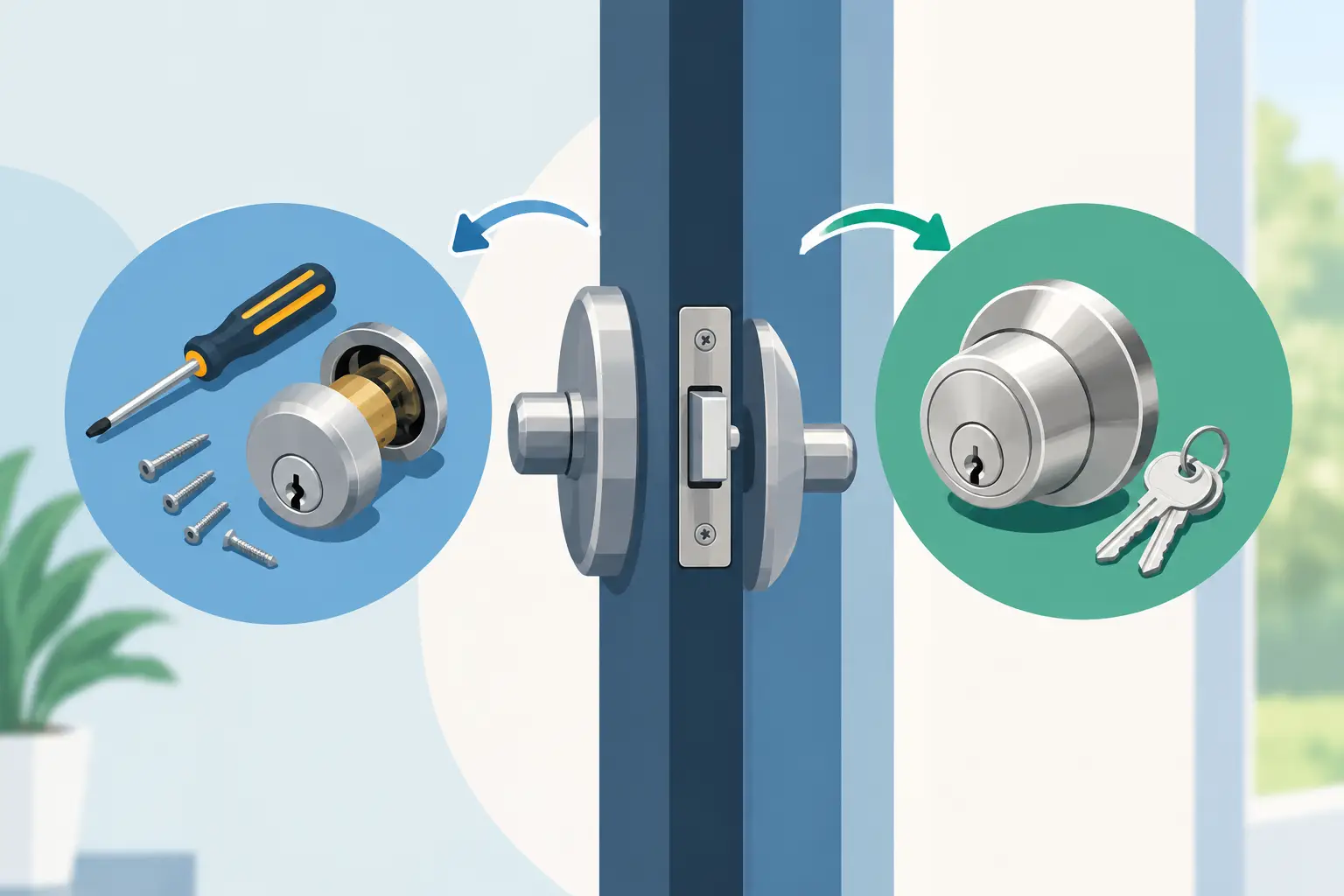
Minor issues can sometimes be handled without replacing the entire lock. Tightening visible mounting screws is one example. Over time, the screws around an interior thumb turn, exterior cylinder, handle, or strike plate can loosen. Carefully tightening them may stop a lock from wobbling or a handle from sagging.
A dirty keyway can also cause trouble. Use a lock-specific dry lubricant sparingly, then insert and remove the key several times. Avoid oil-based household sprays. They may seem helpful at first, but they can collect dirt and create a sticky buildup inside the cylinder.
For a door that has shifted, check whether the hinges are loose. Tightening hinge screws can bring the door back into better alignment. If the deadbolt is barely scraping the strike plate, a locksmith can adjust the strike opening or correct the alignment without replacing sound hardware.
These repairs make sense when the lock body, cylinder, bolt, and door frame are still in good condition. The goal is to restore normal operation without reducing security.
Do Not Force a Sticking Lock
Force is one of the quickest ways to make a damaged lock worse. Do not hit the lock, pry the bolt, crank a key with pliers, or keep lifting the door while turning the key. Those actions can strip internal components, crack the cylinder, bend the bolt, or damage the frame.
If you are locked out, do not remove door hardware from the outside or try to bypass the lock. A mobile locksmith can restore entry with the least possible damage and assess whether the hardware is still safe to use.
Signs the Lock Needs Replacement, Not Repair
There are situations where repair is the wrong move. A lock that has been drilled, pried, kicked, or otherwise forced should be inspected and often replaced. The visible damage may be only part of the issue. The bolt, cylinder, strike plate, screws, and wood or metal around the frame can all be weakened.
Replacement is usually the better choice when you notice any of these problems:
- The key turns freely but the deadbolt does not extend or retract.
- The cylinder spins, pulls outward, or feels loose in the door.
- The bolt is bent, cracked, or will not fully engage the strike plate.
- The lock has been damaged during a break-in attempt.
- Internal parts are corroded, badly worn, or repeatedly failing.
- The lock is old, low-grade, or no longer matches your security needs.
A working latch is not the same as a secure door. After a break-in or attempted forced entry, replacing the lock may be necessary, but reinforcing the strike area can matter just as much. Longer screws, a stronger strike plate, and properly secured hinges help the entire door resist force.
Repairing a Damaged Door Lock After a Break-In
After a break-in, your first priority is securing the property. If the door will not close or lock, do not leave the home or business unattended. Move valuables away from the entry, document the damage for your records, and arrange immediate locksmith service.
A professional assessment should look beyond the damaged cylinder. The technician should check whether the frame is split, whether the strike plate has pulled loose, and whether the deadbolt still reaches solid material. On commercial doors, damage may involve panic hardware, mortise locks, access-control components, or restricted key systems. These systems need the right parts and experience to restore protection correctly.
If keys were stolen or lost during the incident, consider rekeying or replacing the lock even when it appears undamaged. Rekeying changes which key operates the existing lock. It can be a practical option if the hardware is in good condition and you want to prevent an old key from being used.
When to Call a Locksmith Right Away
Call for professional help immediately if you cannot lock the door, have a broken key in the lock, see signs of forced entry, or are locked out with a damaged mechanism. This is especially urgent for exterior doors, business entrances, rental units, and doors connecting a garage to the home.
A trained locksmith can identify whether the problem is the key, cylinder, latch, deadbolt, strike plate, frame, or door alignment. That matters because replacing the wrong part wastes money and can leave the original security weakness in place.
For Twin Cities property owners, Free Eagle Locksmith provides mobile 24/7 service for damaged residential and commercial locks, lockouts, break-in repairs, rekeying, and lock replacement. A prepared technician can come to your home, workplace, or property instead of asking you to transport a damaged door or wait for regular business hours.
Choose the Right Lock for the Repair
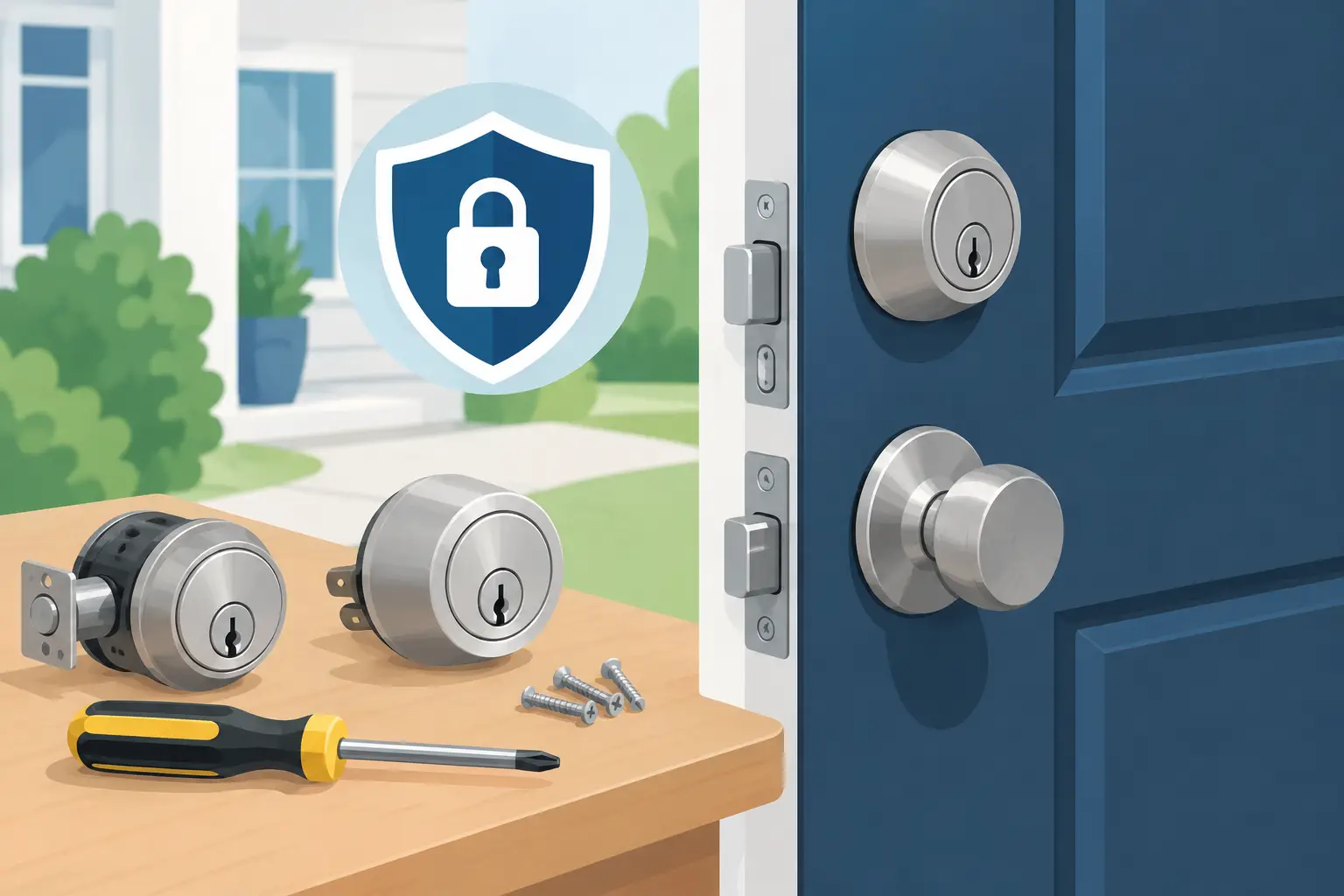
When replacement is needed, do not automatically install the cheapest lock that fits the hole in the door. Consider the door location, traffic level, existing hardware, and who needs access. A side entry used once a week has different needs than a busy office, a rental building, or a front door facing the street.
A quality deadbolt paired with a reinforced strike plate is often a strong choice for residential exterior doors. Businesses may need commercial-grade hardware, high-security cylinders, restricted keys, master-key access, or electronic entry systems. The best option depends on the door and the risk, not just the appearance of the hardware.
If you rent, contact the property manager before changing locks unless there is an immediate safety issue. Landlords may have requirements for approved hardware, emergency access, or key control. If you manage a property, keep a clear record of rekeying and replacement work so old keys do not remain in circulation.
Keep the Problem From Coming Back
Once the door is secure, give the lock a quick check every few months. Test the deadbolt with the door open and closed. Make sure the bolt extends fully, the key turns smoothly, and the strike plate remains firmly attached. Watch for door sagging, loose hinges, and screws that no longer hold tightly.
Do not ignore a lock that sticks only occasionally. That small warning often appears before a failed cylinder, broken key, or late-night lockout. Addressing it while the door still opens and closes normally is usually simpler and less expensive than dealing with an emergency.
A damaged door lock deserves a careful fix, not a temporary workaround. If the door cannot lock securely tonight, treat it as an urgent security issue and get qualified help before the problem becomes an open invitation.