
A home lockout is never just an inconvenience. In the Twin Cities, it can mean standing outside in below-zero weather, missing a school pickup, or waiting on the porch after a long shift. Knowing how to prevent home lockouts comes down to a few dependable routines, the right backup plan, and locks that work the way they should.
Most lockouts happen during ordinary moments: taking out the trash, rushing out with groceries, leaving through the garage, or assuming someone else has the key. A little preparation can stop those small moments from turning into an urgent call.
Build a Routine That Keeps Keys With You
The simplest prevention method is also the one people skip when they are in a hurry: make checking for your keys part of leaving the house. Before the door closes behind you, use the same quick check every time: phone, wallet, keys. Put your keys in the same pocket, purse compartment, or work bag each day so you are not searching for them at the door.
If your home has a self-locking knob or deadbolt, be especially careful during short trips outside. Taking the dog out, checking the mail, bringing in a delivery, or walking to the garage can take only a minute, but that is enough time for a locked door to create a problem. Carry your keys even when you believe you will be right back.
Families can make this easier by deciding where keys belong when everyone is home. A key hook, bowl, or cabinet near the main exit works well if it is used consistently. The key should be visible to household members but not visible through a window or accessible from outside.
Keep a Spare Key, but Keep It Secure
A spare key is useful only if you can access it safely when you need it. Hiding one under a mat, flowerpot, fake rock, or loose patio item is not a real security plan. Those are the first places a person with bad intentions will check.
Instead, leave a spare with a trusted nearby neighbor, local family member, or friend who is likely to be available. Choose someone who understands that the key is for emergencies and will store it responsibly. If you rent, confirm that your arrangement does not conflict with building rules or lease requirements.
A quality lockbox can also work for some households, especially when family members, caregivers, contractors, or dog walkers need occasional access. Place it in a less obvious location, use a strong code that is not connected to your address or birthday, and change the code when circumstances change. A lockbox adds convenience, but it should not replace good door security.
For households with several adults or older teens, make sure every authorized person has a working key. Sharing one key among multiple people creates unnecessary lockout risk. It also puts extra wear on a single key, increasing the chance of bending or breaking it in the lock.
Consider a Smart Lock for the Right Door
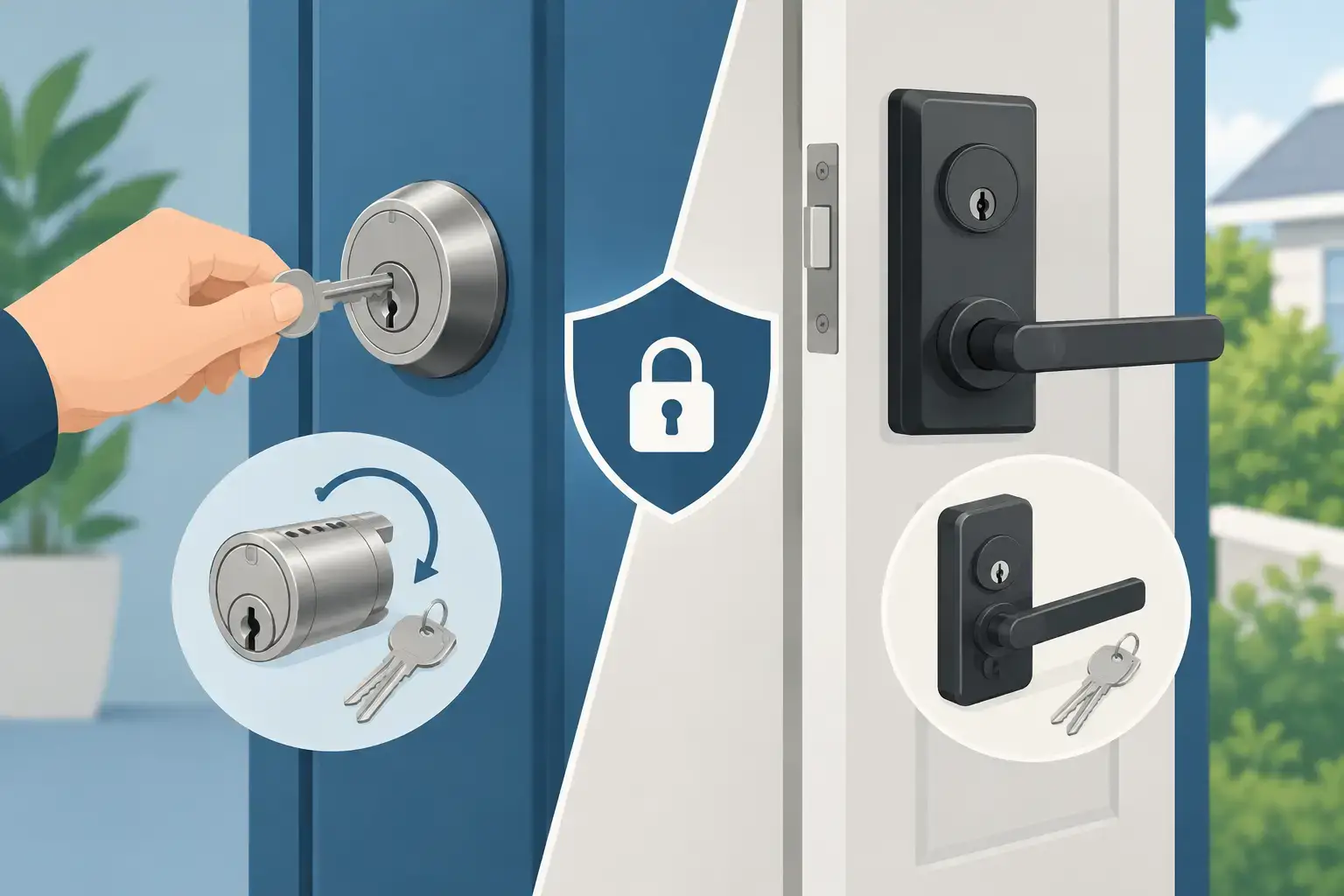
Smart locks can reduce lockouts because they allow keyless entry through a keypad, app, fingerprint reader, or another approved method. For busy families, rental properties, and homeowners who frequently carry packages or manage kids at the door, entering a code can be much easier than finding a key.
That said, smart locks are not automatically the best choice for every home. They need correct installation, reliable batteries, and regular testing. A keypad code is helpful only if household members remember it, and app-based access depends on a charged phone and a working connection in some setups.
If you choose a smart lock, select one with a physical key override and keep that backup key accessible to authorized household members. Replace batteries before they are fully drained, not after the lock begins giving low-battery warnings. It is also wise to test codes after changing them and remove access for former roommates, tenants, contractors, or anyone who no longer needs entry.
A professional locksmith can help you decide whether a keypad deadbolt, high-security lock, or another access option fits your door, lifestyle, and security needs. The right setup should make entry easier for you without making the property easier to enter for anyone else.
Maintain Your Locks and Keys Before They Fail
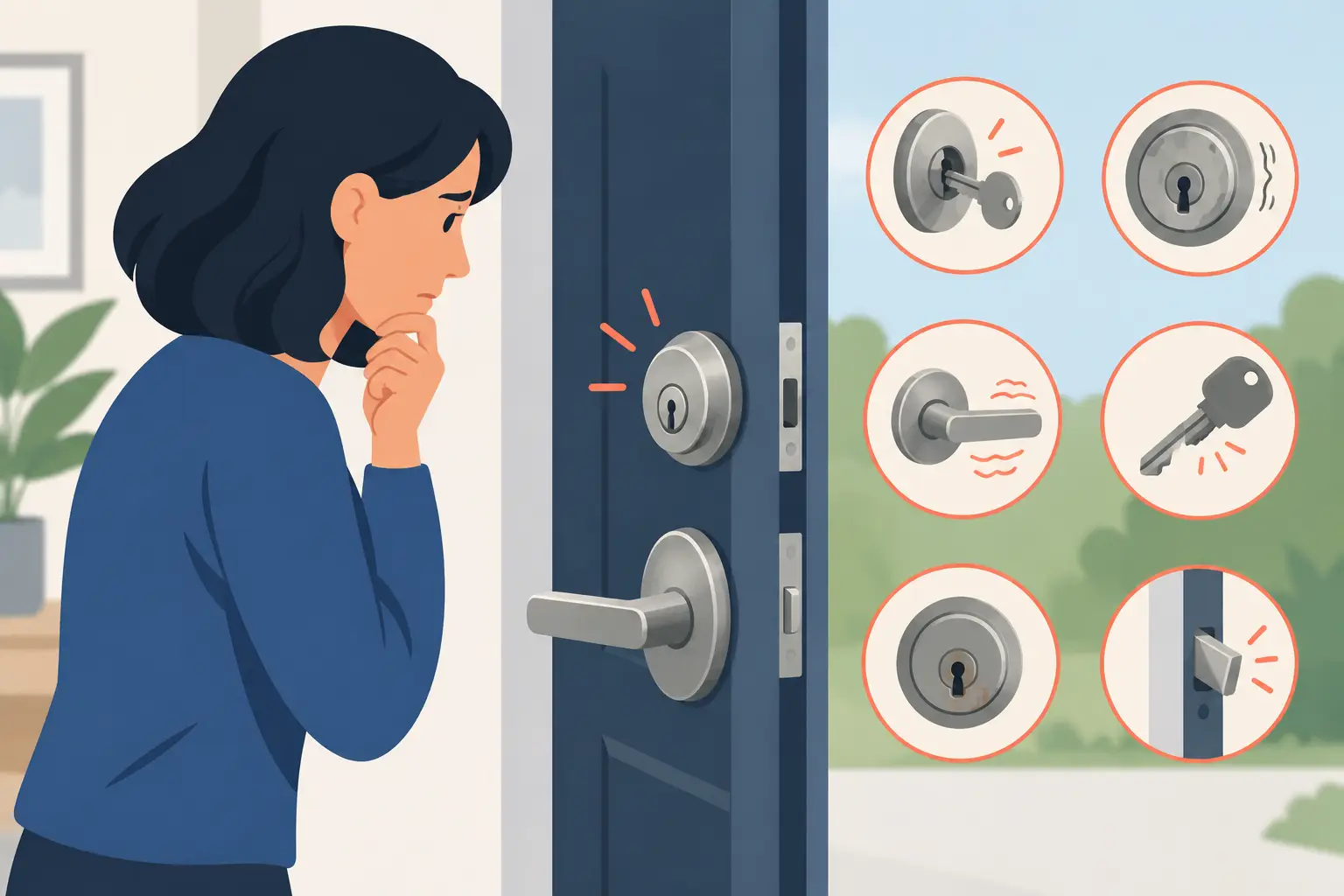
Not every lockout happens because a key was left inside. Worn keys, sticking locks, misaligned doors, and damaged deadbolts can leave you locked out even when your key is in your hand.
Pay attention to warning signs. If you have to jiggle the key, push hard on the door, lift the handle, or turn the key repeatedly before the lock works, do not wait for a complete failure. Cold Minnesota weather can make an already-stiff lock or swollen door more difficult to operate. Moisture, ice, and seasonal movement can also affect how a door lines up with its frame.
Have duplicate keys made before the original becomes worn down. A copy made from a heavily worn key may not work well, so use a clean original whenever possible. If a key is bent, cracked, or rough around the teeth, replace it. Forcing it into a lock can leave you dealing with a broken key and a blocked keyway.
Avoid using the wrong lubricant or spraying random household products into a lock. Some products attract dirt and create buildup over time. If a lock is sticking, damaged, or difficult to turn, have it inspected rather than forcing it. Repairing or replacing a failing lock is usually easier and less stressful than handling an emergency at night.
Plan for Children, Guests, and Shared Homes
A lockout plan should include everyone who uses the home. Children old enough to arrive home independently should know what to do if their key is missing or the door will not open. Give them a safe place to wait, a trusted adult to call, and clear instructions not to try climbing through windows or using tools to force a door.
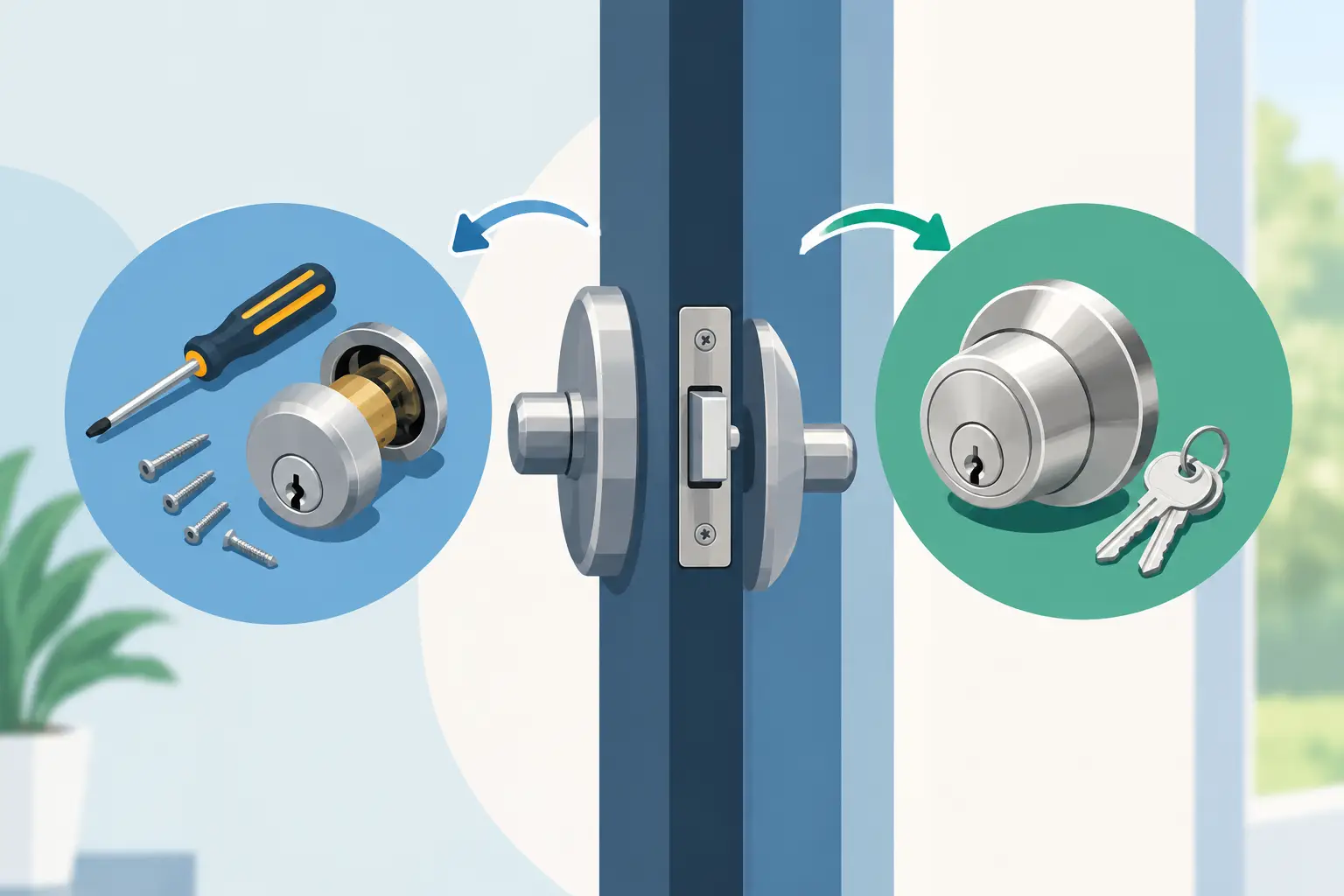
For shared homes, agree on basic key rules. Roommates should not lend keys out casually, and everyone should report a lost key right away. If someone moves out and does not return a key, rekeying the locks is often the safest choice. Rekeying changes the lock so the old key no longer works, without necessarily replacing all the hardware.
Guests and short-term visitors need a plan too. If you routinely host relatives, house sitters, cleaners, or pet care providers, decide whether a temporary code, supervised key handoff, or secure lockbox makes the most sense. Convenience matters, but clear control over who has access matters more.
Do Not Rely on an Open Garage or Unlocked Window
Many homeowners use an attached garage as their backup entry point. That can create a second problem if the garage remote is left in a vehicle, the side door is unlocked, or the interior door is easy to access. Treat every entrance to your home as a security point, including garage doors, basement doors, and windows.
Leaving a window unlocked as an emergency backup is risky and can create insurance or safety concerns. It may also encourage unsafe attempts to climb in during a lockout. A better plan is one that gets you inside legally and safely: a trusted keyholder, a properly managed lockbox, or a keyless entry system with a physical backup.
What to Do When a Lockout Still Happens
Even careful people get locked out. Keys can be lost, locks can fail, and doors can close at exactly the wrong moment. When that happens, do not damage your own door, break a window, or try to pick the lock with improvised tools. Those attempts can turn a straightforward access problem into a costly repair and may compromise your home security.
First, check whether another authorized household member has a key or whether your planned spare-key option is available. If not, call a professional locksmith that provides residential lockout service. Free Eagle Locksmith offers mobile 24/7 assistance throughout Minneapolis, Saint Paul, Coon Rapids, and surrounding Twin Cities communities, with technicians prepared to restore access and assess a damaged or failing lock.
After you are back inside, take a moment to identify what caused the lockout. Maybe the spare key plan was not practical, the lock needs service, or the household needs a better key routine. The best time to improve your plan is while the frustration is still fresh and before the next cold night puts it to the test.