
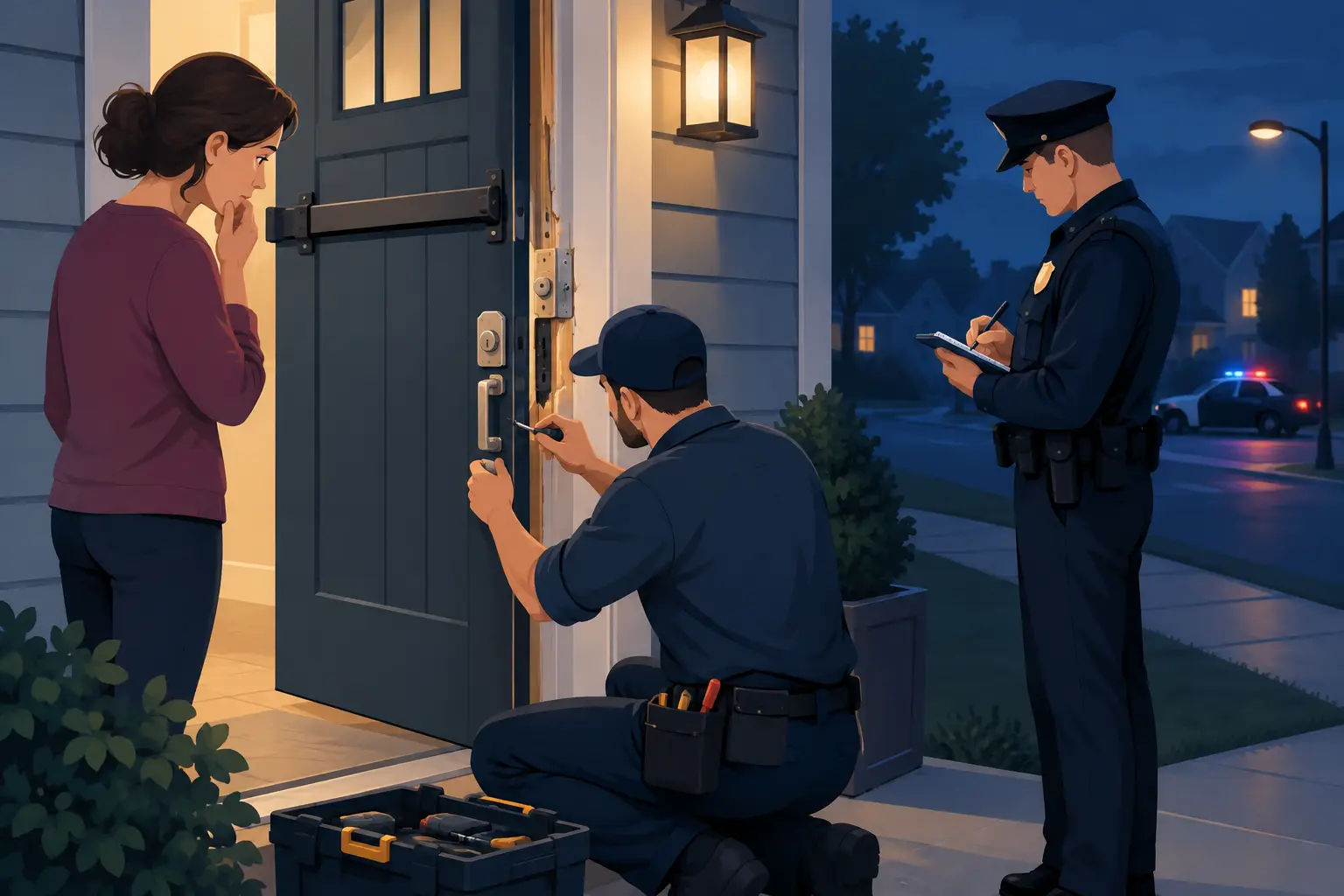
A burglar does not need to take much to leave a home feeling exposed. A kicked-in door, a damaged deadbolt, or even a lock that still appears to work can make it hard to relax once the police leave. Knowing how to secure doors after burglary starts with one priority: make the property safe for the next hour, not just the next week.
Do not assume the door is secure because it closes. Damage to the frame, strike plate, hinges, latch, or key cylinder may let the door fail under very little force. Secure the entry point, protect everyone inside, and then make lasting repairs that remove the weakness a burglar used.
Secure the Scene Before You Repair the Door
If the break-in may have just happened, leave the property and call 911 if there is any chance the intruder is still inside. Do not touch damaged locks, windows, or items the burglar may have handled until law enforcement has completed its work. Photos of the door, frame, lock, and any marks around the entry point can also help with a police report and insurance claim.
Once the scene is cleared, check every exterior door, not only the door that was forced open. Burglars may test several entrances, damage a rear door latch, or take a spare key from a hidden location. Confirm that windows close and lock, garage side doors are secured, and patio doors cannot slide open.
If you rent, notify your landlord or property manager immediately. Minnesota tenants should not be left with an unsecured exterior entrance while waiting for a routine maintenance request. If you own the home, contact your insurance provider after documenting the damage, but do not delay emergency security work while waiting for an adjuster.
Make the Door Safe Tonight
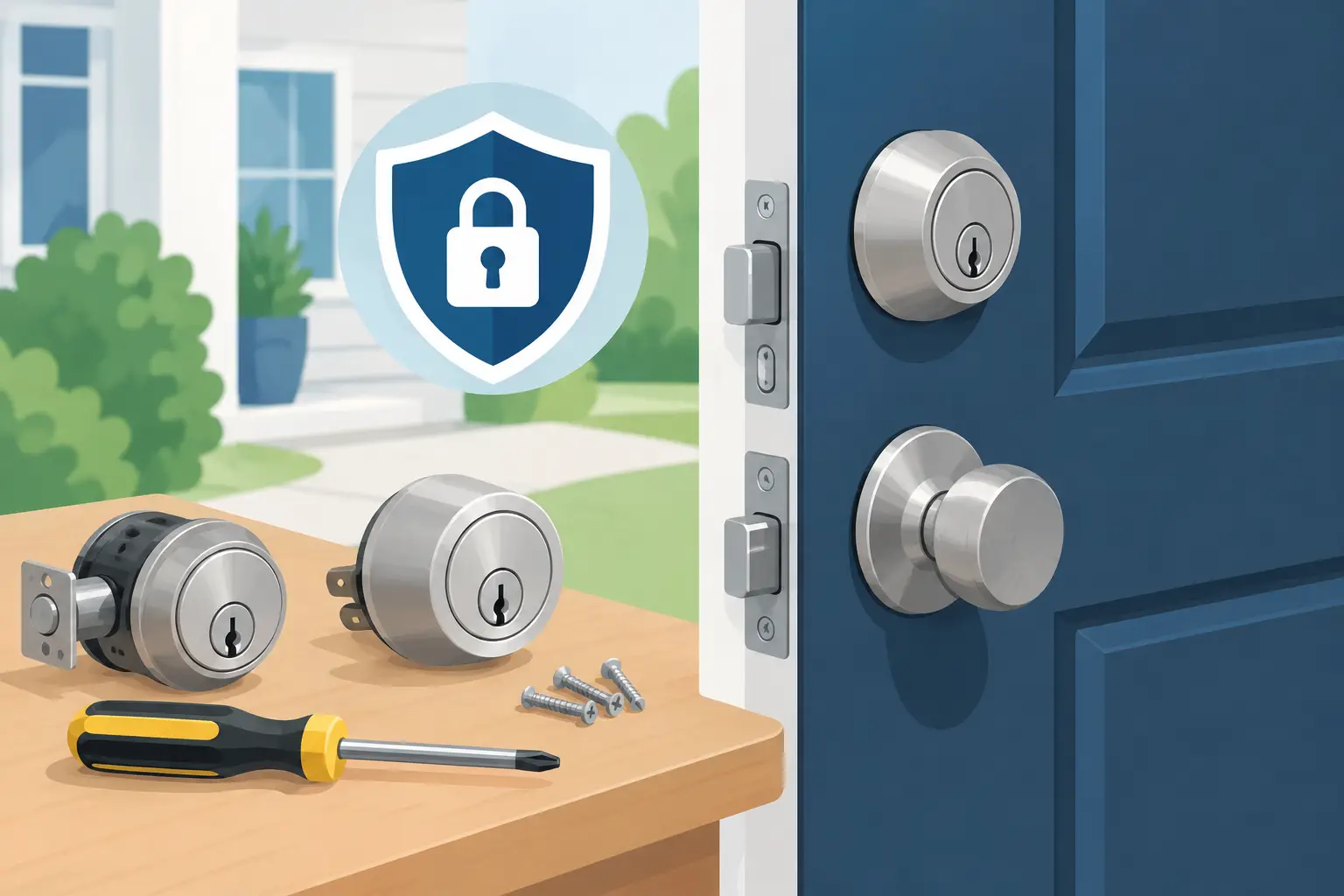
A door that will not latch, has a split frame, or has a loose lock needs immediate attention. A locksmith can often restore secure access the same day by replacing the damaged lock, repairing the strike area, or installing temporary hardware until a door or frame can be replaced.
Avoid relying on a chair, a rope, or a small household latch as your only overnight protection. These measures may help while you wait for help, but they are not a repair. They can also create an escape problem during a fire or medical emergency.
If the door slab is badly cracked, the frame is pulling away from the wall, or the hinges have been torn loose, a professional may need to board the opening temporarily and coordinate a door repair. The right solution depends on where the force occurred. Replacing a deadbolt alone will not secure a frame that has already split.
For Twin Cities homeowners, renters, and property managers facing a damaged entry after hours, a mobile 24/7 locksmith can assess the lock and secure the opening without requiring you to leave the property exposed overnight.
Replace or Rekey Every Compromised Lock
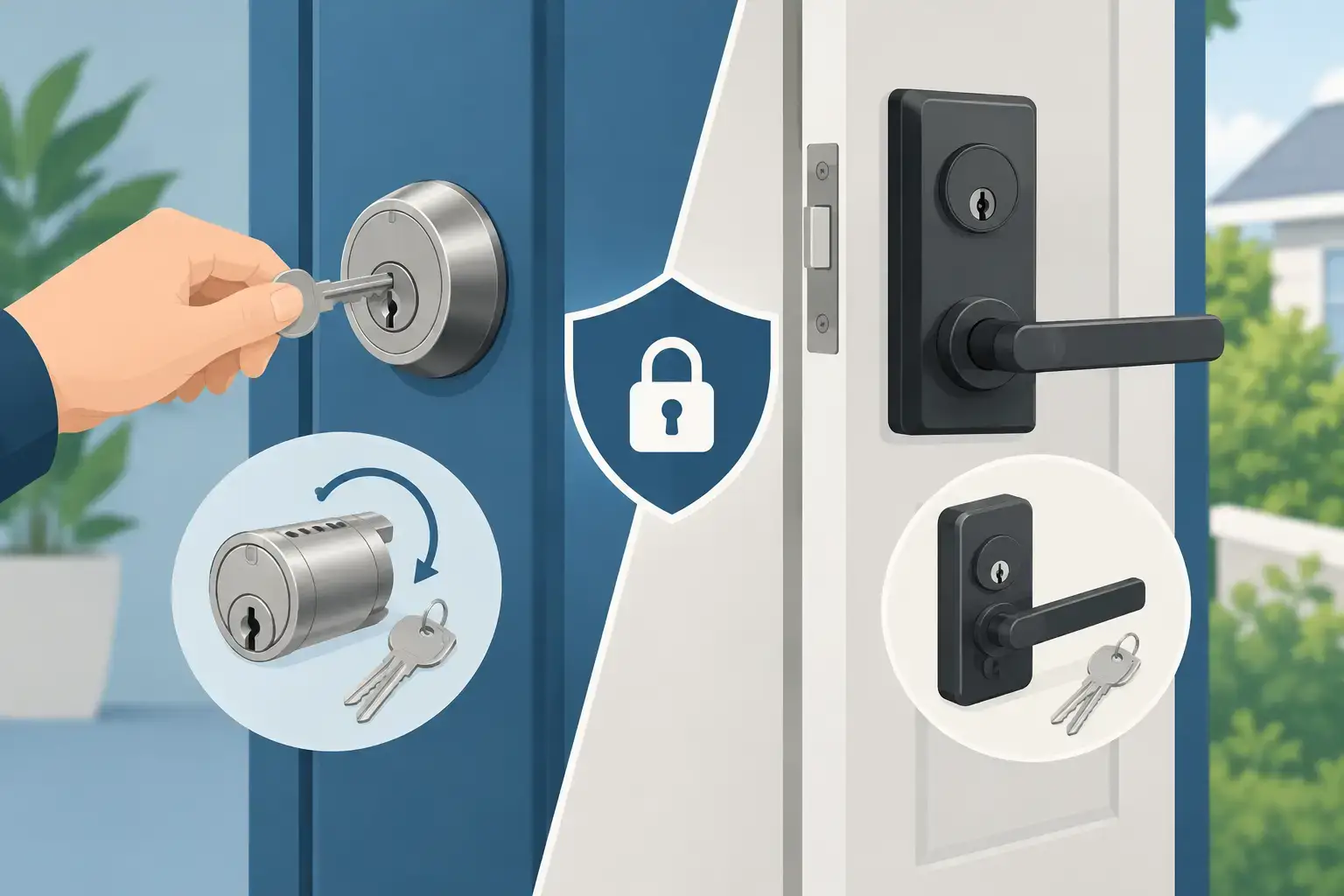
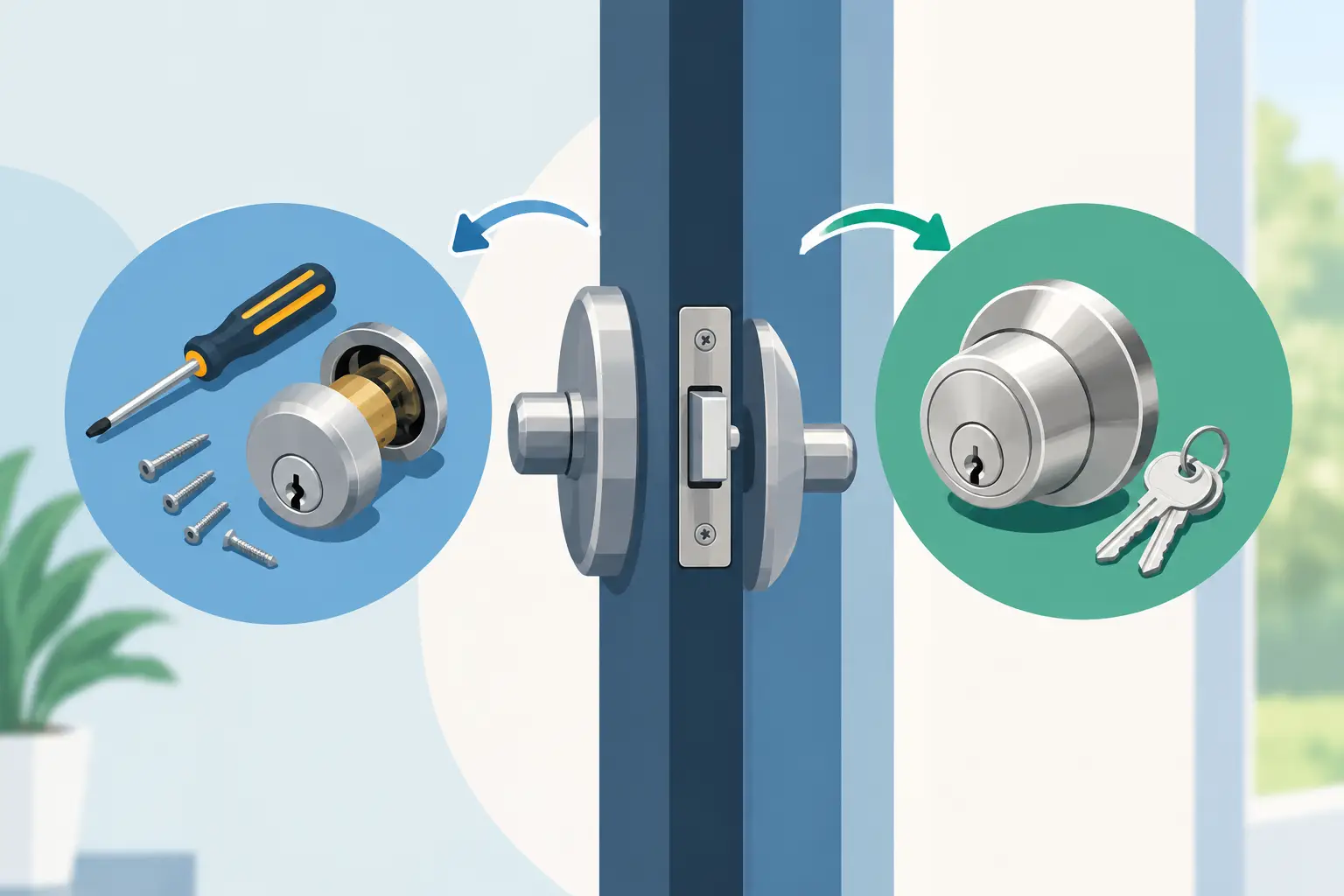
One of the biggest decisions after a break-in is whether to rekey or replace the locks. Rekeying changes the internal pins so old keys no longer work. It is often a smart, affordable choice when the lock is in good condition and you still want to use the existing hardware.
Replacement is usually the better choice when the lock was drilled, pried, bent, forced, or is already worn out. It also makes sense if the current lock is a basic model with a short bolt, weak cylinder, or hardware that does not fit the door correctly.
Do not limit rekeying to the damaged door if keys were stolen, lost during the burglary, or could have been copied. Rekey front, back, side, garage-entry, and storage-area doors that use the same key. A burglar who took a key may return days or weeks later, when the home appears calm again.
For a business, rekeying should include a review of employee, vendor, and former tenant access. A break-in is a good reason to reset control over who can enter. Depending on the property, a restricted keyway, commercial-grade deadbolt, or master-key system may offer better long-term control than issuing more copies of the same key.
Reinforce the Door Frame, Not Just the Lock
Most forced-entry damage happens where the deadbolt meets the frame. The lock may be strong, but a thin strike plate attached with short screws can pull out of a wood jamb when the door is kicked.
Ask for a heavy-duty strike plate that uses long screws driven into the wall framing, not only the trim. This spreads force over a larger area and gives the deadbolt a stronger anchor point. If the wood around the strike is cracked or soft, it should be repaired before new hardware is installed.
A solid deadbolt with a one-inch throw is a common residential standard, but the installation matters as much as the product. The bolt must extend fully into a reinforced strike, and the door must align correctly. A sagging door can keep a deadbolt from seating all the way, leaving a weak point that is easy to miss.
Hinges deserve attention too, especially on outward-swinging doors. Exposed hinge pins can create another entry risk. Security hinges or hinge bolts help keep the door in place if pins are removed. On inward-swinging doors, inspect hinge screws and replace short screws with longer ones that reach the framing where appropriate.
Choose a Better Lock Setup for the Door Type
There is no single best lock for every entrance. A front door may need a high-security deadbolt and reinforced strike, while a garage service door may need durable keyed hardware that stands up to frequent use. A patio slider needs a properly working factory lock plus a secondary anti-lift or track-blocking measure.
For exterior swing doors, look for quality deadbolts installed correctly and hardware designed for the door thickness and use. Avoid mixing unrelated parts just because they fit through the hole. A lock that binds, sticks, or fails to throw fully can become both a security problem and a lockout problem.
Smart locks can be useful after a burglary because they allow code changes without collecting physical keys from every household member. Still, they are not automatically more secure than a quality mechanical deadbolt. Choose a model with dependable mechanical hardware, protect the account with a strong unique password, and keep emergency key access or another approved backup plan.
If the burglary involved a damaged glass panel near the lock, consider the whole door design. A burglar may be able to break glass and reach the thumb turn. The answer may be reinforced glass, a different door style, or a lock configuration that meets local fire and building requirements. Do not install a double-cylinder deadbolt without understanding the emergency-exit trade-off and applicable code.
Remove Easy Access Around the Entry
Door security is stronger when the area around the door does not help an intruder work unseen. Replace any hidden spare key that may have been discovered. Better yet, avoid hiding one outdoors. Leave a spare with a trusted person or use a controlled keypad or smart-lock code.
Trim shrubs that block the view of doors and add lighting that covers front, side, and rear entrances. Motion lighting can be helpful, but it should not be the only deterrent. A camera or alarm system may add another layer of awareness, while secure locks and reinforced frames remain the physical barrier that prevents easy entry.
Check address visibility as well. First responders need to find the property quickly, especially if a break-in leads to an emergency call.
When to Call a Locksmith After a Break-In
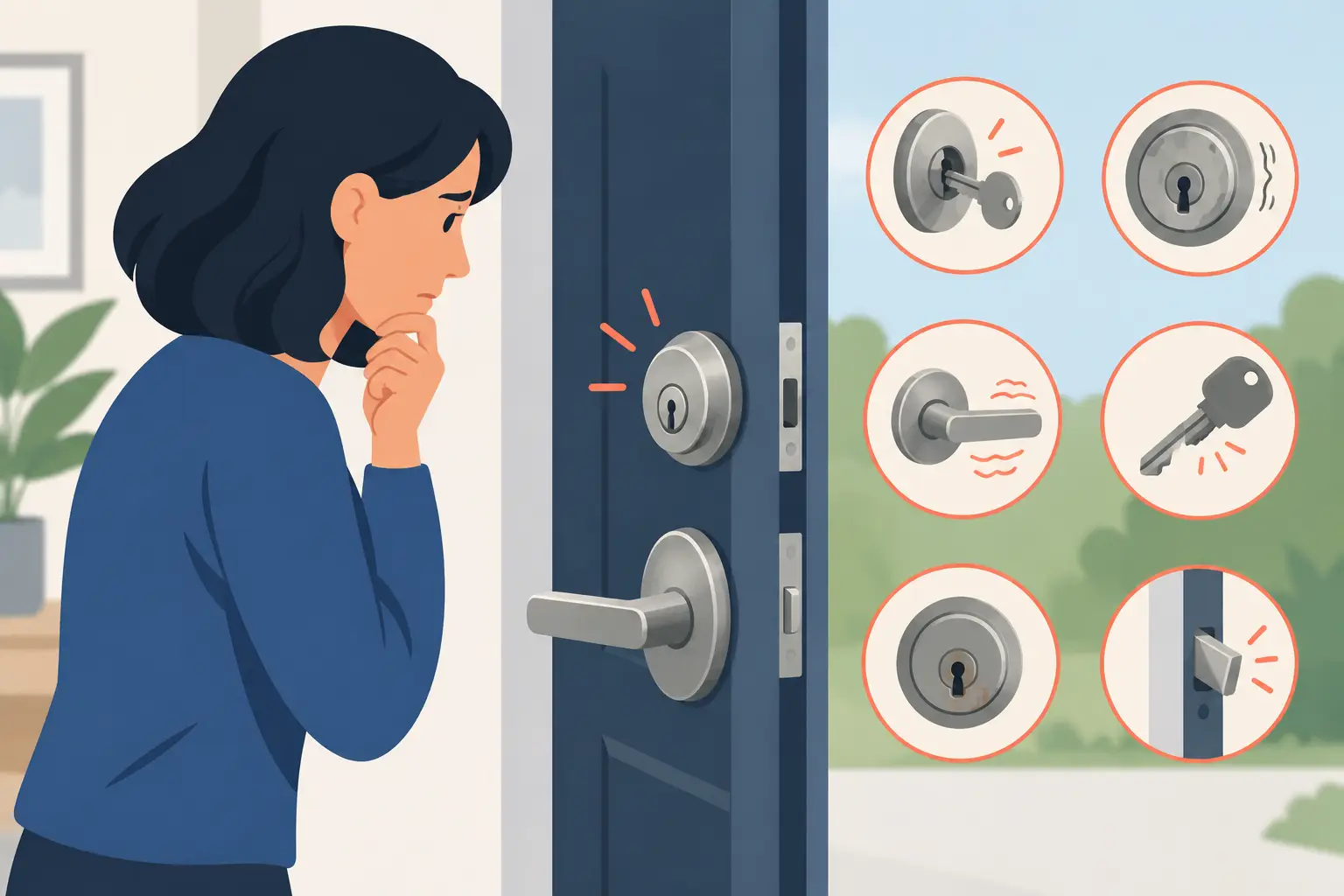
Call for immediate help when a lock will not secure, a key is broken in the cylinder, the door frame is cracked, keys are missing, or the property cannot be safely locked from the inside. A locksmith can identify whether the issue is limited to the lock or whether the door, frame, strike, hinges, and alignment all need work.
Free Eagle Locksmith provides mobile emergency service across Minneapolis, Saint Paul, Coon Rapids, and surrounding Twin Cities communities for lock replacement, rekeying, damaged-lock repair, high-security upgrades, and commercial access needs. A prepared technician can help restore a secure entry point without leaving you to guess which hardware will actually fit and protect the door.
After a burglary, acting quickly is not overreacting. It is the practical step that lets your household, tenants, or employees close the door with confidence again.