A front door can look secure and still be the weak point in a home. A loose strike plate, worn deadbolt, copied key, or damaged frame can give an intruder an easier opportunity than most homeowners realize. The best top residential security upgrades focus on the places where access is actually gained: doors, locks, keys, windows, garages, and poorly lit entry points.
For Twin Cities homeowners, security also has to stand up to real Minnesota conditions. Freezing temperatures, swollen or shifting door frames, worn hardware, and busy rental turnovers can all affect how well a lock performs. The goal is not to turn your home into a fortress. It is to make forced entry more difficult, limit who has access, and make sure your family can depend on every lock when it counts.
Start With the Locks You Already Have
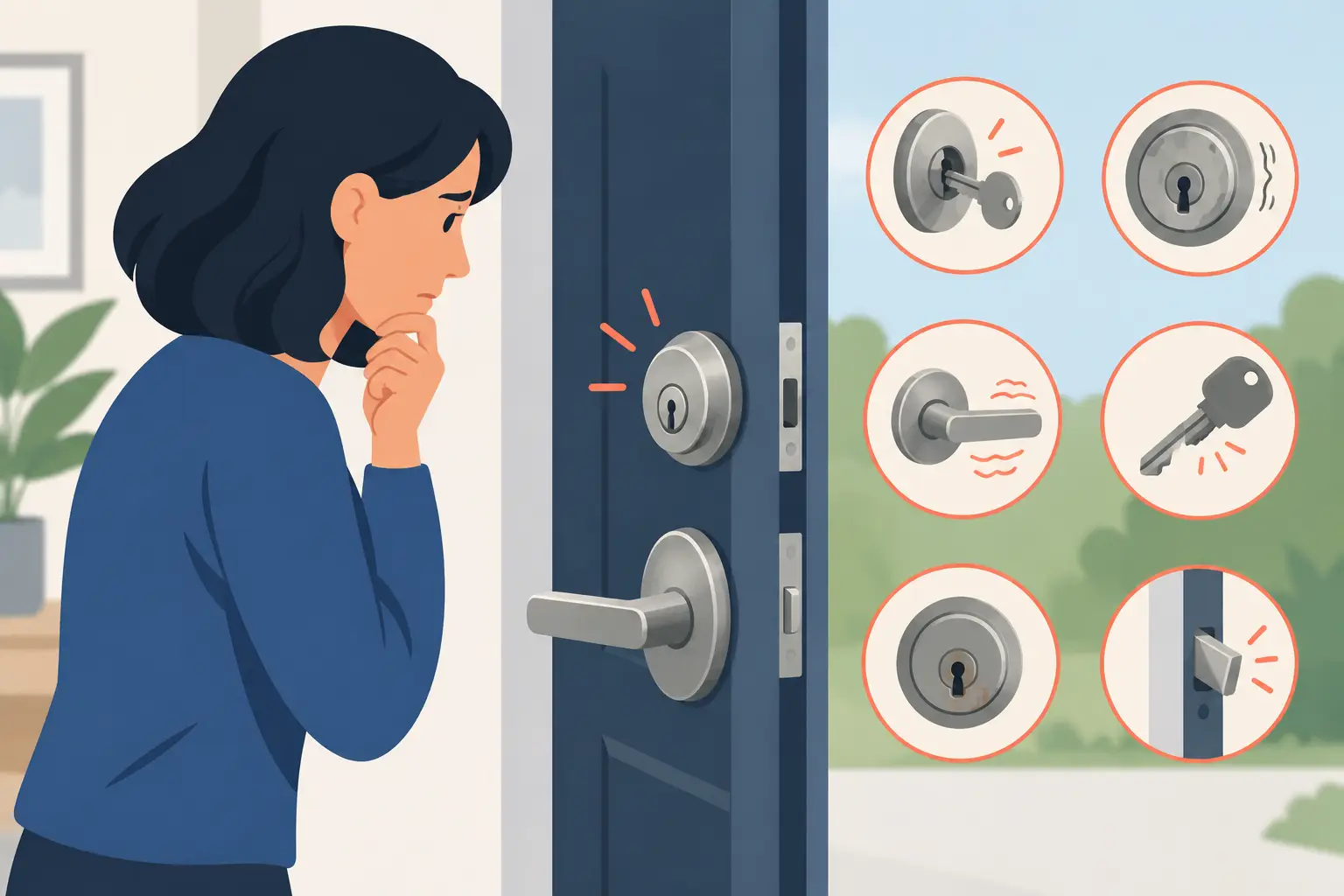
Before adding cameras or smart devices, look closely at the locks on every exterior door. A lock that sticks, spins, has a loose cylinder, or no longer lines up correctly with the strike plate is not providing the protection it should. Many older homes still have basic knob locks or lightweight deadbolts that were installed years ago and have never been evaluated.
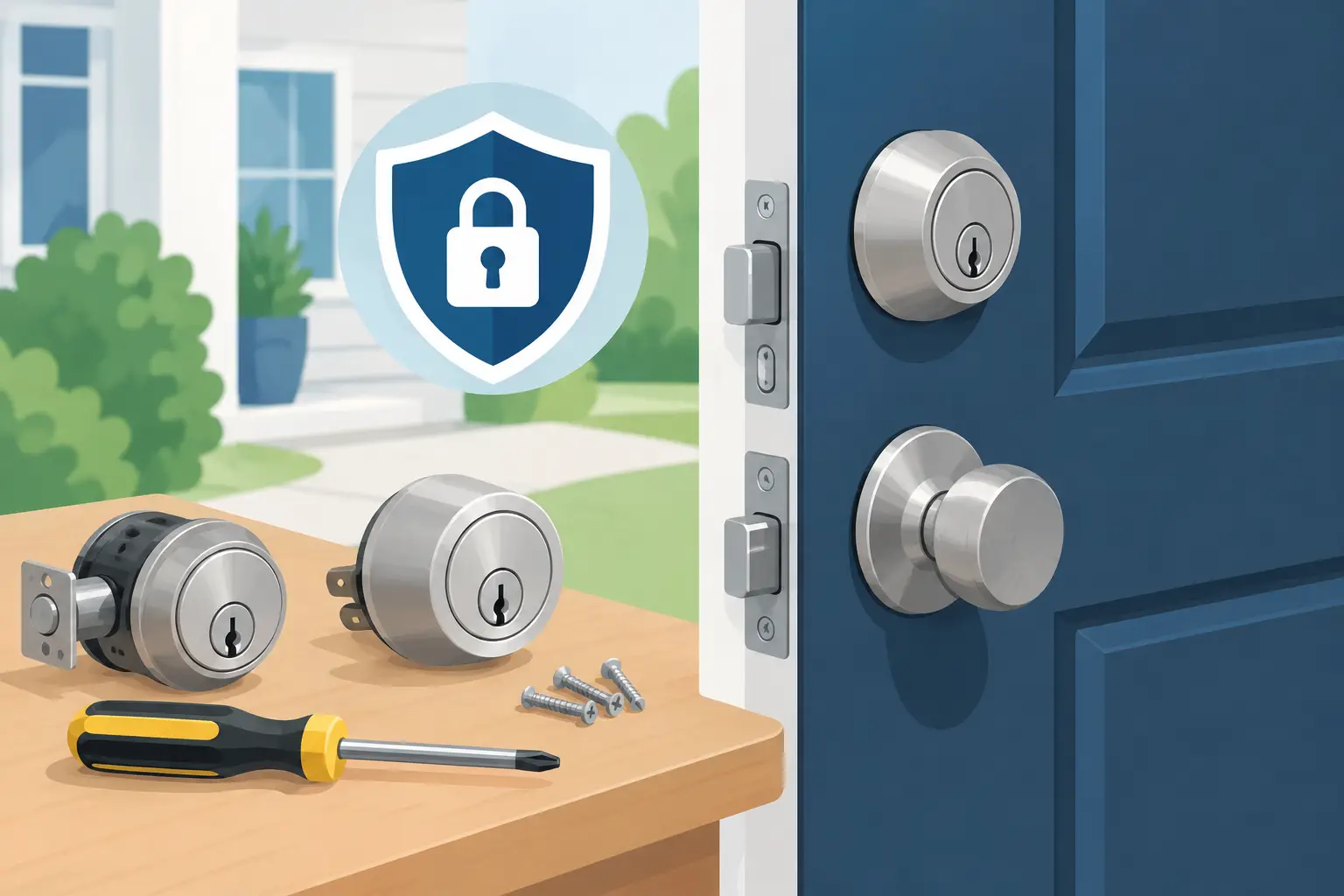
A quality deadbolt is one of the most practical upgrades for a front, back, or side entry door. The deadbolt should extend firmly into the frame, and the strike plate should be secured with long screws that reach the wall framing, not just the thin trim around the door. That detail matters because a strong lock is only as effective as the hardware holding the door closed.
Door alignment is equally important. If you have to lift, pull, or slam the door to lock it, the latch and bolt may not be engaging properly. Seasonal movement and weather can cause this problem, especially in Minnesota. Repairing the door, reinforcing the frame, or adjusting the strike plate can restore both smooth operation and real security.
Top Residential Security Upgrades That Matter Most
Not every home needs the same level of protection. A single-family house with a detached garage has different risks than a condo, a rental property, or a home where several people need regular access. Still, a few upgrades consistently deliver meaningful results.
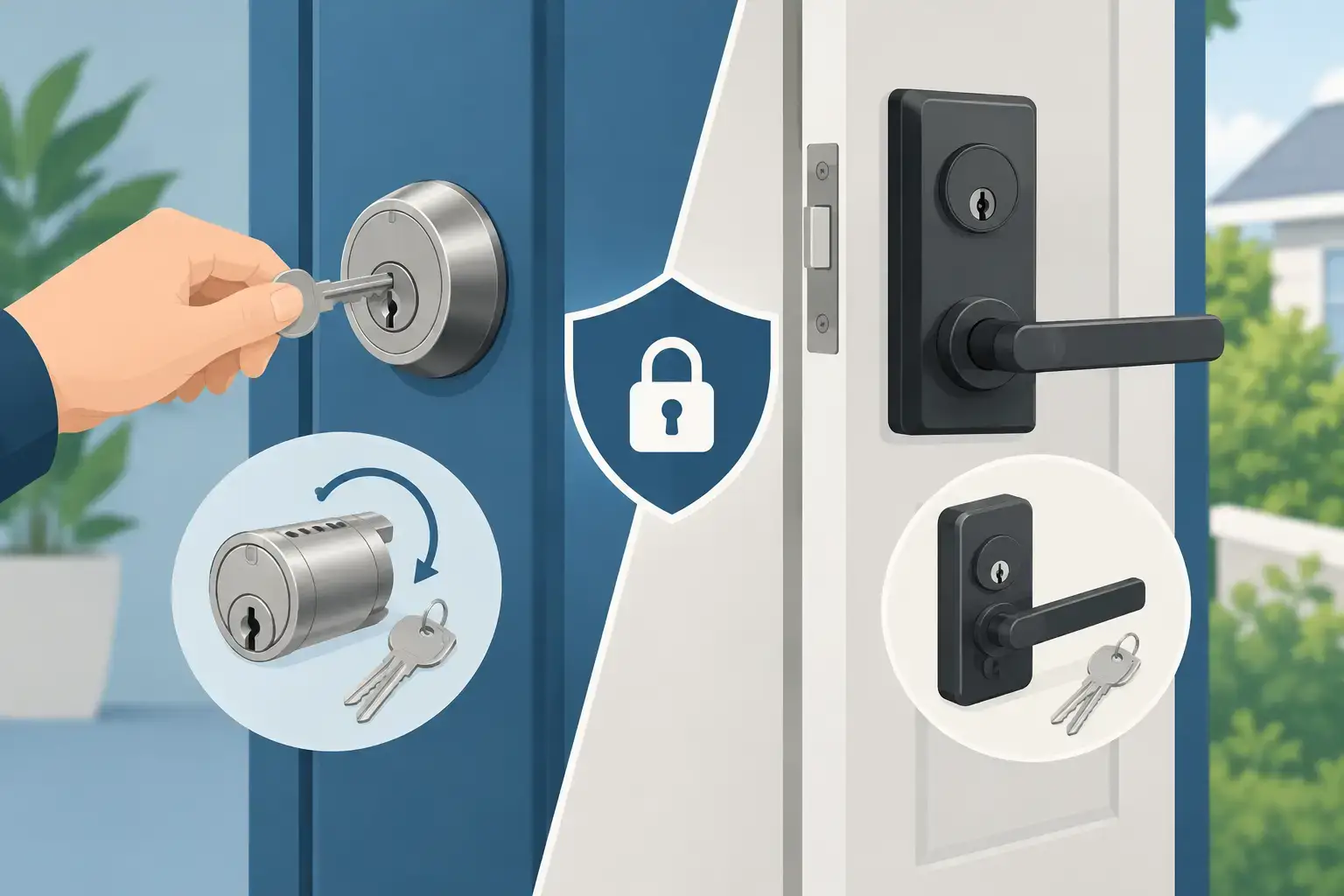
Upgrade to High-Security Deadbolts
High-security locks are built to resist common forms of forced entry and unauthorized key duplication better than standard hardware. Depending on the lock type, they may offer stronger internal components, restricted keyways, drill resistance, or added protection against picking and bumping.
This upgrade is especially useful after a break-in, for homes with visible or secluded entry doors, and for homeowners who are concerned about how many old keys may still be in circulation. High-security hardware costs more than a basic deadbolt, but it can be a smart investment when the entry point protects your family, valuables, and peace of mind.
Rekey After a Move, Lost Key, or Tenant Change
Rekeying is one of the most overlooked security improvements because the lock may appear to work perfectly. But if you just bought a house, moved into a rental, lost a key, had work crews in and out, or ended a roommate arrangement, you do not know who could still have access.
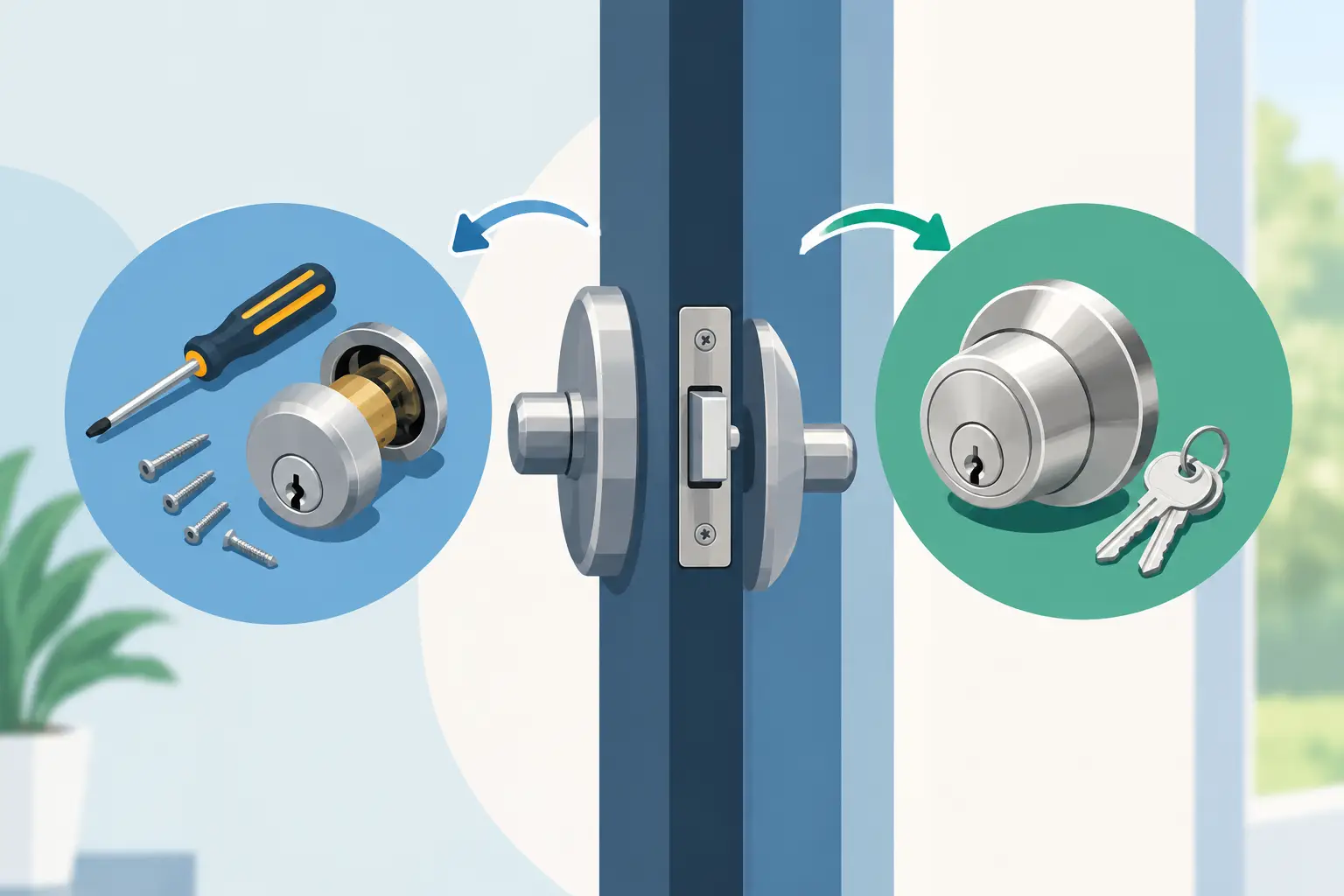
Rekeying changes the internal configuration of an existing compatible lock so old keys no longer work. It is often more affordable than replacing every lock, and it gives you immediate control over who can enter. If locks are worn, damaged, or mismatched, replacement may make more sense. A locksmith can help determine which option gives you better value.
Add Smart Locks Where They Make Sense
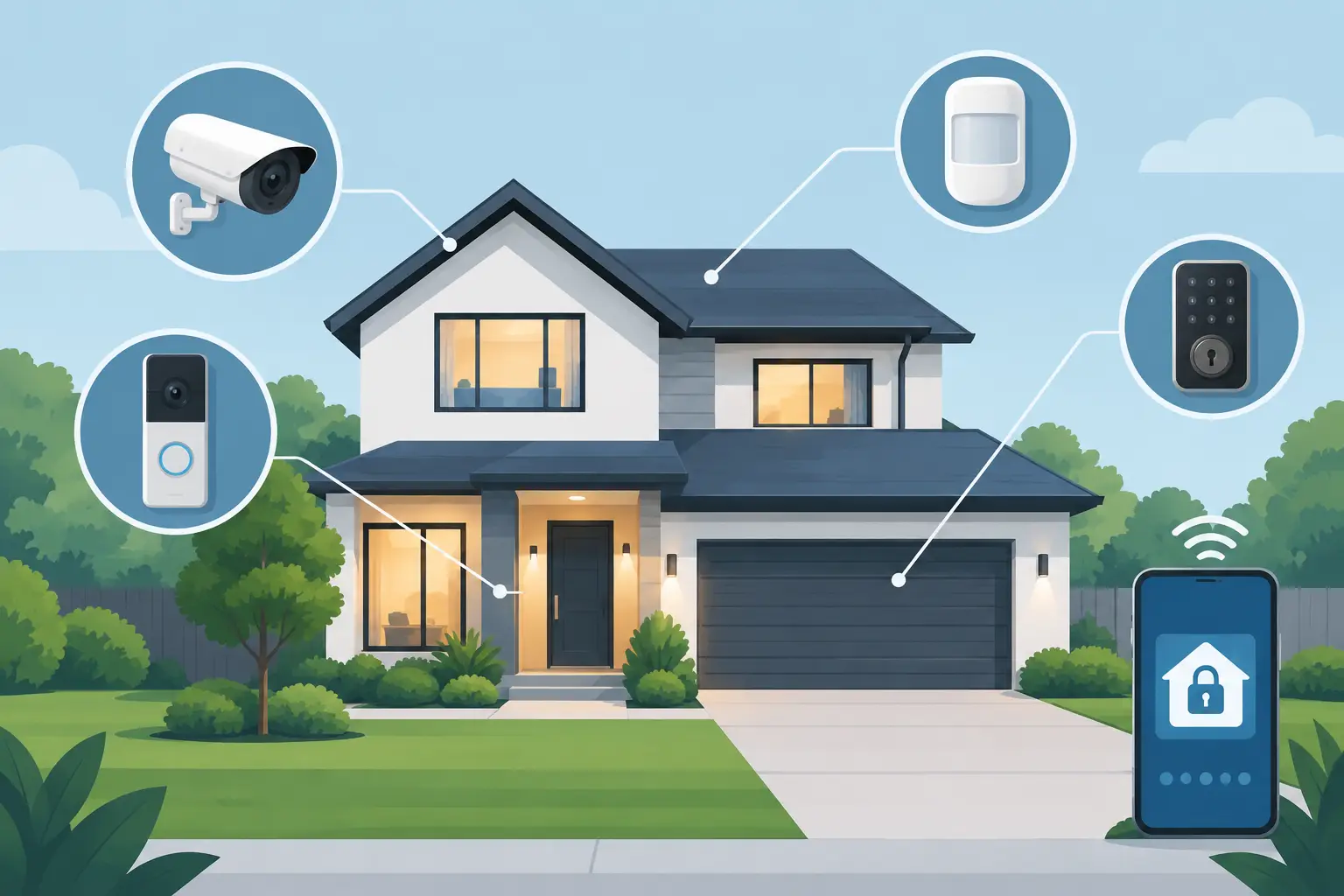
Smart locks can be a convenient upgrade for busy households. Instead of hiding a spare key outside, you can use a keypad code, mobile access, or temporary entry codes for family members, dog walkers, cleaners, or guests. When someone no longer needs access, their code can be removed instead of collecting a key that may never be returned.
The trade-off is that smart locks require proper installation, battery maintenance, and a reliable understanding of their backup entry method. Not every smart lock fits every door, and a poorly installed device can create alignment problems or leave the door less secure. For many homeowners, a smart lock on the main entry paired with a quality mechanical deadbolt at another entrance is a practical balance.
Reinforce Doors and Frames
A heavy-duty deadbolt cannot compensate for a hollow door, weak jamb, loose hinges, or a split frame. Reinforcement hardware improves the area around the lock and hinges so the door is better able to resist force. This is often one of the highest-value upgrades for older doors.
Pay attention to outward-swinging doors, basement entrances, garage service doors, and side doors hidden from street view. These areas may receive less attention than the front door, yet they can be more attractive targets because they offer privacy. Replacing damaged weatherstripping, repairing rot, and securing loose trim are security steps as well as maintenance tasks.
Secure Sliding Doors and Windows
Sliding patio doors need more than the factory latch. A secondary bar or pin can help prevent the door from being forced open or lifted from its track. The lock should engage fully, and the track should be clean enough for the door to close without resistance.
Windows should also lock securely, particularly ground-floor windows, basement windows, and windows near doors. Window security is not about permanently blocking an emergency exit. It is about using appropriate locks or stops while making sure household members understand how to exit safely in an emergency. Homes with young children may need a different setup than homes with no children, so the solution should fit the household.
Improve Visibility Around Entry Points
Good exterior lighting does not replace good locks, but it removes the cover that intruders prefer. Motion-activated lighting near front doors, back doors, garages, side yards, and walkways helps residents arrive safely and makes suspicious activity easier to notice.
Keep shrubs and trees trimmed away from windows and entrances where possible. Overgrown landscaping can hide someone near a door or give a burglar time to work unnoticed. If you use security cameras, place them to cover access routes and entry doors rather than pointing only at the street. The most useful camera footage is clear, well-lit, and aimed at the point where someone approaches or attempts entry.
Do Not Forget the Garage and Interior Access Door
The garage is often treated as storage space, but it can provide a direct path into the home. Keep the overhead garage door secured, avoid leaving remotes in parked vehicles outside, and make sure the door between the garage and house has a reliable lock.
If the interior garage door has a basic privacy lock or no lock at all, consider whether a deadbolt or upgraded lockset is appropriate. This depends on your household’s daily routine and emergency-exit needs. The key is to treat that door as an exterior security boundary, because once someone gets into the garage, it may be their next target.
Build a Key Plan That Works for Your Household
Security upgrades can fail when key control is ignored. Avoid hiding keys under mats, rocks, planters, or fake utility boxes. Those places are familiar to burglars and can be checked in seconds.
Instead, decide who needs a key, where emergency access should be managed, and what happens when a key is lost. A locked key box may work for some households, while keypad access or a trusted nearby family member may work better for others. If multiple exterior locks use different keys, consider having them keyed alike when compatible. Fewer keys can make daily life easier without sacrificing security.
For rental owners and property managers, rekeying between occupants should be standard practice. It reduces uncertainty, simplifies access control, and gives new residents confidence from move-in day.
When to Call a Locksmith for a Security Upgrade
Call for professional help when a lock is damaged, a key broke inside, the door no longer closes correctly, you have experienced a break-in, or you are unsure whether existing hardware is worth keeping. A security assessment can identify weak spots that are easy to miss, including poor strike-plate installation, worn cylinders, mismatched keys, and doors that do not fully latch.
Free Eagle Locksmith provides mobile residential lock service throughout the Twin Cities, including lock repair, rekeying, high-security lock upgrades, and post-break-in replacement. A prepared technician can help you choose practical improvements without selling you hardware your home does not need.
The right upgrade is the one that gives you dependable protection every time you leave, return, or turn in for the night. Start with the door you use most, fix what is weak, and build outward from there.