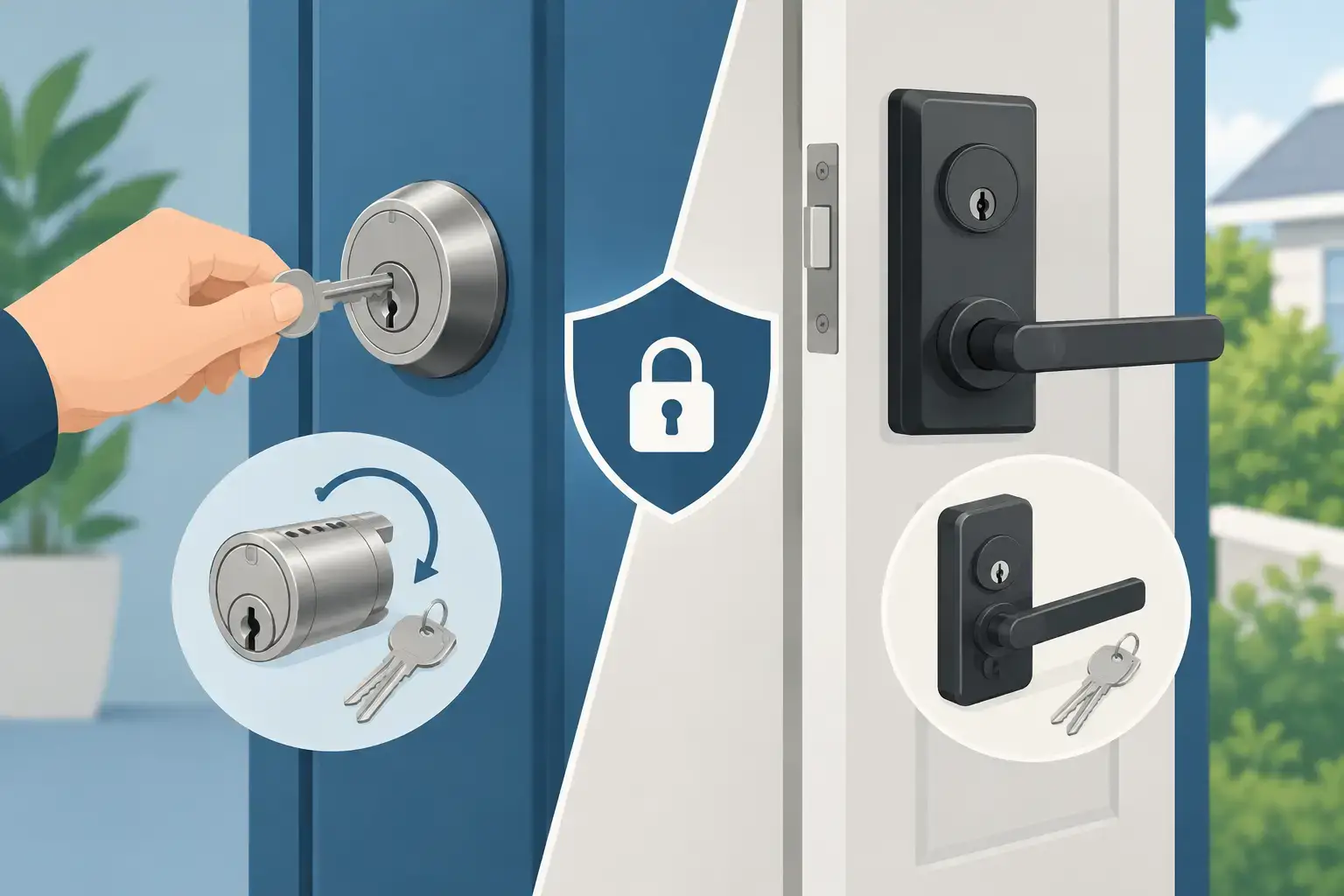

A front door lock that sticks at 10 p.m. is more than an annoyance. It can leave your family exposed, keep you from getting inside, or turn a normal workday into a security problem. Professional lock repair restores safe, reliable access when the hardware is damaged, worn, misaligned, or no longer working as it should.
The right answer is not always a full replacement. Some problems can be corrected quickly by repairing the cylinder, latch, strike plate, or internal components. Other issues signal that the lock no longer provides the protection your home, vehicle, or business needs. Knowing the difference can save time, avoid repeat problems, and help you act before a lock fails completely.
Signs Your Lock Needs Repair
Locks rarely stop working without warning. A key may begin catching in the keyway, the deadbolt may take extra force to turn, or a door may need to be pushed or pulled before it locks. These are signs that deserve attention, especially on exterior doors and commercial entry points.
A lock can also be damaged by a forced entry attempt, a broken key, harsh weather, age, or an incorrectly installed door. In the Twin Cities, seasonal temperature changes can make existing alignment issues much more noticeable. Wood doors can shift, metal components can contract, and a lock that was already worn may become difficult to operate.
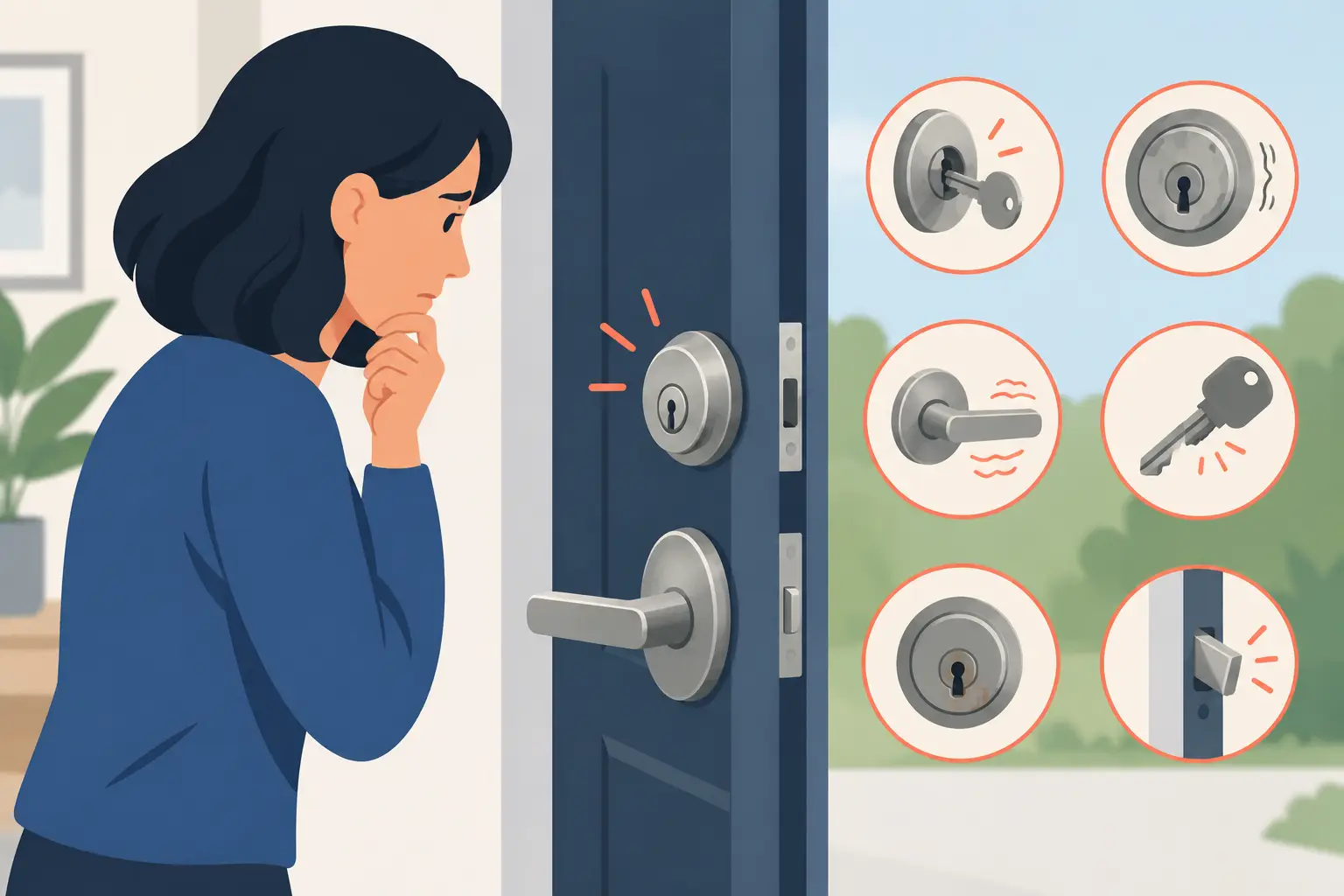
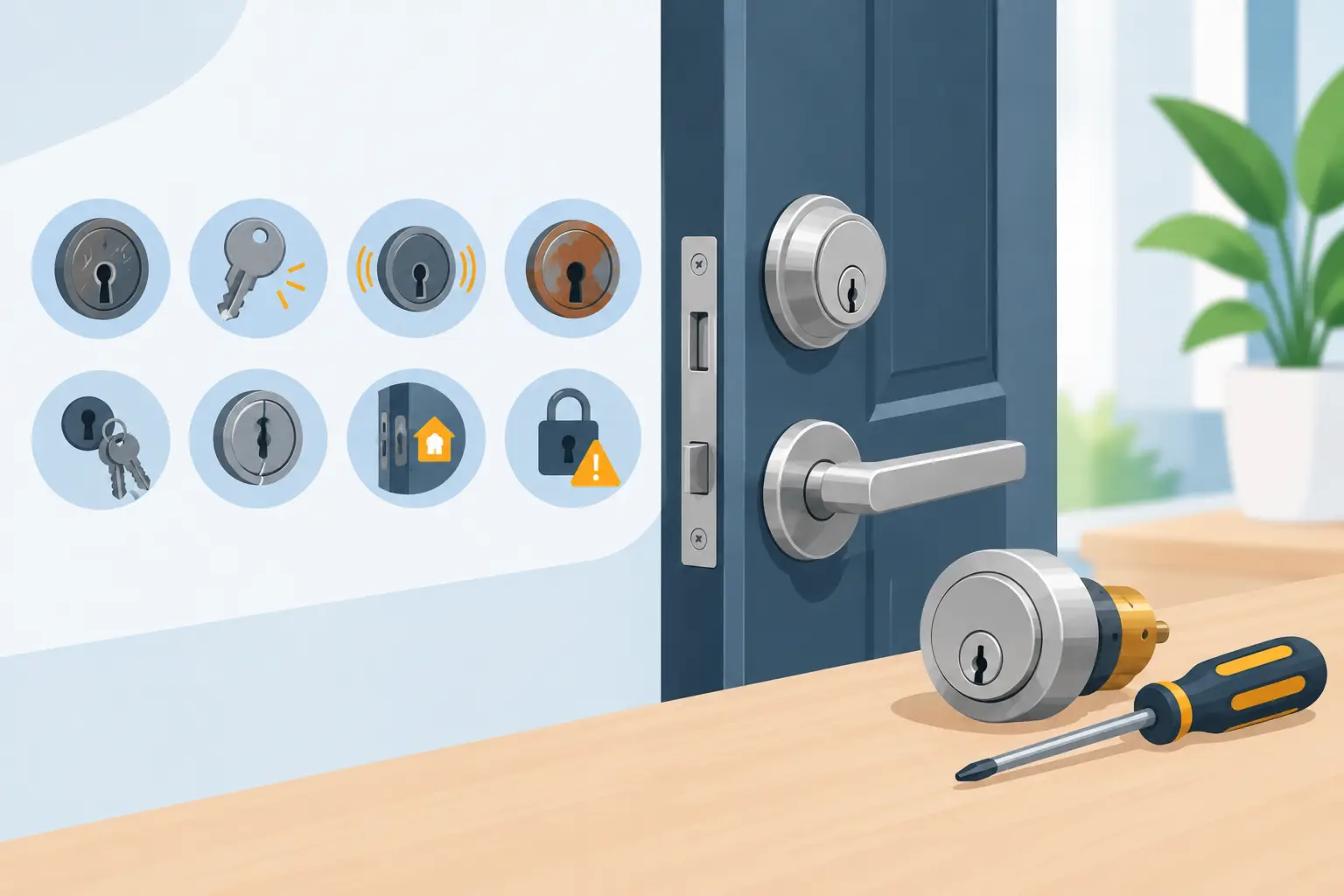
Call for service if you notice four common warning signs:
- The key turns but the lock does not engage or release.
- The deadbolt, latch, or knob sticks, grinds, or requires force.
- A key has broken off inside the lock or bends during normal use.
- The lock is loose, damaged, visibly tampered with, or no longer lines up with the door frame.
Do not keep forcing a stubborn key. A little extra pressure can snap the key in the cylinder, damage internal pins, or leave you locked out at the worst possible time.
What a Locksmith Can Repair
Many lock problems come from one failed part rather than a completely failed lock. A trained locksmith can inspect the hardware, identify the cause, and determine whether a repair will provide dependable security.
Misaligned Doors and Strike Plates
When a deadbolt will not slide into the frame smoothly, the issue may be the strike plate rather than the lock itself. A shifted door frame, sagging hinges, loose screws, or seasonal movement can put the bolt out of alignment. Repair may involve repositioning the strike plate, reinforcing the frame, adjusting hinges, or correcting the lock installation.
This matters because forcing a misaligned deadbolt can wear down the lock quickly. It can also create a false sense of security if the bolt is not fully seated in the frame.
Worn Cylinders and Internal Parts
The cylinder is the part of the lock that reads your key. Over time, internal pins, springs, and other small components can wear out or become damaged. A locksmith may be able to repair or replace the cylinder while keeping the rest of the existing lock hardware in place.
This is often a practical option when the lock body is in good condition and you want to keep the same style of hardware. It depends on the lock brand, the severity of the damage, and whether replacement components are available.
Broken Keys and Jammed Keyways
A broken key does not automatically mean the lock needs replacement. In many cases, a locksmith can extract the broken piece without harming the cylinder, cut a new key, and test the lock for hidden damage.
Keys can also stop working because dirt, debris, worn cuts, or a damaged keyway prevents them from moving properly. The right repair is more precise than spraying a household lubricant into the lock. Some products can collect grit or interfere with internal parts over time. A locksmith can clean, inspect, and service the mechanism using materials appropriate for the lock.
Damaged Latches, Knobs, and Deadbolts
A loose knob, drooping handle, or latch that does not retract can result from worn springs, stripped mounting screws, or damaged internal hardware. Depending on the design, repairing the assembly may be faster and more affordable than replacing it.
For commercial doors, a failing lever, panic bar, door closer, or high-traffic entry lock needs prompt attention. Delayed repairs can disrupt employee access, create a tenant complaint, or leave a business unable to secure the building after closing.
When Lock Replacement Is the Better Choice
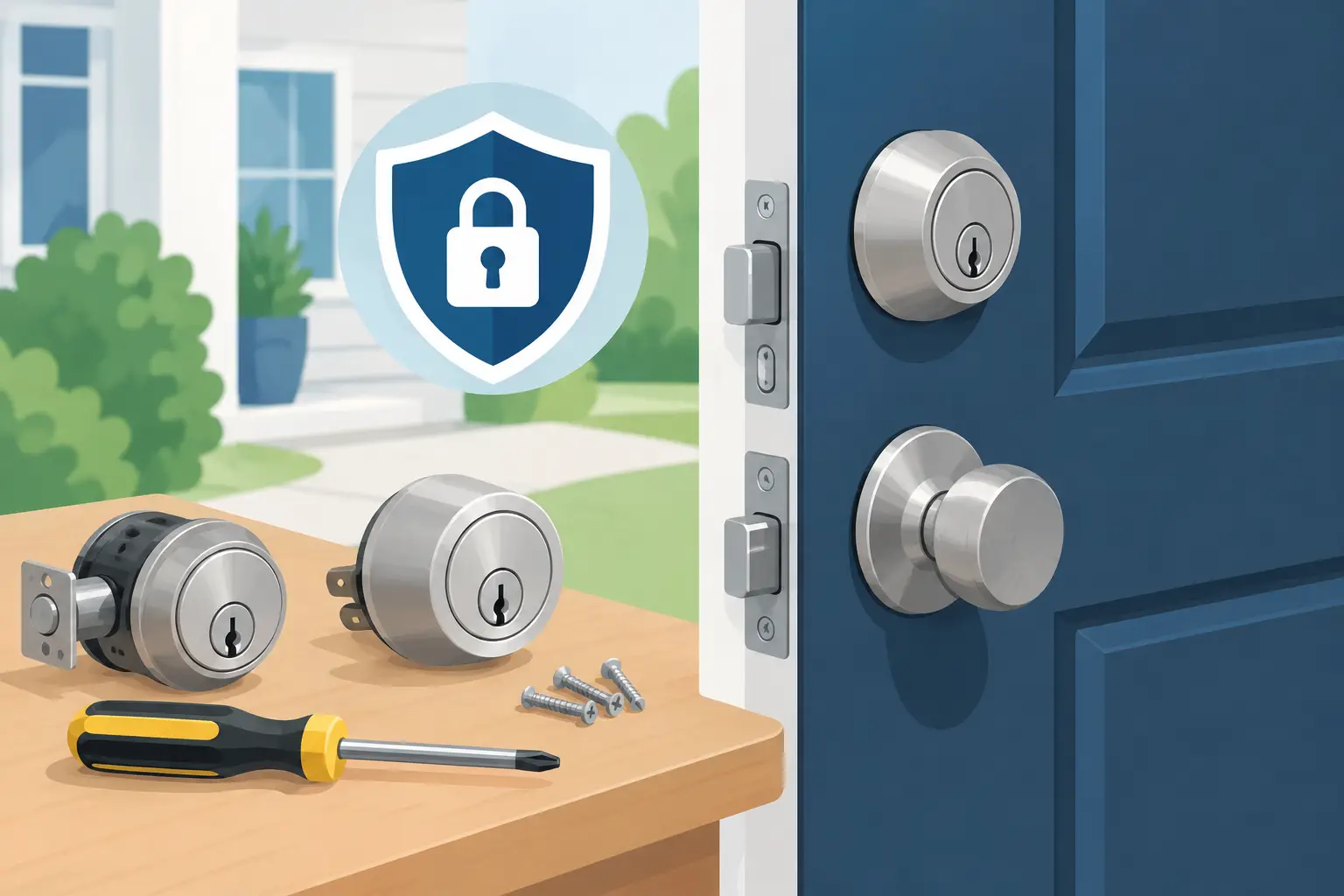
Repair is worthwhile when it restores reliable operation and security. Replacement becomes the better investment when the lock is heavily damaged, repeatedly failing, outdated, or not strong enough for the door it protects.
After a break-in or attempted break-in, replacement is often the safest choice. Even if the lock still turns, internal damage or a weakened door frame can make the entry easier to compromise again. A locksmith should inspect both the lock and the area around the strike plate, since a strong deadbolt is only as useful as the frame holding it.
Replacement also makes sense after lost or stolen keys, particularly when those keys could be connected to your address or business. Rekeying may be enough if the existing hardware is secure and in good condition. If the lock is worn, low quality, or damaged, upgrading at the same time can prevent another service call later.
For homes, a quality deadbolt and correctly reinforced strike plate can make a meaningful difference at exterior doors. For offices, retail locations, apartment buildings, and other commercial properties, high-security locks or a master-key system may offer better control over who has access and when.
Repair, Rekeying, and Replacement Are Different Services
These terms are often used together, but they solve different problems. Understanding the distinction helps you ask for the service you actually need.
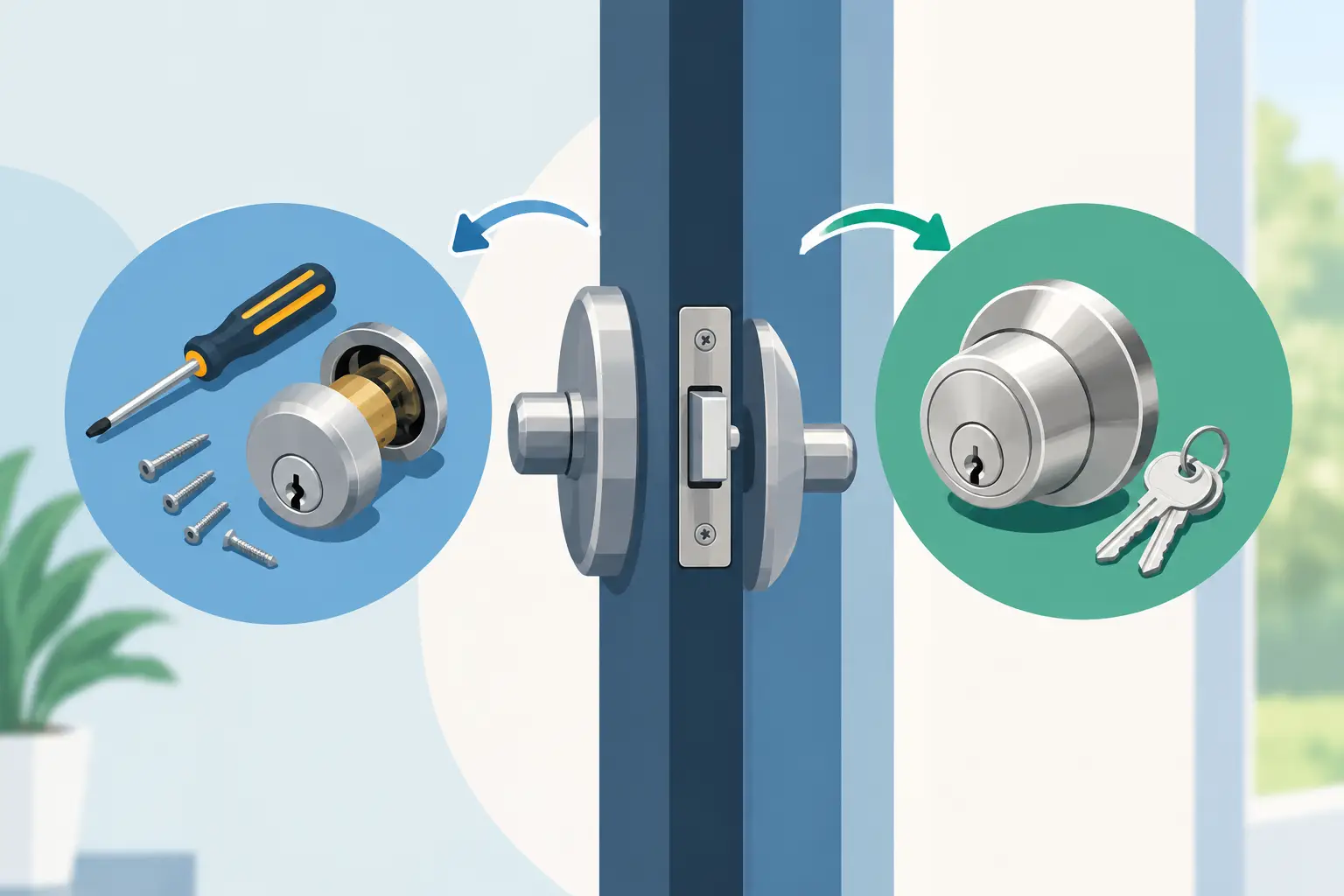
Lock repair fixes a mechanical issue. That could mean correcting alignment, extracting a broken key, servicing a cylinder, or repairing a latch. Rekeying changes the internal pin setup so old keys no longer work, while allowing the current lock hardware to remain on the door. Replacement removes the old lock and installs new hardware.
A homeowner who has just moved into a house may not need lock repair at all. Rekeying is usually the practical first step if the locks work properly but there is uncertainty about who has copies of the keys. A property owner dealing with a damaged deadbolt after an attempted break-in may need repair, replacement, door-frame reinforcement, or a combination of all three.
The same approach applies to vehicles. A car key that will not turn could be caused by a worn key, a damaged ignition cylinder, or a steering wheel lock under pressure. The correct solution depends on the vehicle and the exact failure. Trying to force the ignition can increase the damage and cost.
Why Fast Service Matters During a Lock Problem
Some lock issues can wait for a scheduled visit. A sticky interior bedroom lock is inconvenient, but a malfunctioning front-door deadbolt, office entry lock, or vehicle key problem may need help right away. If you cannot secure the property, cannot get in, or are stranded outside your car, waiting can create a larger safety concern.
Free Eagle Locksmith provides mobile, 24/7 service across Minneapolis, Saint Paul, Coon Rapids, and surrounding Twin Cities communities. A prepared technician can come directly to a home, business, parking lot, or roadside location to assess the lock, restore access, and explain the most practical repair or replacement option. The goal is not to sell hardware you do not need. It is to get the lock working properly and make sure the property can be secured.
If you are locked out, avoid prying a door, breaking a window, or using improvised tools on the lock. Those attempts often cause more expensive damage to the door, weather stripping, frame, or vehicle. Professional entry methods are designed to protect the property whenever possible.
Keep Small Problems From Becoming Emergency Calls
A lock should turn smoothly, latch fully, and feel solid when you use it. If it starts sticking, becoming loose, or requiring repeated attempts, arrange service before it fails during a late-night arrival, a winter storm, or a busy opening shift.
Check that exterior-door screws are tight, keep keys free of visible bends and cracks, and use the correct key rather than forcing a similar one into the lock. Most importantly, treat a lock problem as a security issue, not just a hardware inconvenience. Quick attention can restore access today and help protect what matters behind the door tomorrow.